|
Altemus and Company first published
photographic albums in 1862. During the next thirty
years it published numerous elegant albums in many
different styles. Although many albums from this time
period can be easily identified as Altemus productions
since they have the Altemus and Company imprint, a
number of their albums had no imprint. These albums
tend to blend in with the albums of the numerous other
photographic album publishers.
In 1862 two Altemus ads appeared in the American
Publisher's Circular and Literary Gazette. The earlier
ad in March and April revealed a number of different
album styles. The variety was quite extensive.
Beginning in May, 1862 a new ad appeared. At this time
34 basic albums were described in addition to 5
"pocket size" albums. Of great interest is that the
albums could be obtained in velvet as well as the
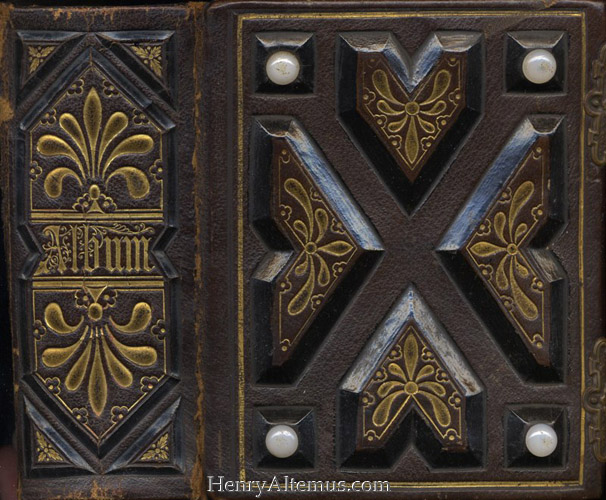
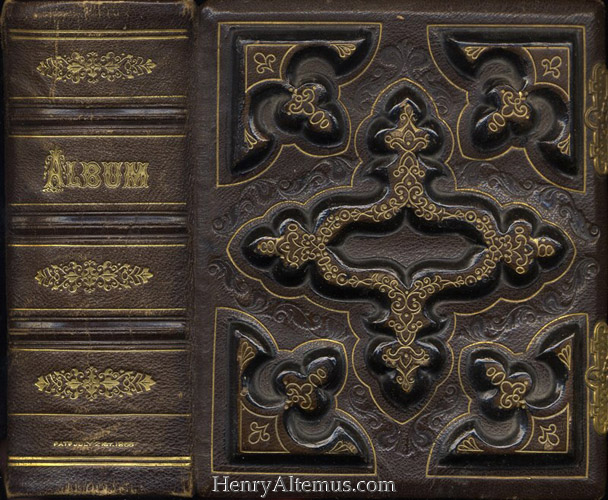
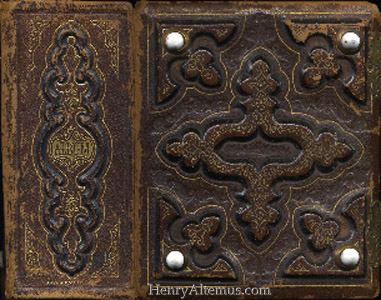
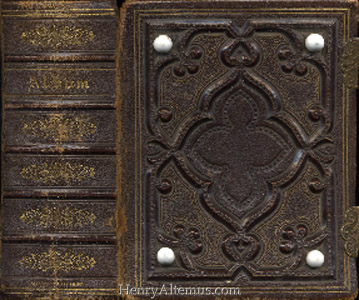
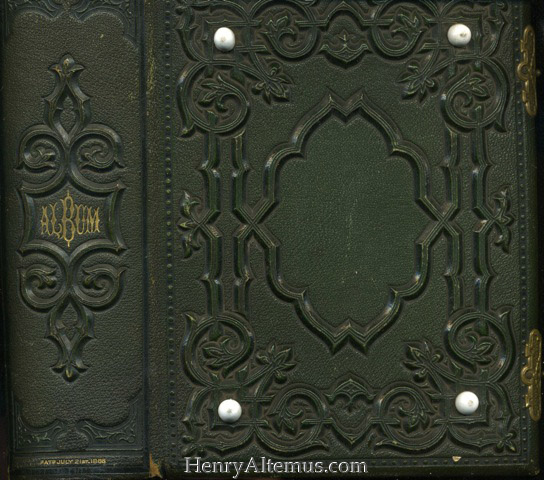
various leather designs. Here are three examples of
the earliest photographic albums:
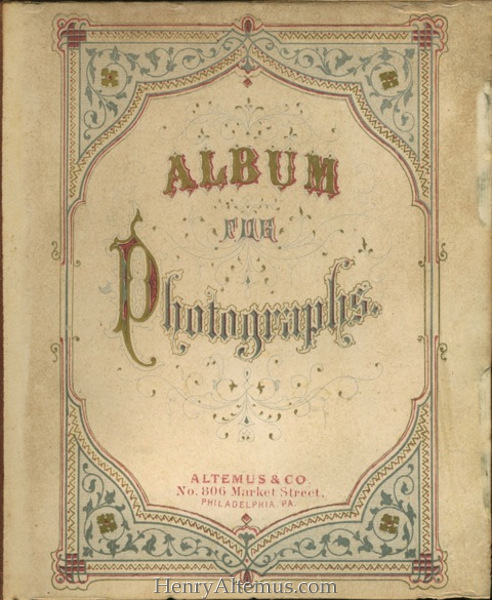
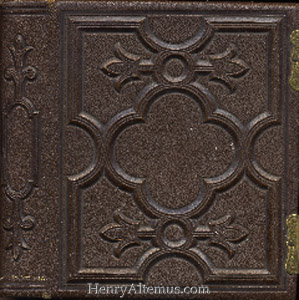
Some of the pre-1863 albums have a very similar look
as the "post 1863 new patent hinged back design". Here
is a 25 leaf, one photo per side, 6.25" x 5.5"
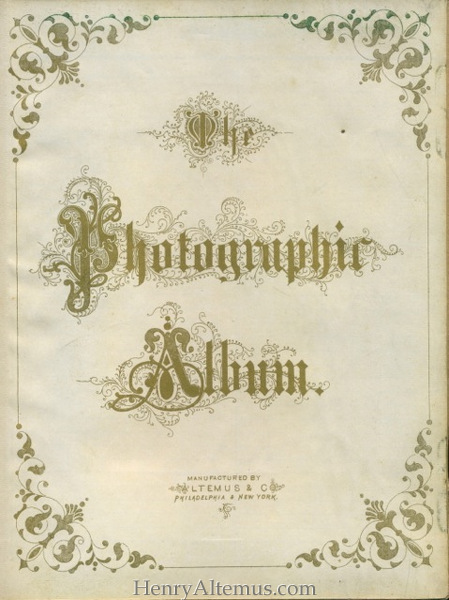
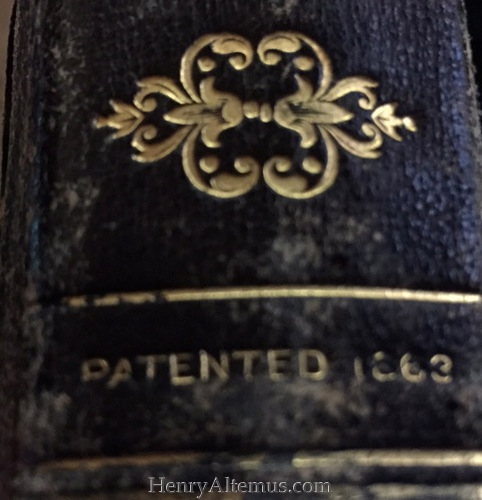
photographic album. Notice that neither the spine nor
the title page mention the 1863 patent. All the albums
post-1863 did note the patent somewhere in or on the
album.
In 1863 Henry and Samuel Altemus became the assignees
of a patent of John Mets. This patent gave Altemus the
right to use the special hinged back design for their
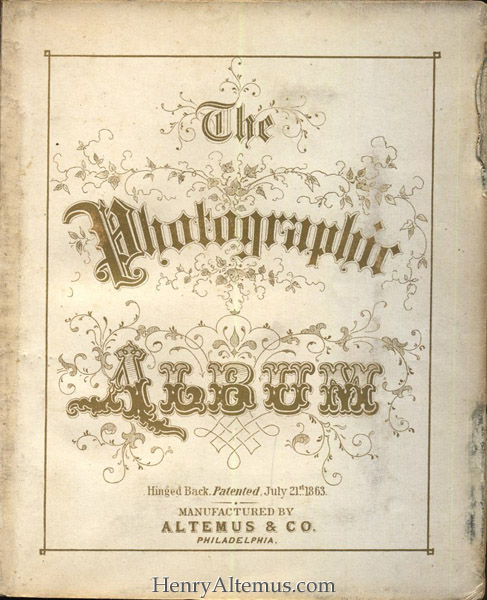
photographic albums. Of note is that albums using this
special design have the Altemus & Company imprint
on the title page along with a line that says patented
July 21, 1863. It appears that many Altemus albums
which do not have the patented hinge back design have
no publisher imprint on the title page or the spine.
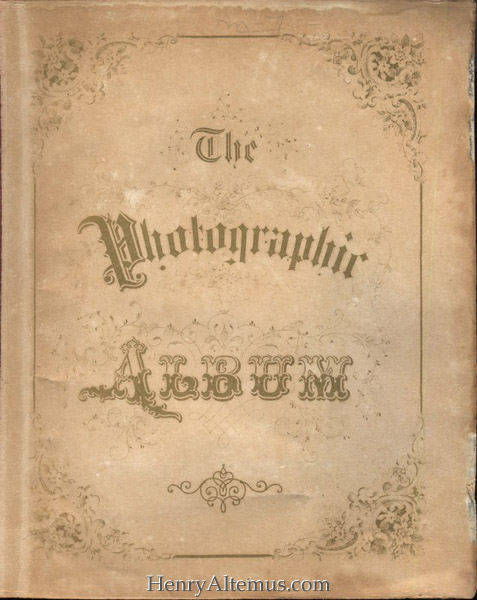
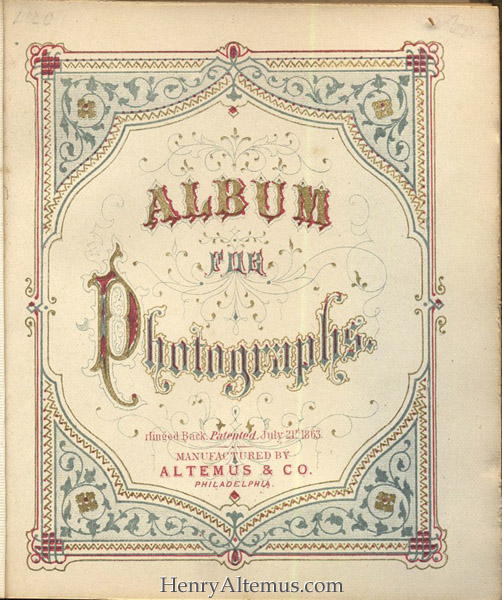
Note the title page picture below on the left. These
are pre-1863 albums.
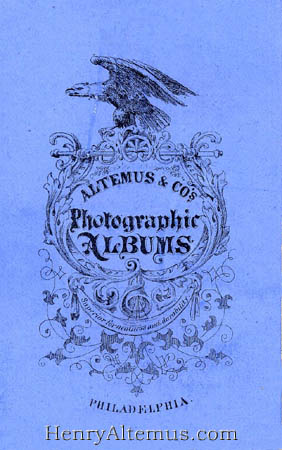
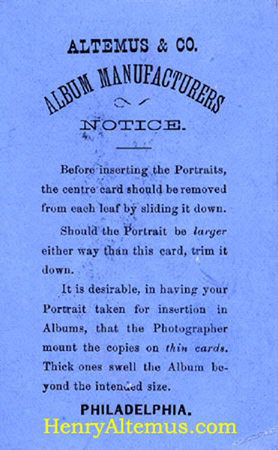
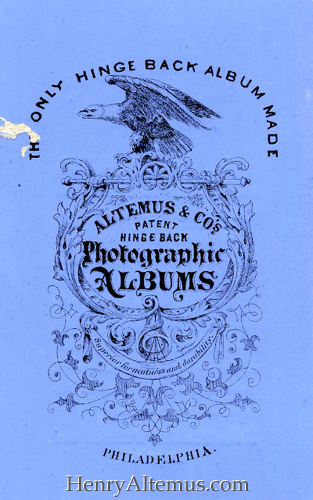
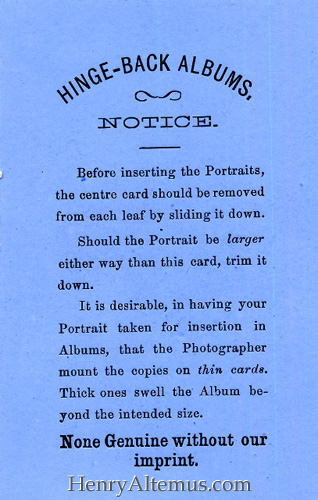
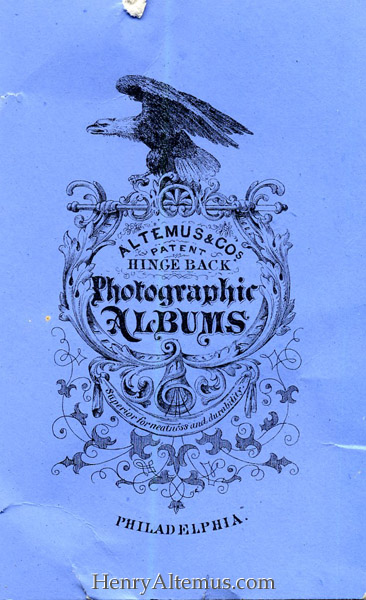
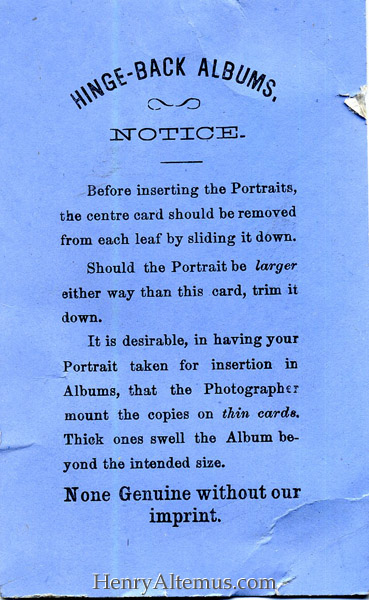
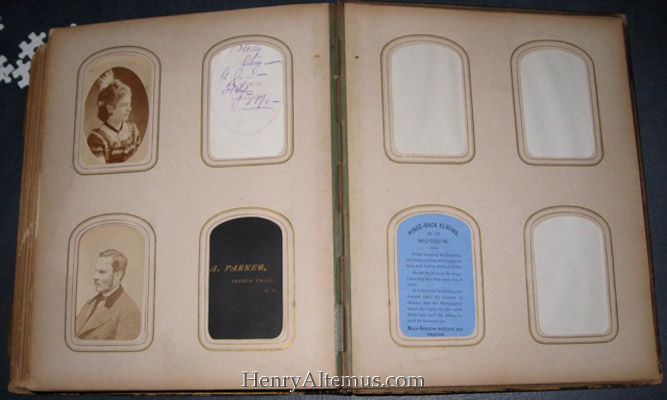
Thus, identifying those early albums as being
published by Altemus is extremely difficult. Some of
these latter albums have been seen with the blue
informational card which is shown here and identifies
Altemus as the publication company. I have seen three
different cards as of this time. Two which mention the
hinge-back design and one which does not. It is my
belief that all of the photographic albums that
Altemus & Company published originally came with
one of these cards. This cannot be substantiated
however.
Here is an album that appears to be an early
publication (probably in the 1863 time frame). The
album pictured here is 7.5" x 9.5". It has pages for
cabinet cards as well as tin-type size photos. There
are thirteen leaves.
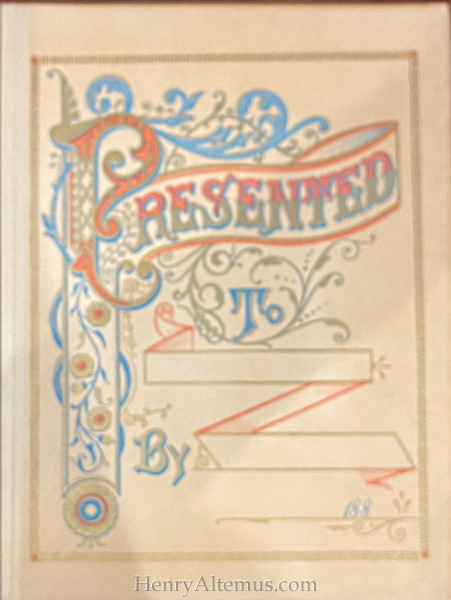
The title page does not indicate the patent date. This
may mean that this album is an early publication that
is post 1863 but before all the title pages were
changed to reflect the patent date. The front cover
format is closely related to the pre-1863 cover
designs. Also both Philadelphia and New York are noted
below the Altemus & Co. imprint.
By 1864 Altemus was touting its special photographic
album design. "It having the advantage of laying open
perfectly flat..." Altemus had the patent for the
"hinged back" design. As described by Altemus--" each
leaf is attached to a small rod covered with morocco
forming a separate hinge of its own, admitting the
book to be opened to its full extent without danger of
the slightest injury". Prior to 1863 and the new
design the Altemus albums of course did not have the
patented special hinges. These non specially hinged
albums were quickly phased out.
By 1867 the Altemus photographic album was a big
seller. Advertisements noted Altemus' blank books as
well as their Photograph Album Manufactory at the Race
Street Address. In fact other commentators were
describing Altemus as "one of the largest
bookbinderies and Photograph manufactories in the
United States". By 1868 the original list had been
greatly expanded. Although still listing the earlier
albums, now numerous styles of the hinged back albums
were advertised. Also noted in ads were Tin Type
Albums and Cabinet Albums.
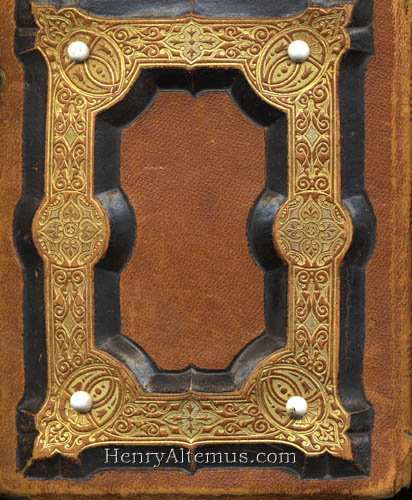
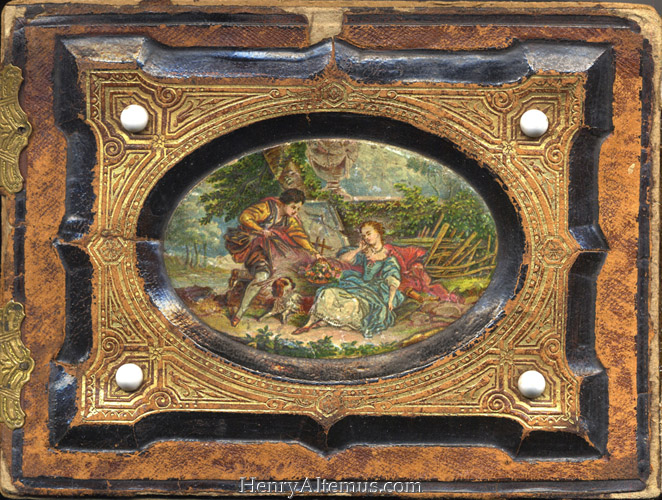
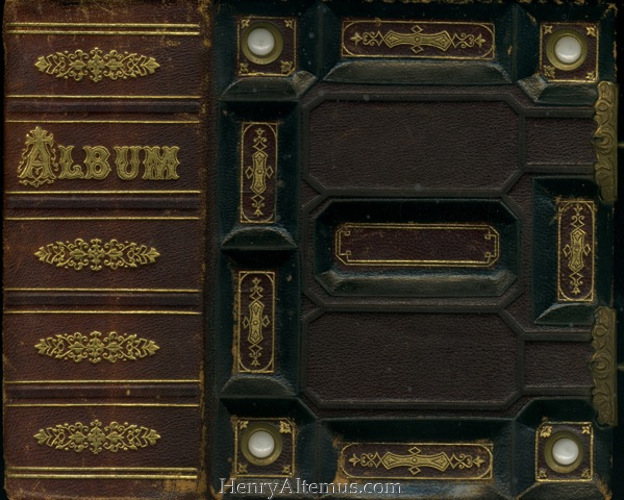
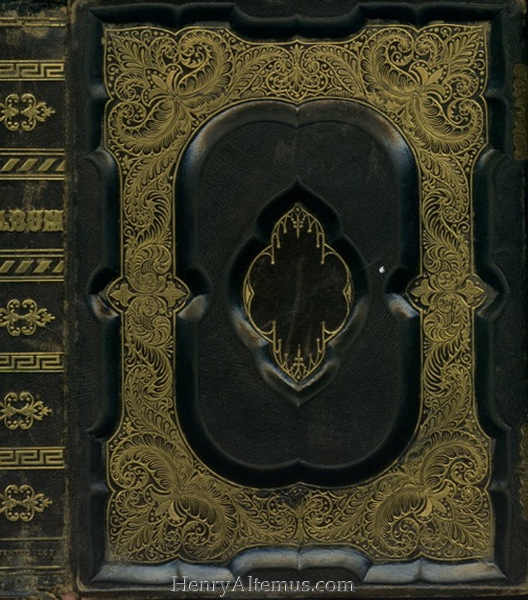
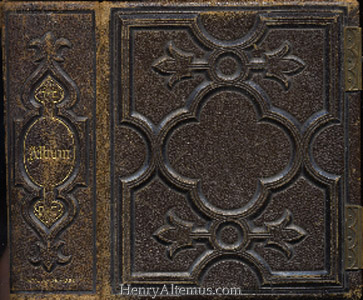
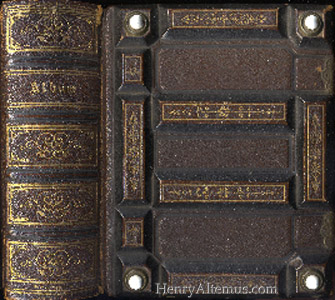
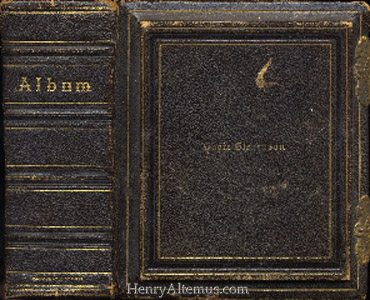
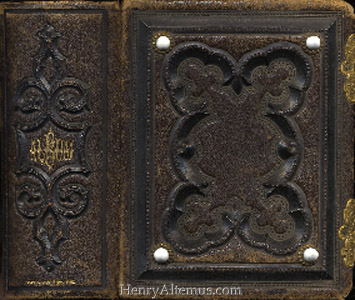
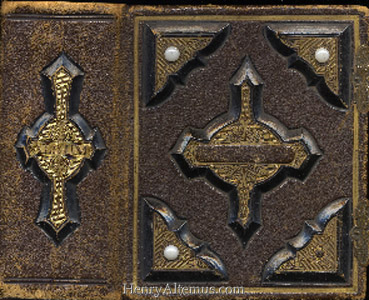
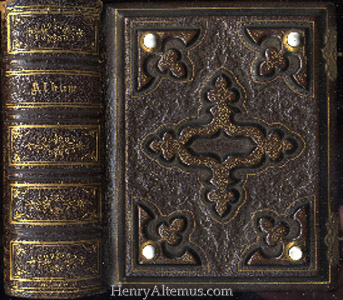
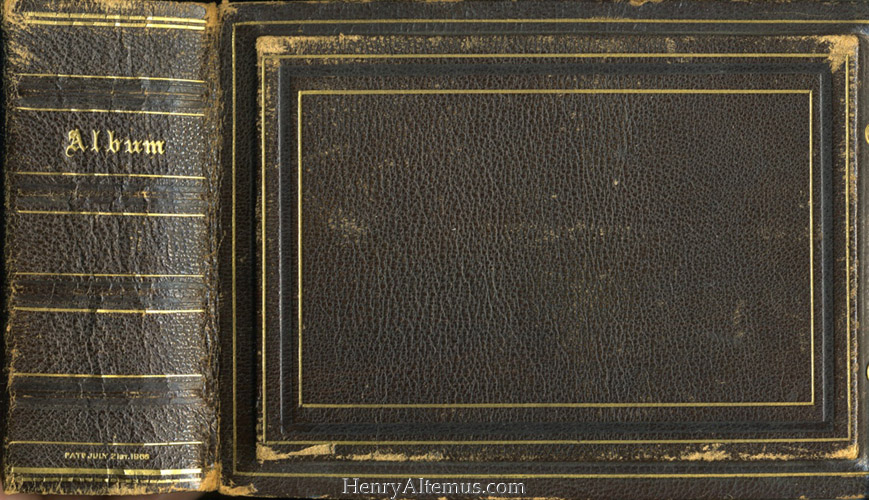
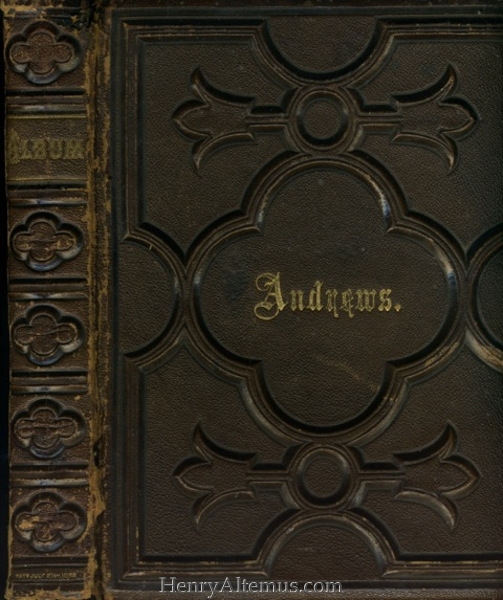
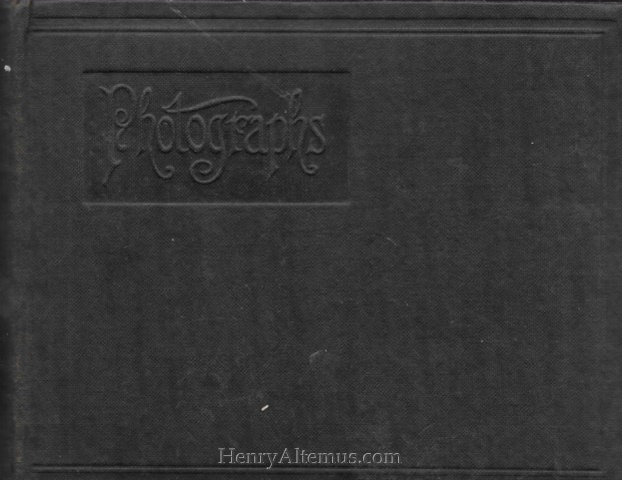
Here are several pictures of photographic album
covers. Remember that albums came in various sizes
ranging from an album that could hold just one picture
on a page to albums that held two pictures
horizontally on a page to large albums with four
pictures on a page. Any cover could be seen with any
spine. Also any size album could be seen with any
cover or spine.
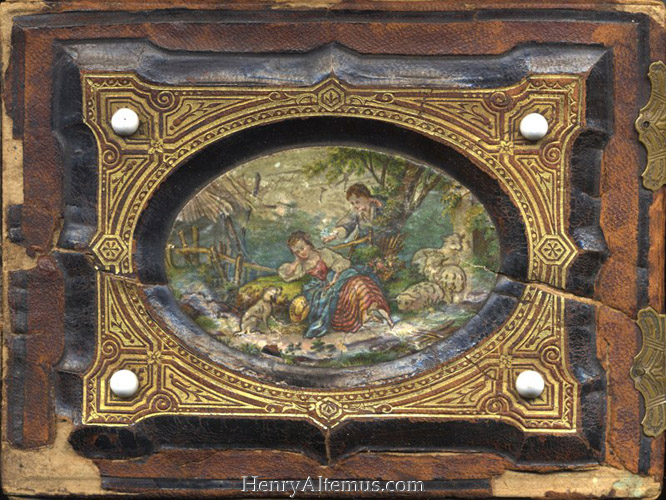
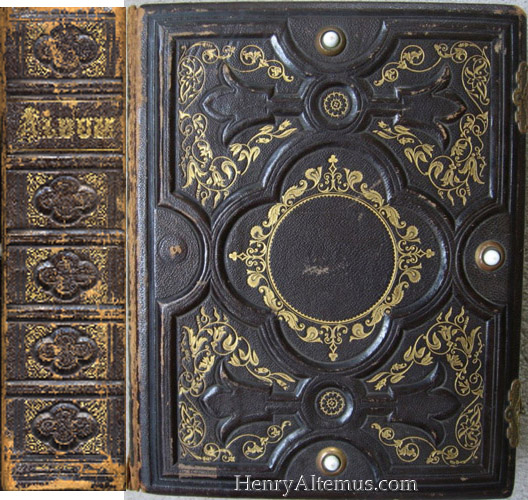
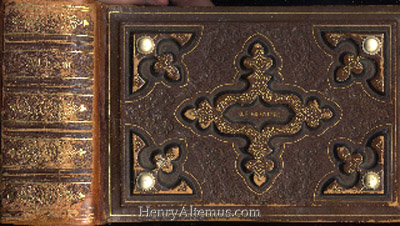
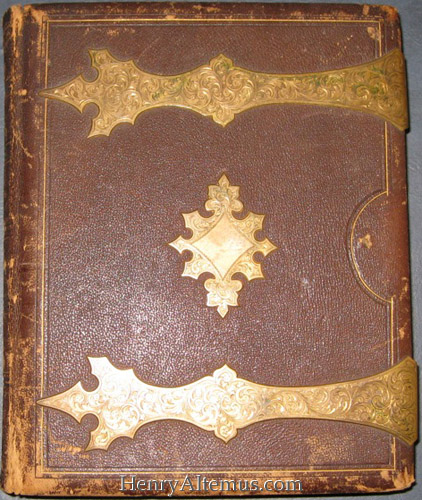
A number of very elegant albums were published. Below
is a large one (9 x 11) with 25 pages. Note the gold
metallic decorative pieces on the front cover.
By the mid 1880's there were at least 100 new styles
and designs of photographic albums. Numerous different
bindings were used including silk plush, sealskin,
Russia, moroccos, alligator, calfskin, embossed
brocade, etc.
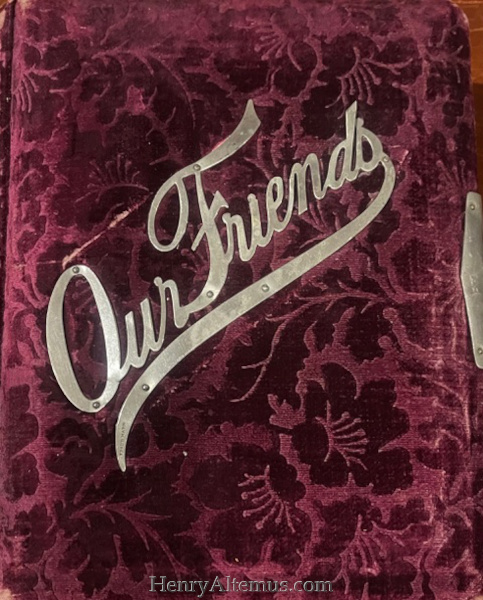
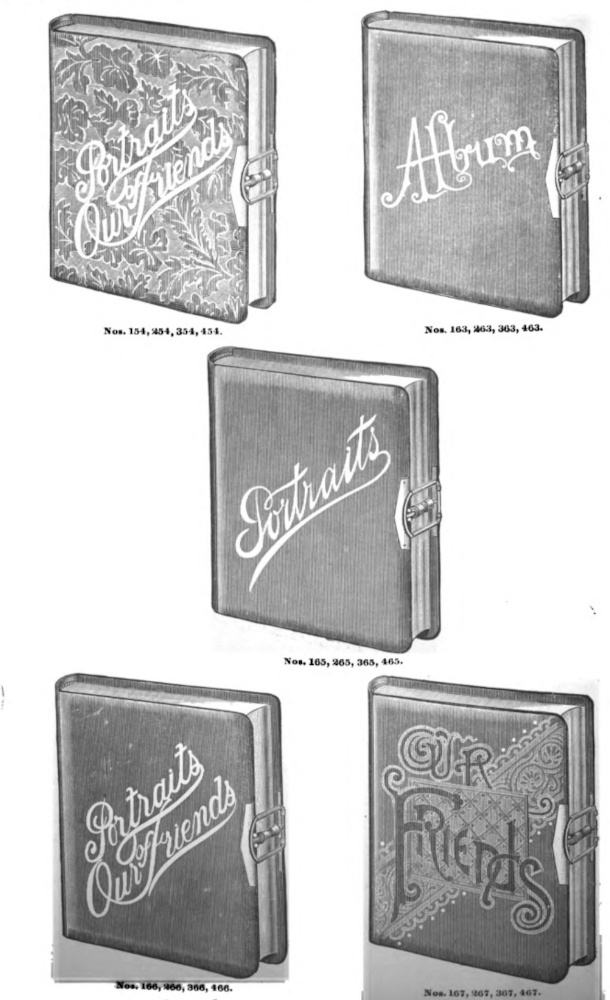
Many of the albums used the same covers that were
being used for Altemus bibles. The silk embossed books
have been seen with different front cover lettering.
"Portraits of Our Friends", "Our Friends", "Portaits"
are some that I have seen.
For each style that was published numerous
combinations regarding the contents have been noted.
They varied in the number of cabinet cards and small
photos that they could hold. Sizes seen at this time:
9.25" x 11" or 8.50" x 10.50"
Interiors varied from plain white to marble, Japanese,
walnut, cupid or daisy.
Some books cost as much as $6.00 ($206 in 2025)
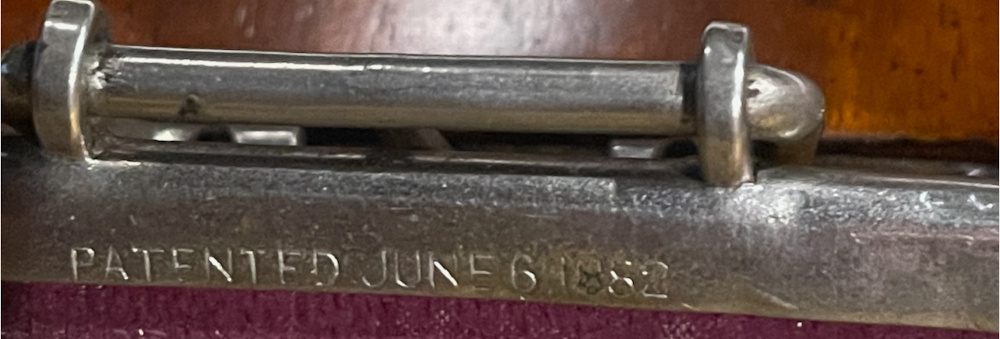
Identifying these books can be a difficult matter
since most do not have "Altemus" anywhere on the
binding or the interior. The Altemus albums were
patented on June 6, 1882. This date can be seen on the
clasp of the album.
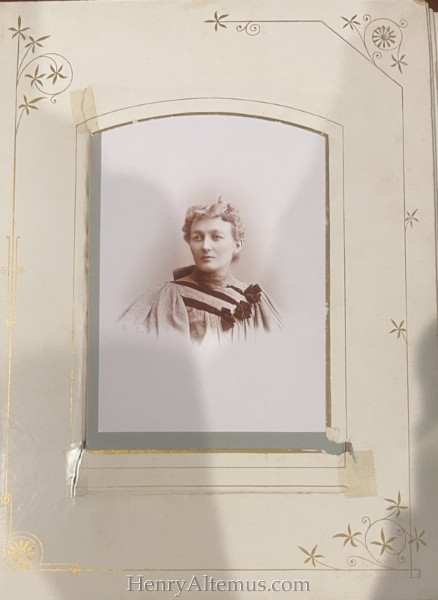
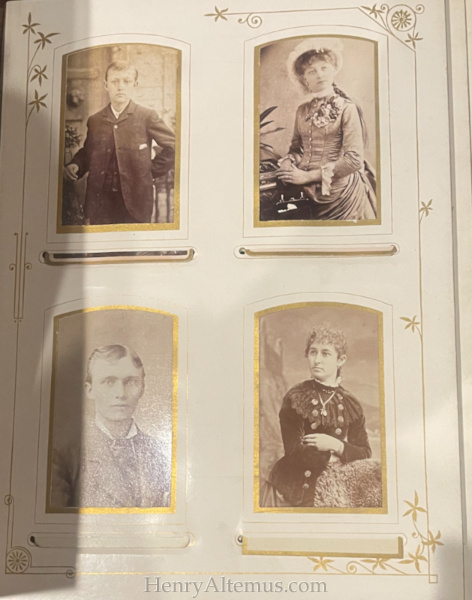
Here is a representative photo album.
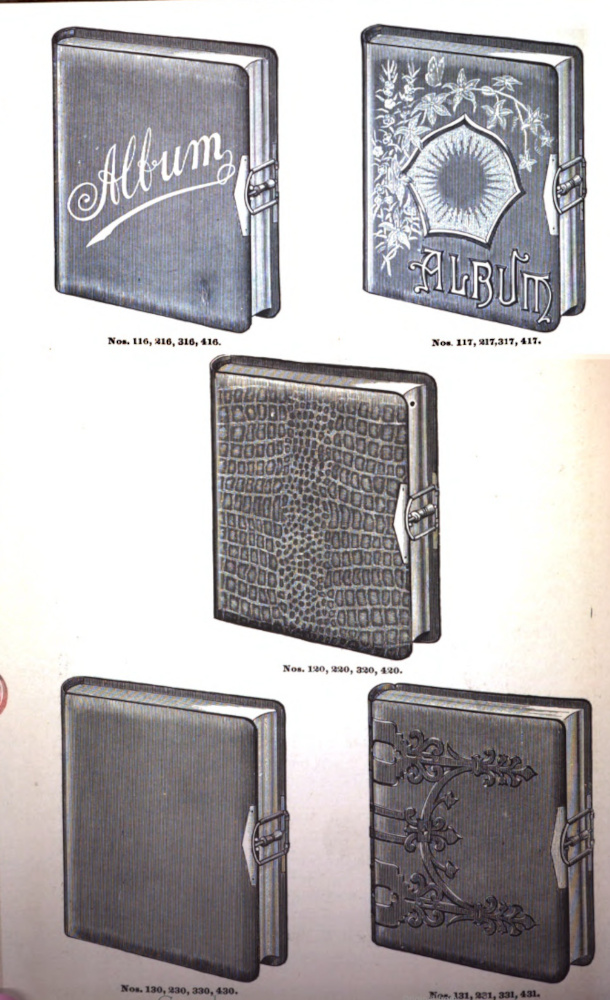
Here are some further cover examples from the
catalogues:
By 1889 there were no photographic Albums seen in the
Altemus catalogues. By 1892 even the mention of
Altemus Photographic Albums had been removed from the
front of the catalogues. At last these elegant albums
were no longer in production. The end of an era for
Altemus. The more cheap, simple albums produced by
Altemus in the 20th century are noted in the next
section.
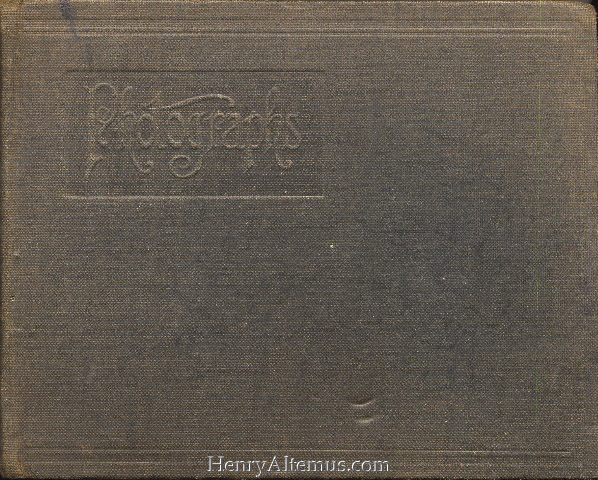
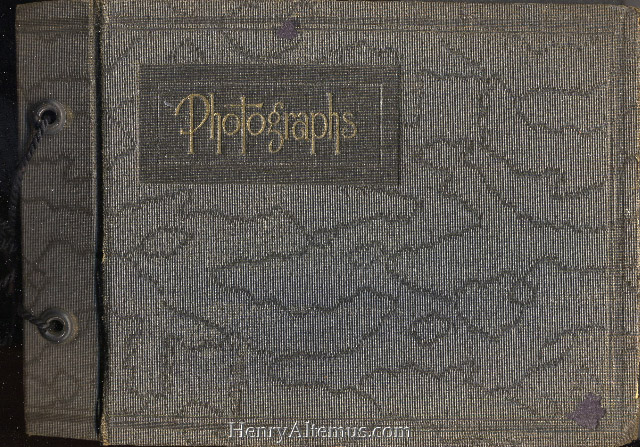
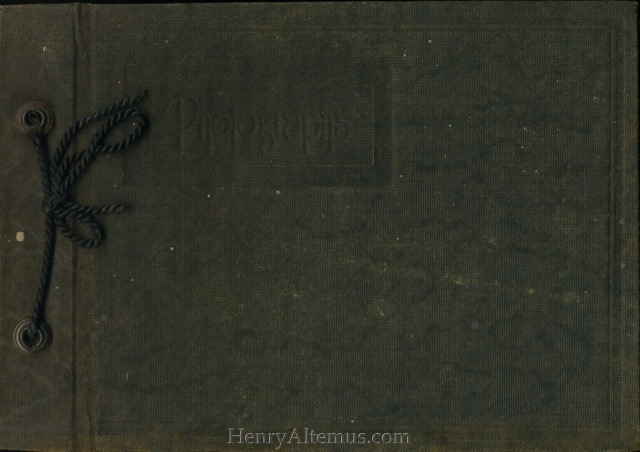
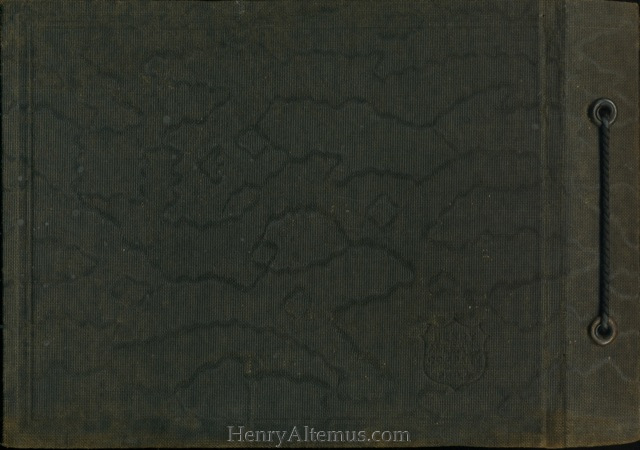
The latest group of photographic albums
were published in the late teens and twenties. These
albums were quite a departure from the much more
elegant earlier ones. Now the albums' cloth covers had
either sewed backs or the so-called extension backs
tied together with a shoelace like cord. The pages
(leaves) are light cardboard on which pictures can be
taped- not like the previous albums in which photos
were inserted into the thick pages.
There are different styles based on the size of the
cover and the number of leaves.
The numbering below is from the Altemus catalogue. It
is presumed but not known whether the missing numbers
below (100, 400, 500) represented other albums at one
time.
| Style
number |
Leaves |
| |
|
|
| 200 |
5.5 x 7" inches |
25 Sewed- Back |
| 300 |
" |
50 Sewed- Back |
| 600 |
" |
50 Loose-Leaf Extension back |
| 700 |
7 x 10 inches |
50 Sewed- Back |
| 800 |
" |
50 Loose-Leaf Extension back |
| 900 |
9 x 14 inches |
50 Sewed-Back |
| 1000 |
10 x 13 inches |
50 Loose-Leaf Extension Back |
This album does not belong to any of the styles listed
above. It is 5.75" x 8".
There are 41 pages and has the loose-leaf extension
back. Some pages may have been removed.
I suspect it is either style number 400 or 500, the
details of which are unknown.
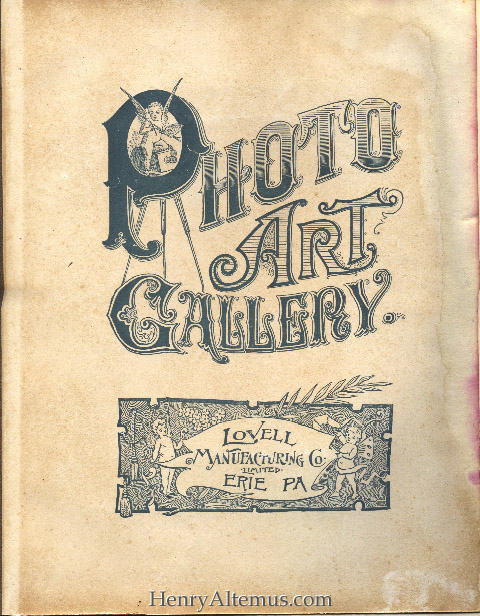
The Photo Art Gallery Album
A new photographic album has been discovered. Although
the copyright belongs to Henry Altemus 1888 it was
actually published by the Lovell Manufacturing Company
in Erie Pennsylvania. It is unlike any Altemus album
that I have seen. The copyright must stem from the use
of Altemus' patented binding.
The history of the Lovell Manufacturing Company can be
found at http://www.lovellplace.com/history.html
in which the authors have written a great summary of
the company.
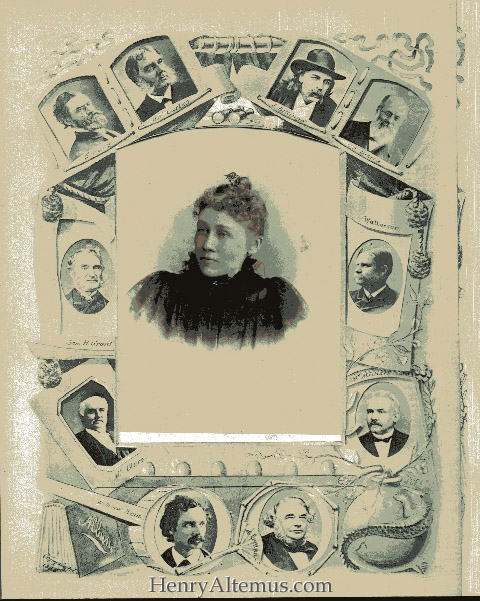
The Album which is called Photo Art Gallery has 16
pages all 8 x 10. Each page can hold one cabinet card
on the front and on the back. Surrounding the card on
each side are the pictures of famous people in various
areas of society. Each page is different and has 10
pictures. (See below) There is an index in the back
which alphabetically lists all of the portraits. It
does appear that each page has its own specialized
area, That is, a presidents' page, an authors' page, a
soldiers' page, etc.
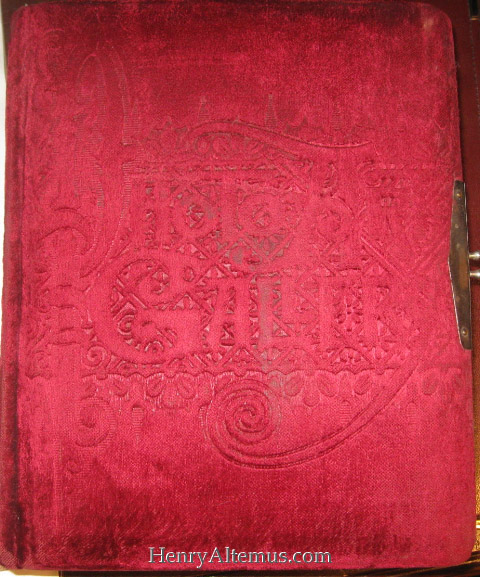
The cover is made up of a red velvet material with
embossed lettering on the front which says Photo
Gallery.
This is indeed a very rare and special album.
|