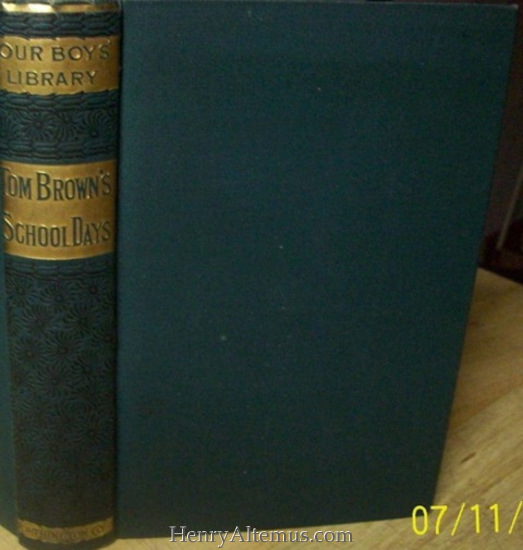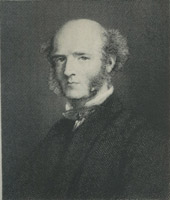

The Tom Brown Series was written by Thomas Hughes (1822-1896) and
is a two volume series that chronicles English school boy
adventures. According to many scholars these books and Dickens'
Nicholas Nickleby present this genre in a more realistic way than
any other novels. Hughes' own schoolboy experiences at the Rugby
School under Dr. Arnold and Oriel College, Oxford became the
foundation for this two book semi-autobiographical series. His
brother George appears to be the model for Tom Brown.
Hughes was quite an idealist. He attempted to establish an
agricultural community with a Christian lifestyle with none of the
class distinctions of British society. This community which was
located in Tennessee was founded in 1880. Although initially well
populated and successful, disease and financial difficulties
eventually doomed this enterprise.
Of his various literary efforts, the Tom Brown books are clearly
his legacy. Tom Brown's School Days (By an Old Boy) was initially
published in 1857 by Macmillan in Cambridge. The American first
was published by Ticknor and Fields also in 1857.
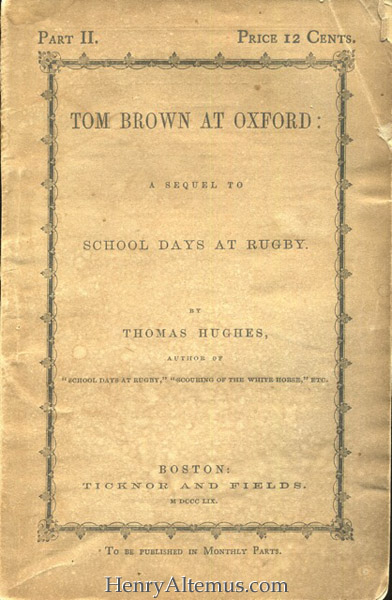
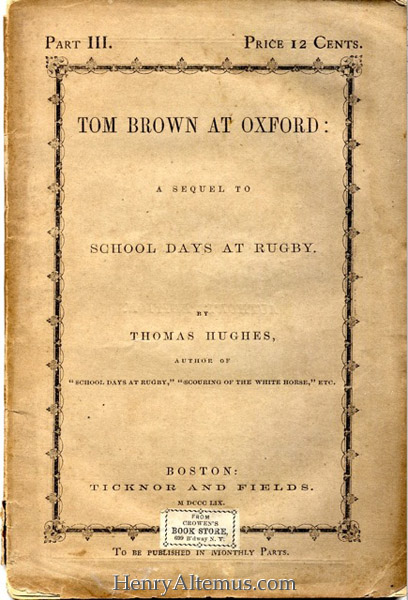
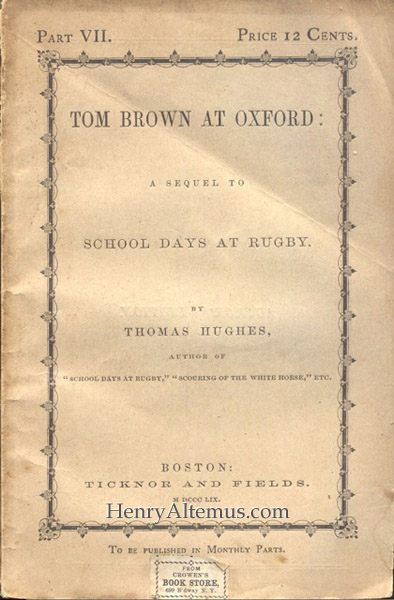
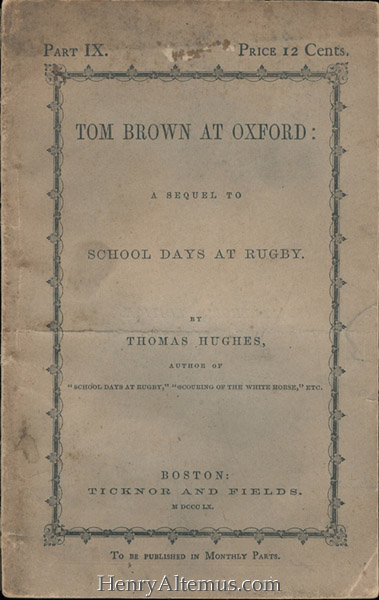
Tom Brown at Oxford was first published in serialized form by
Ticknor and Fields between 1859 and 1861. Harper and Brothers
published the first bound form in 1860 and 1861 using the Ticknor
and Fields' parts.
Because there was no copyright protection the two books of this
series were published by an unbelievable number of publishers.
This site shows most all of these American pirated editions
printed between 1857 and early 1900's . As new formats are found,
the pictures will be added.
School Days "Sixth Edition"
In 1858 Hughes' English publisher Macmillan printed the sixth
edition of School Days. This is the version of School Days that
all subsequent publishers used. Thus, virtually every American
reprint of this title includes after the title page the "Preface
to the Sixth Edition". Of course, none of these copies are the
actual sixth editions-they are all reprints of the sixth edition.
This edition description error is frequently made by booksellers.
Below is an alphabetical listing of the American Tom Brown books.
For more information, click on the publisher's name.
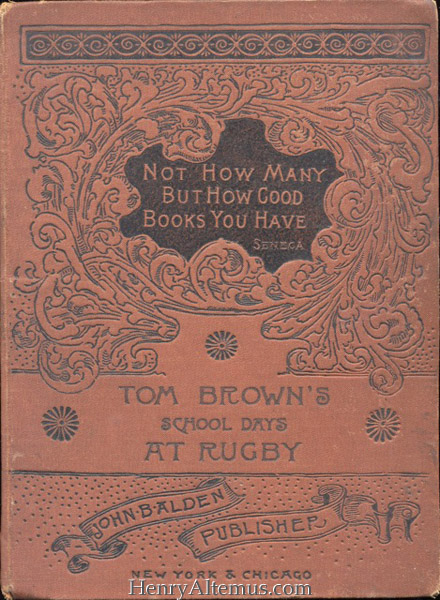
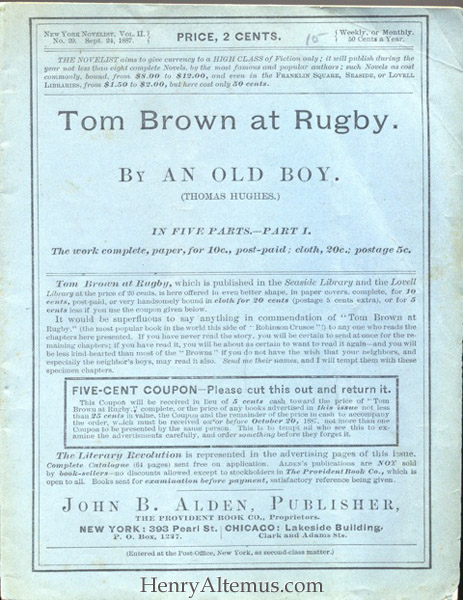
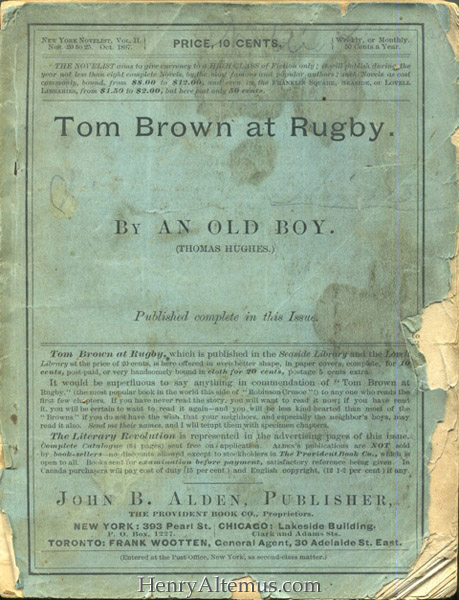
John B. Alden (1879-1908)This New York publisher was active between 1879 and 1908.
John Berry Alden, the founder, earlier had started the
American Book Exchange which had published several Tom
Brown's in series form. The American Book Exchange went
bankrupt in 1881. Throughout the 1880's and 1890's Alden
published many classic reprints in series form at very
cheap prices. |
|||||
|
|||||
|
This pictures was kindly sent to me by Bradley Herzlich. This book is undoubtedly from the same unknown 1884 series shown slightly above. The cover has been slightly modified.
|
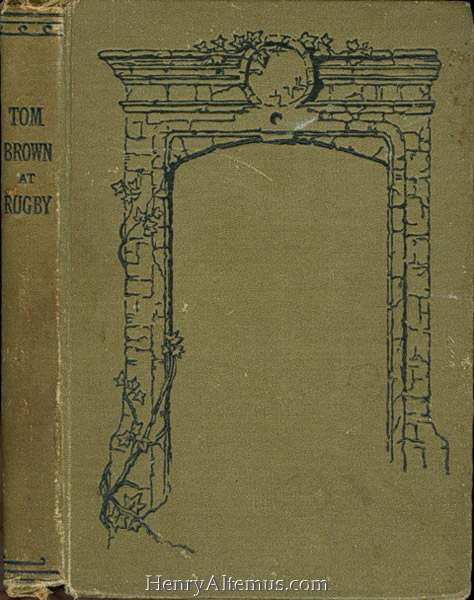
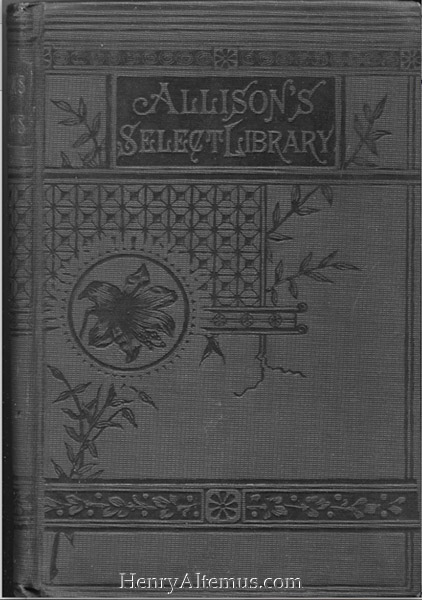
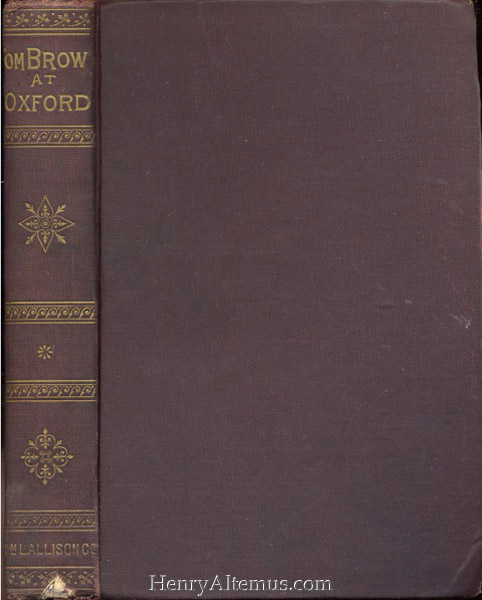
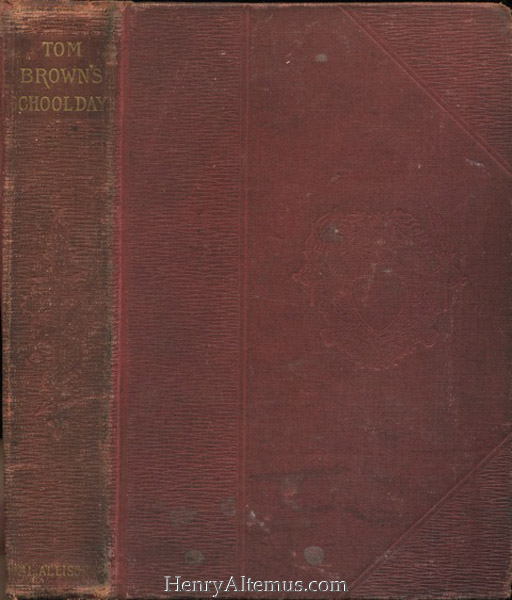
Wm. L. Allison (Co.) (1869-1899)William L. Allison succeeded the T. O'Kane publishing
firm in 1869. In the late 1880's and 1890's this firm was
best known for its numerous series of cheap reprints. |
|||||||||||||||||||||||||
|
|||||||||||||||||||||||||
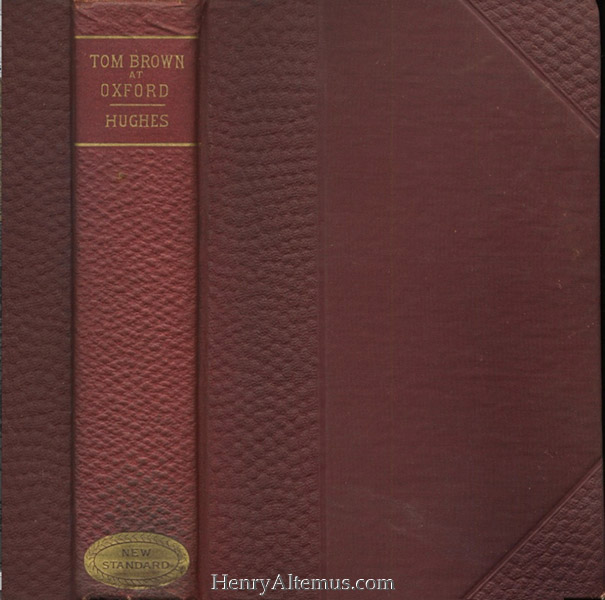
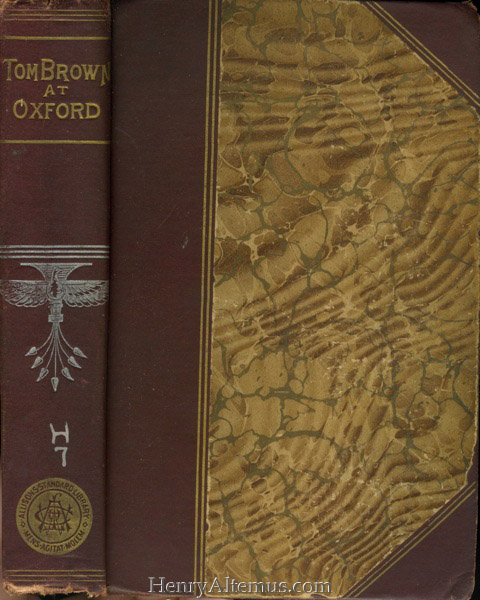
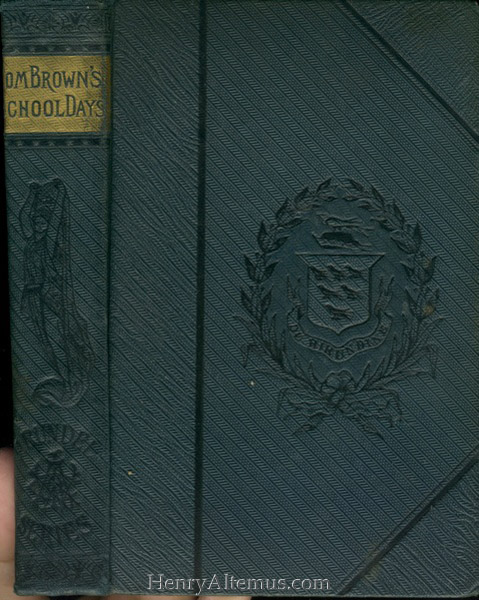
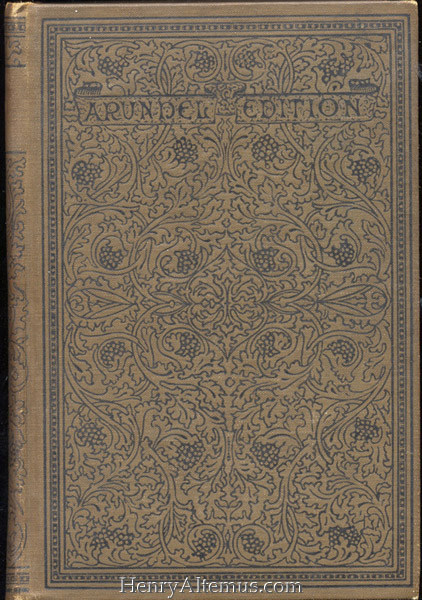
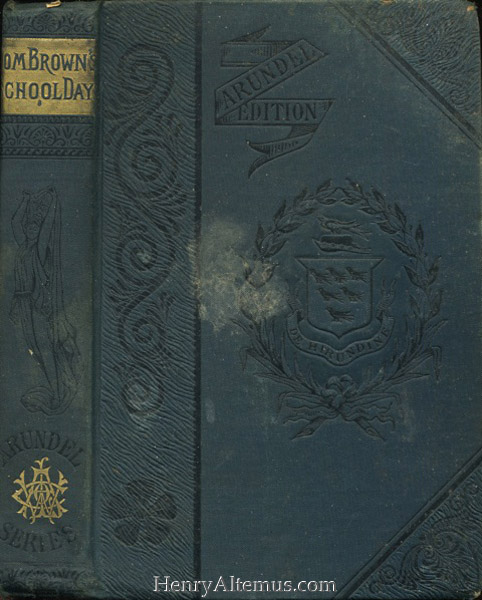
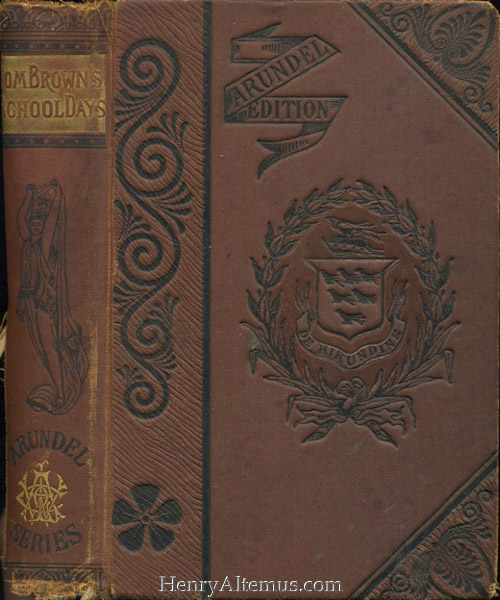
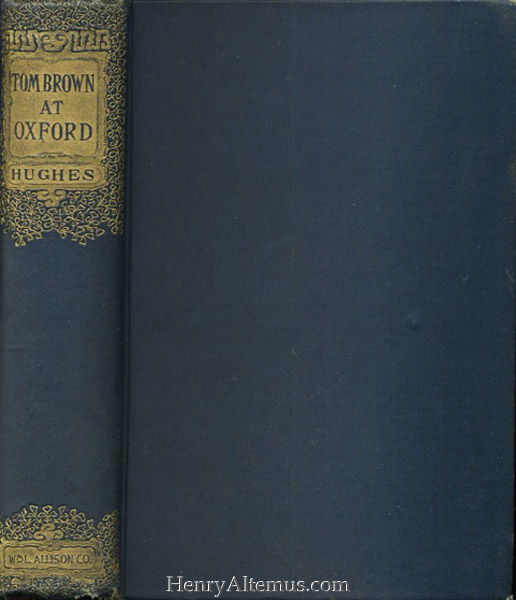
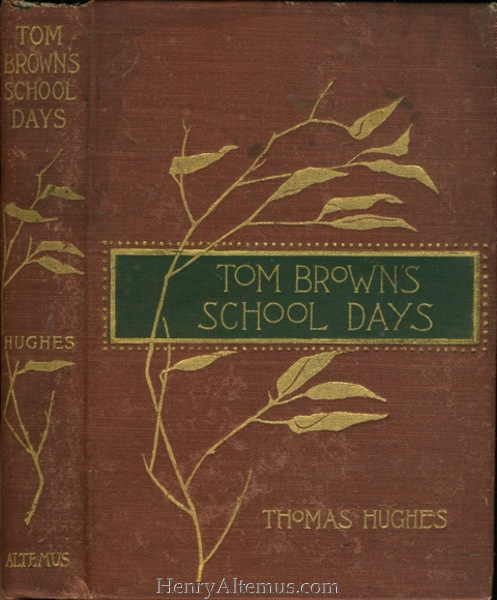
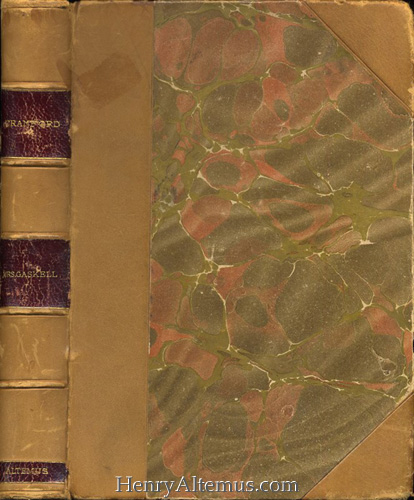
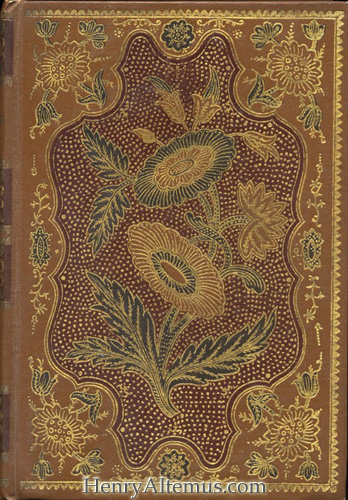
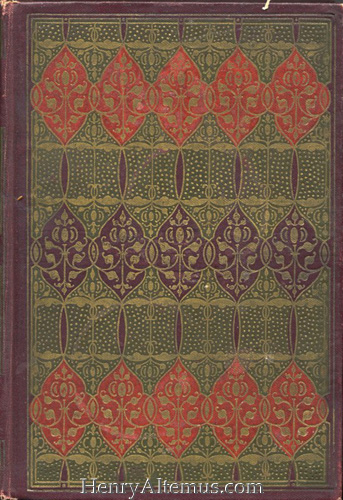
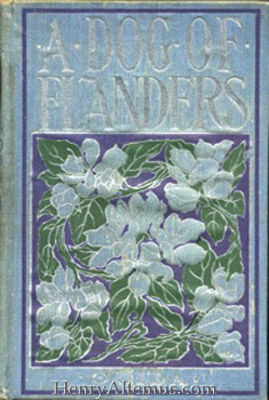
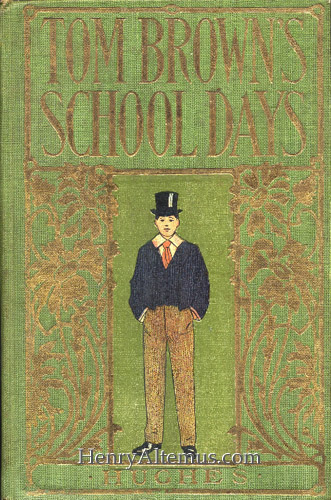
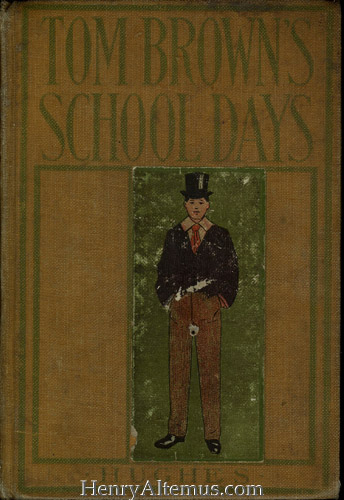
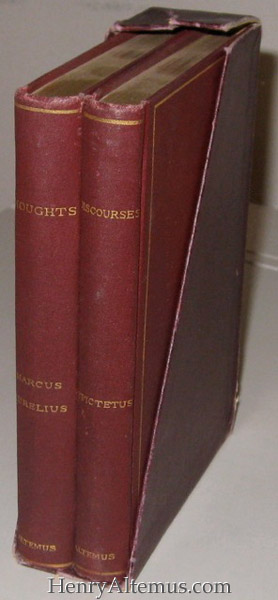
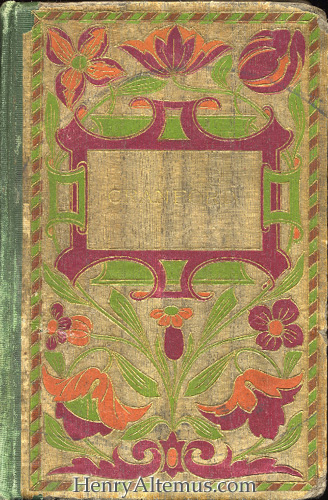
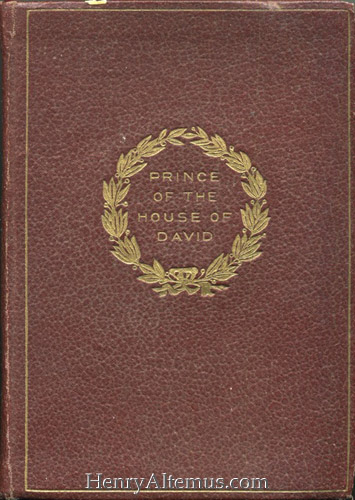
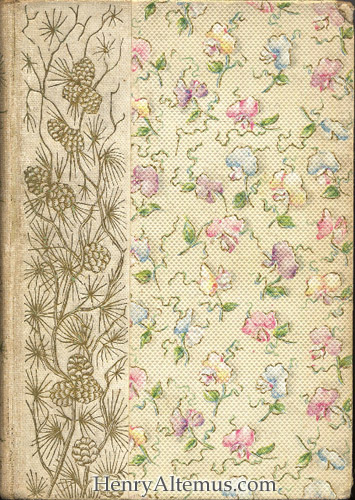
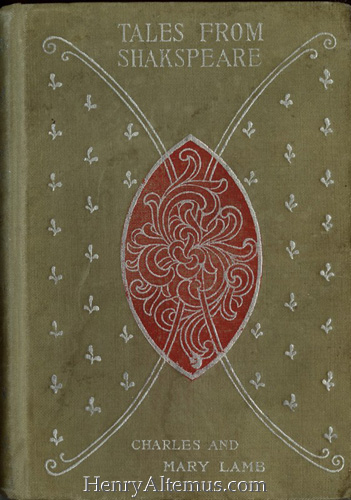
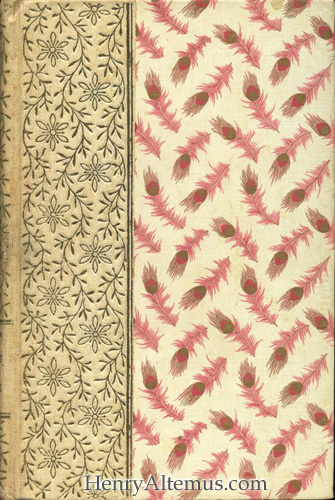
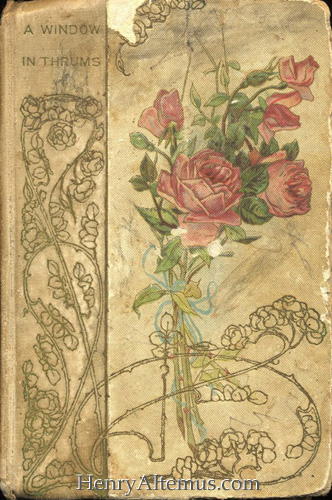
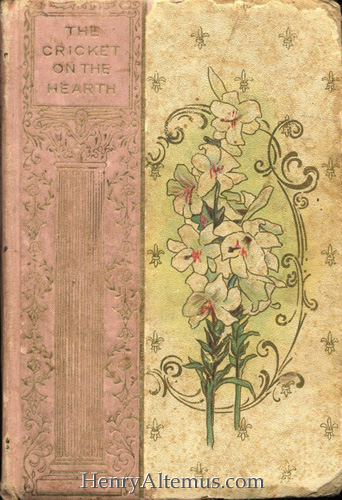
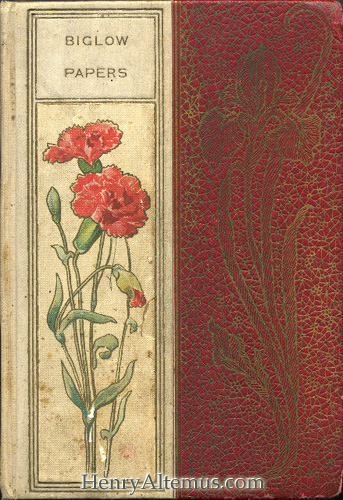
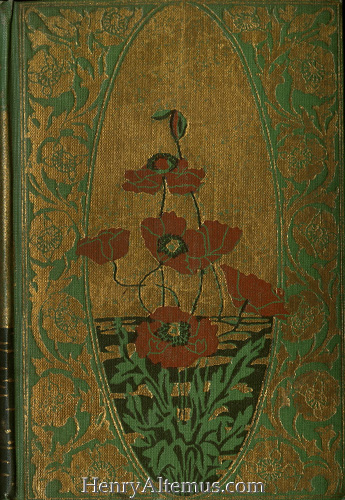
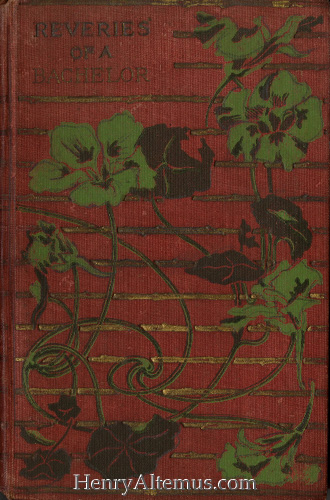
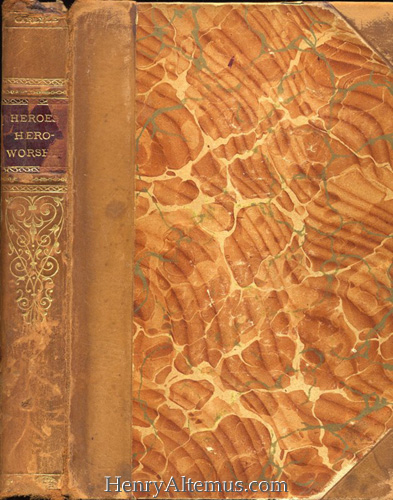
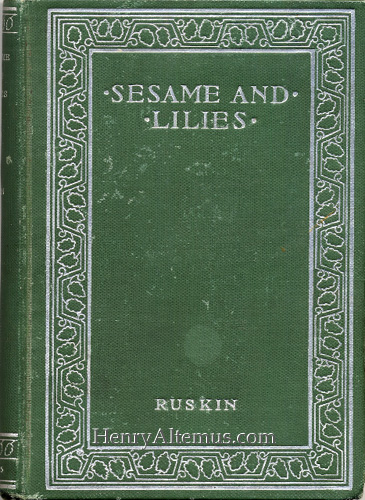
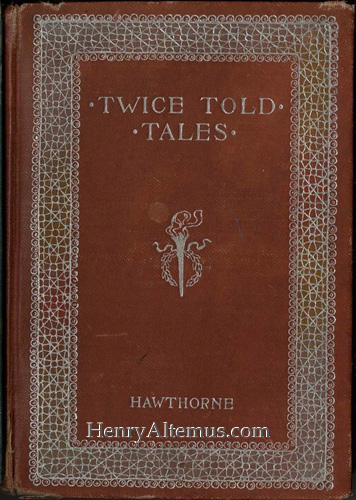
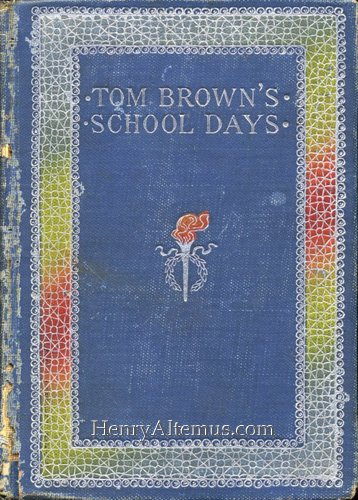
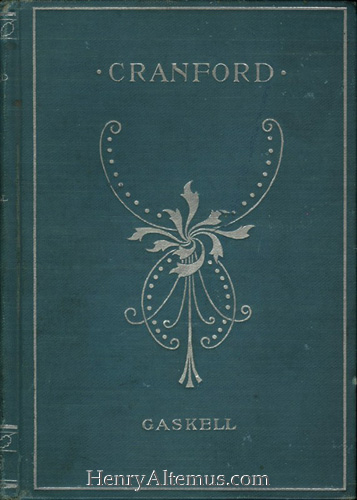
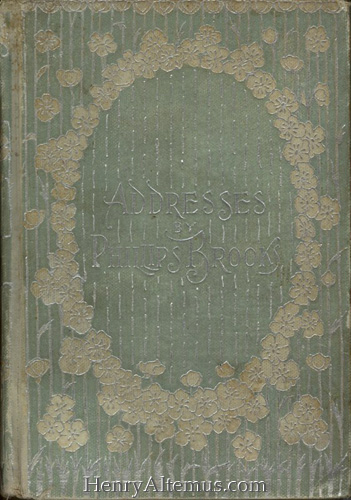
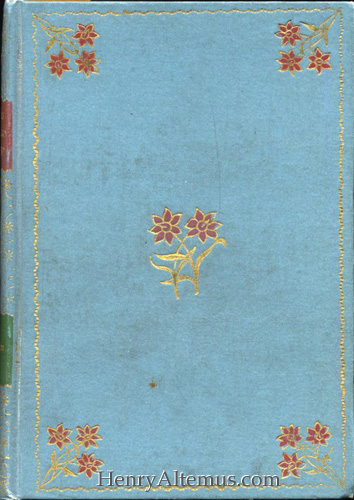
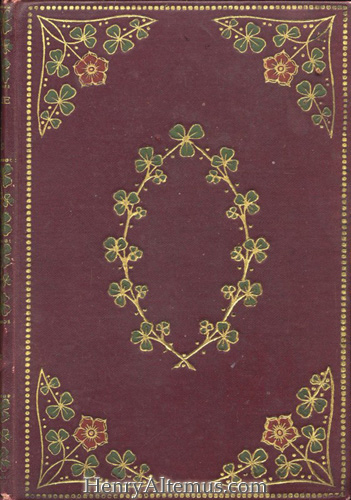
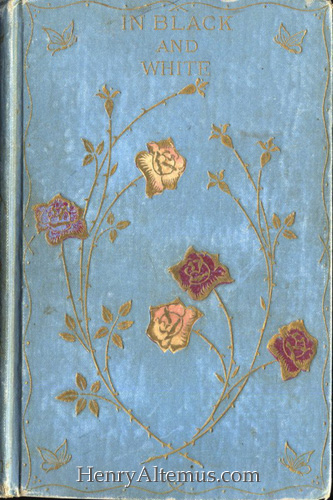
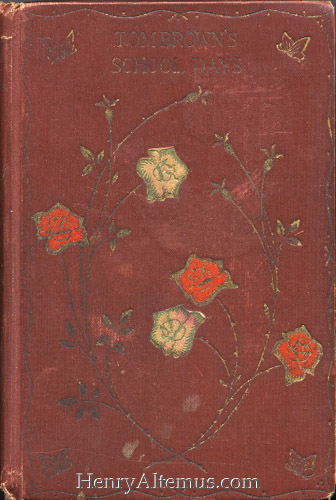
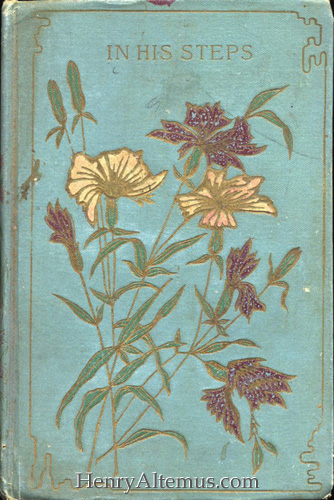
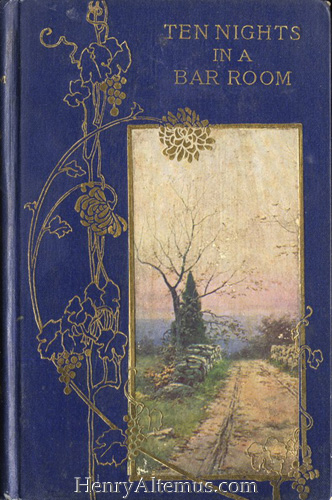
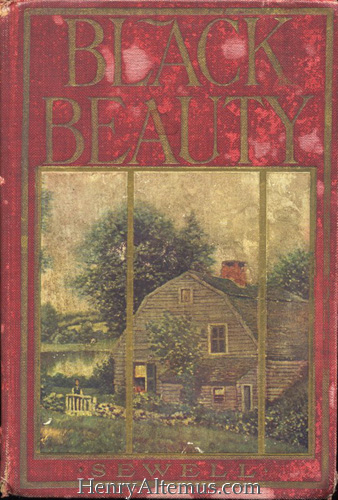
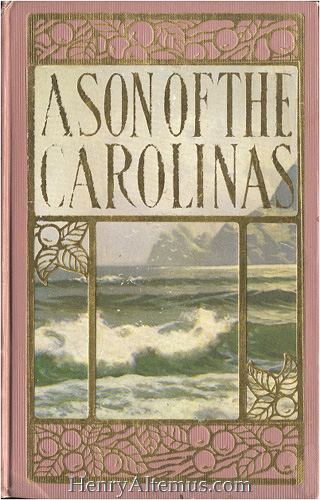
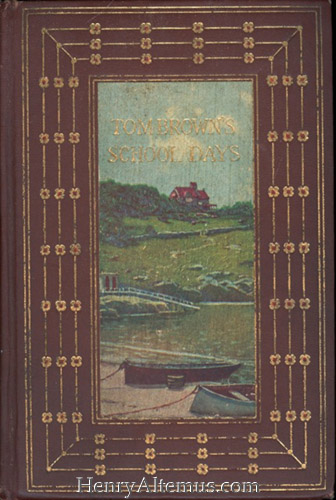
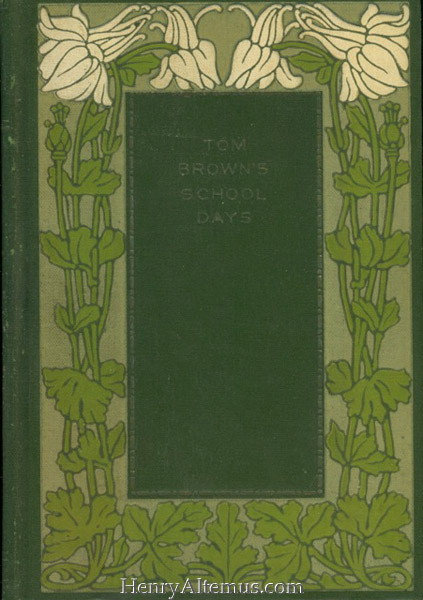
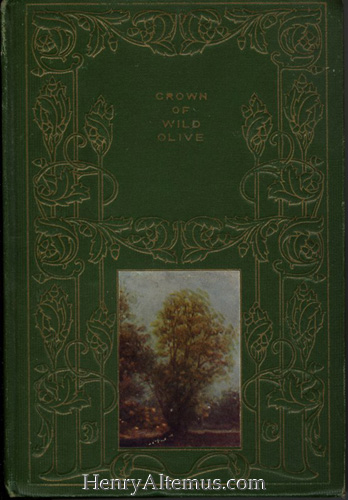
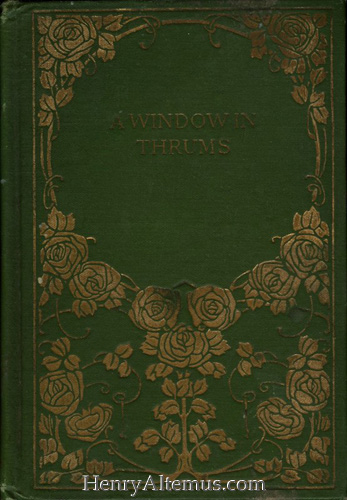
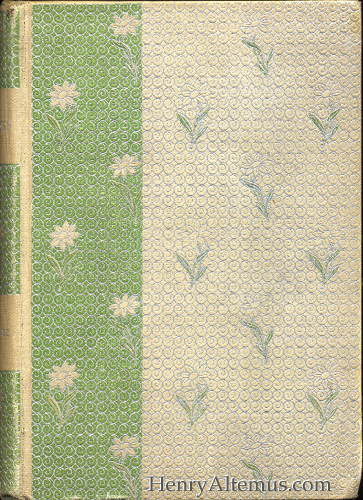
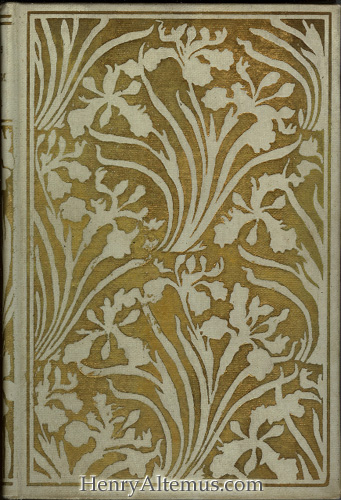
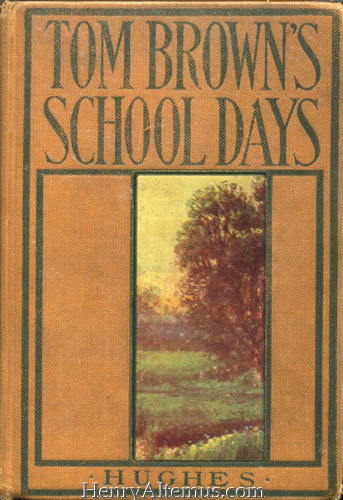
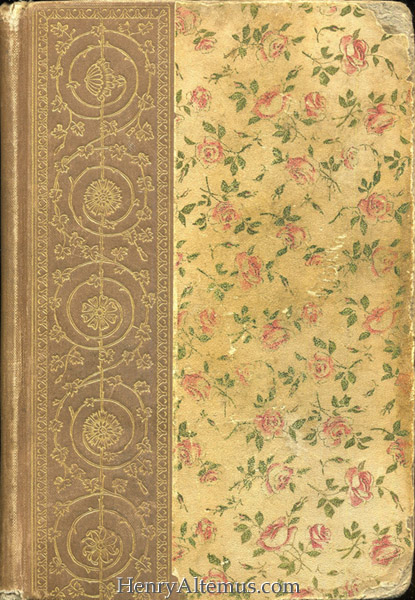
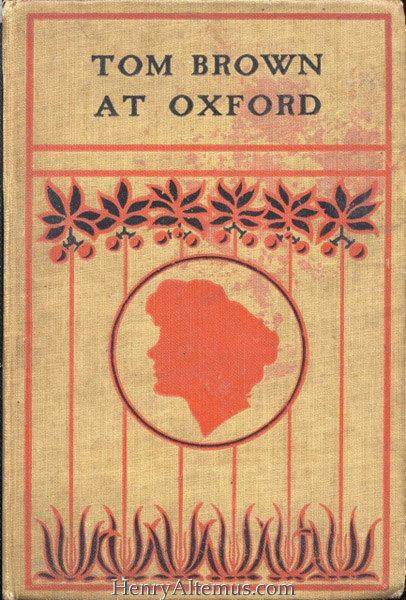
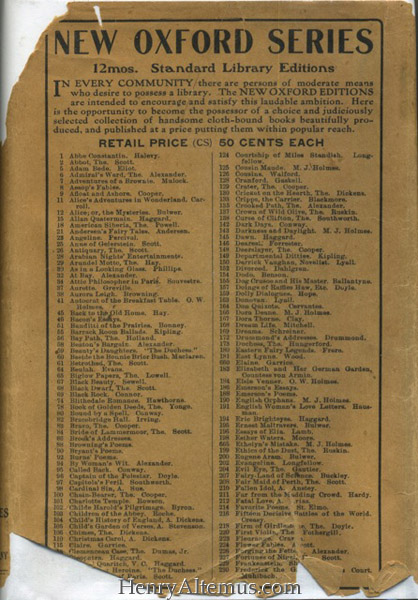
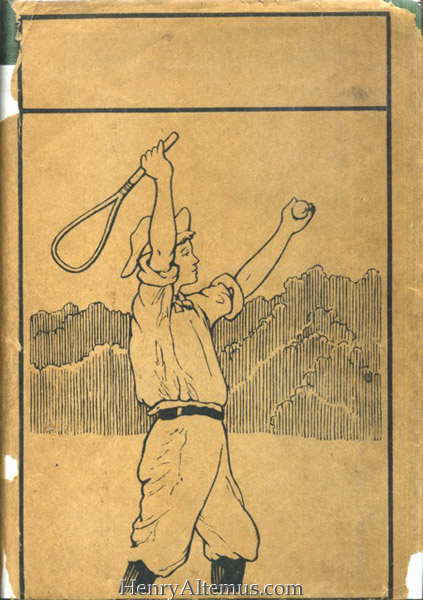
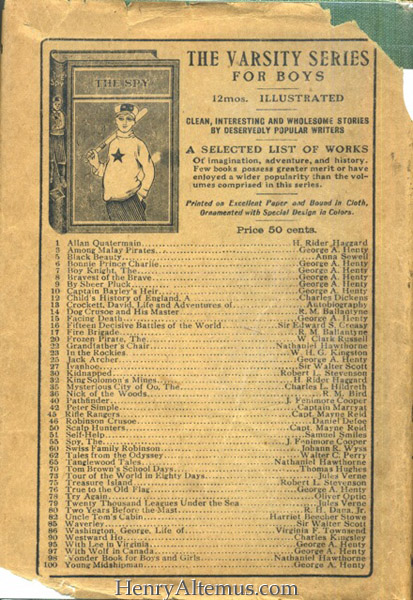
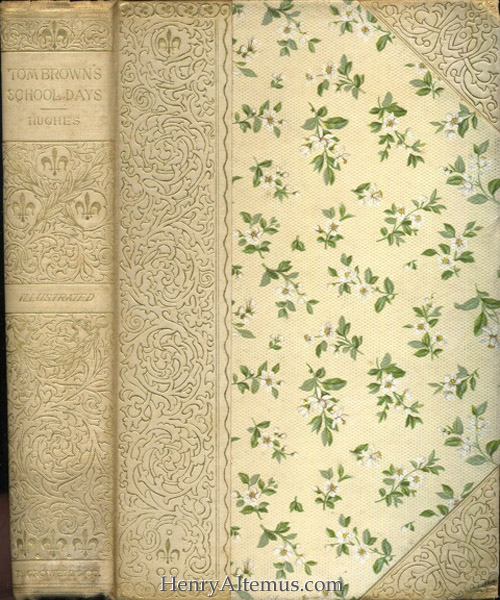
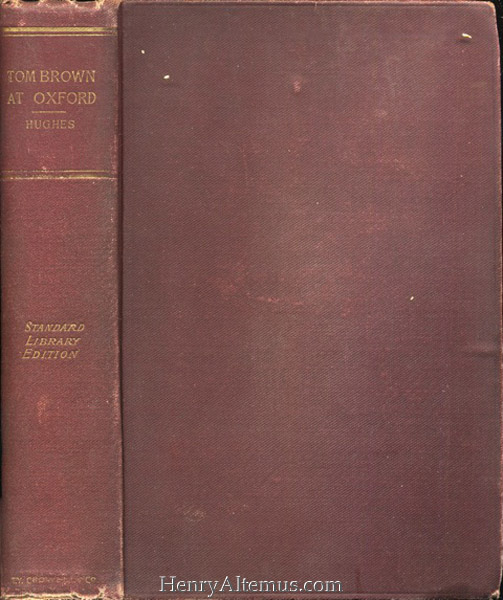
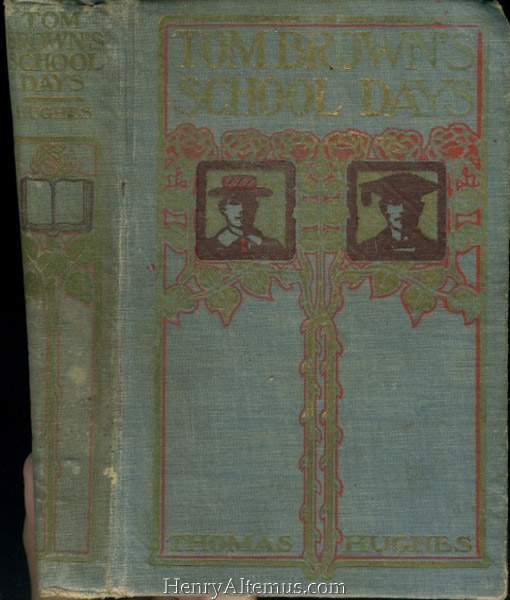
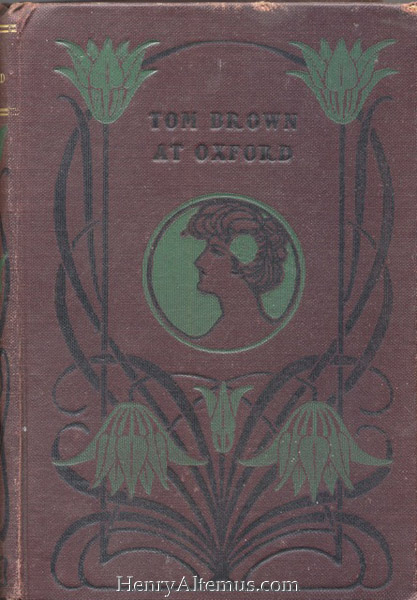
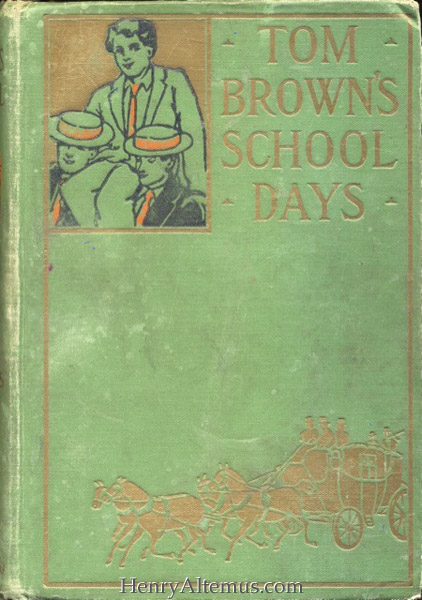
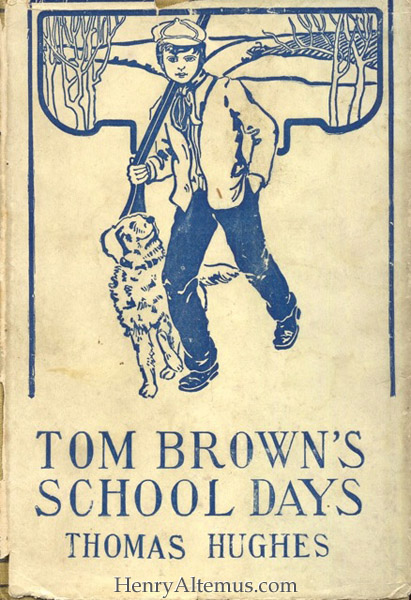
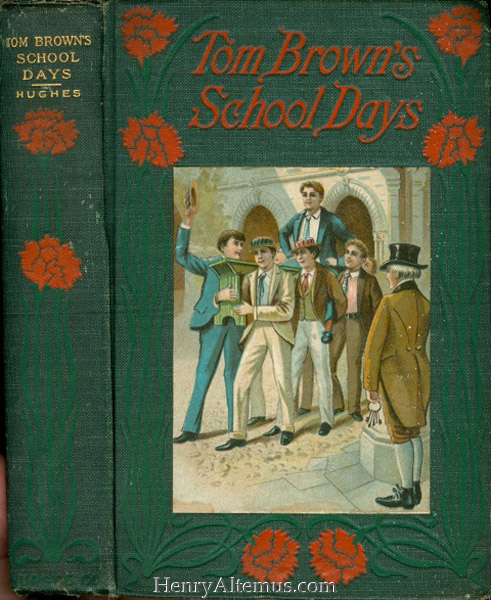
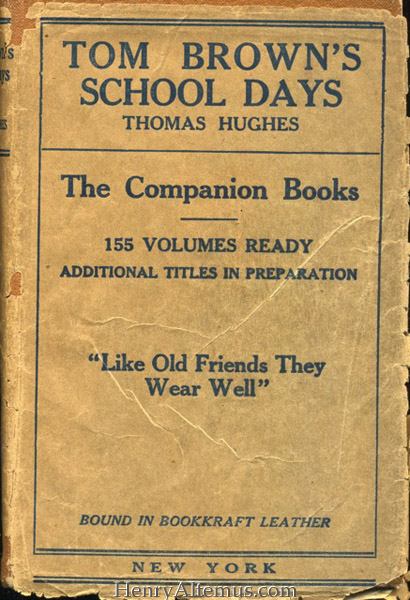
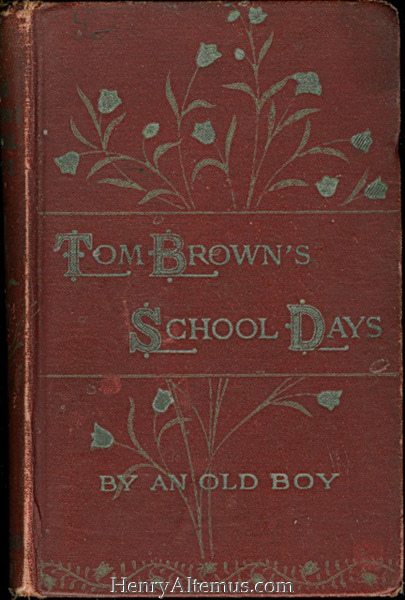
Henry AltemusHenry Altemus and the Henry Altemus Company (1842-1936)
was a popular and prolific Philadelphia publisher which
started as a bookbinder and evolved into a publisher of
photographic albums, bibles, decorative reprints of
fiction, religious and moralistic books, juvenile series
books, fairy tales, puzzle books, etc. |
|||||||||||||||||||||||||||||||||||||||||||||||||||||||||||||||||||||||||||||||||||||||||||||||||||||||||||||||||||||||||||||||||||||||||||||||||||||||||||||||||||||||||
|
|||||||||||||||||||||||||||||||||||||||||||||||||||||||||||||||||||||||||||||||||||||||||||||||||||||||||||||||||||||||||||||||||||||||||||||||||||||||||||||||||||||||||

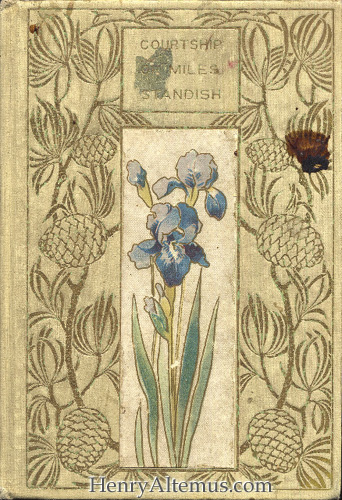
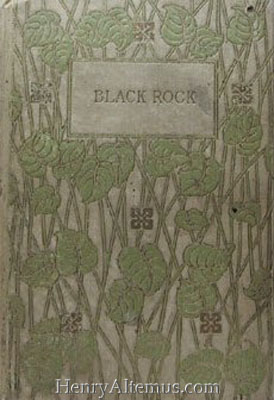
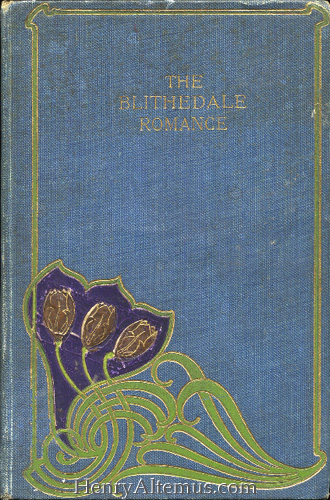
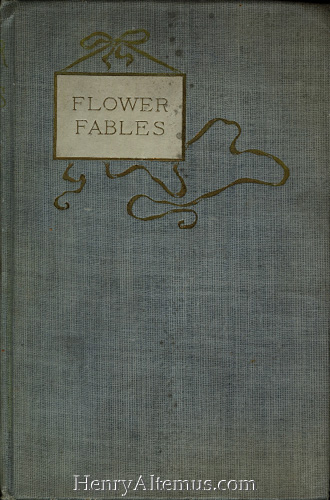





American Book Exchange (1881)This company was founded by John B. Alden in 1874 as a
second hand book business. It soon was in the business of
publishing cheap reprints for the masses. Late in 1881 the
American Book exchange went bankrupt. |
||
|
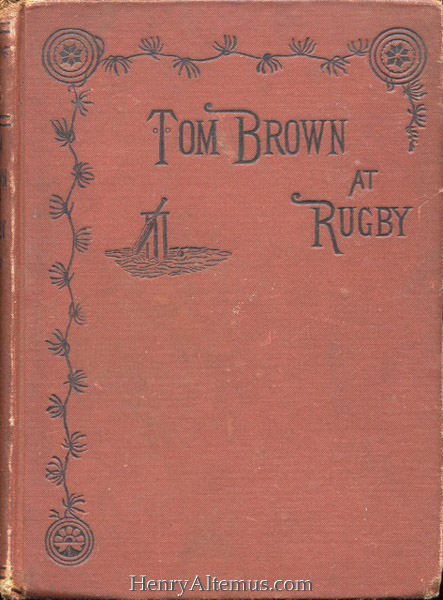
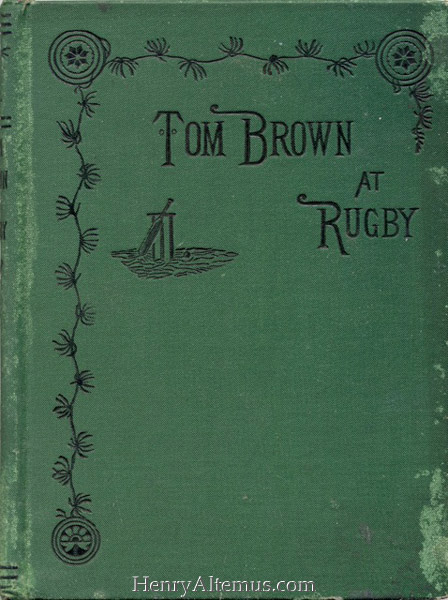
American News Company (1882, 1889 and 1901)The American News Company published the Tom Brown books
in several different formats. Its Peoples Edition included
both books and was published in 1889. In 1882 both titles
were part of its Excelsior Series. In 1901 it published
its Popular Empire Edition Series (Empire Classics). Both
titles were part of that series. |
||
|
||
|
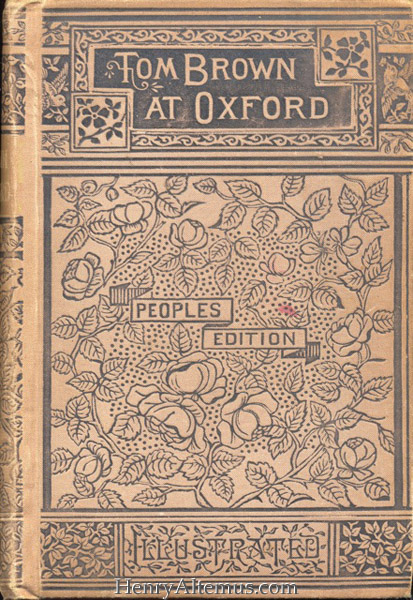
The Peoples Edition has been seen with two formats. Note that the first book cover is the same as the 1882 Excelsior Edition except where the Excelsior Book is printed on the cover, this book says People's Edition on the cover.
|
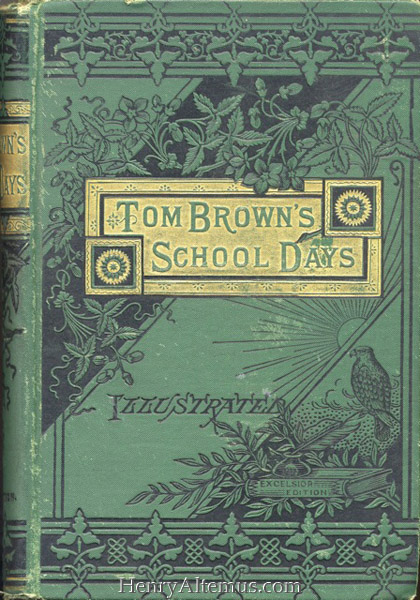
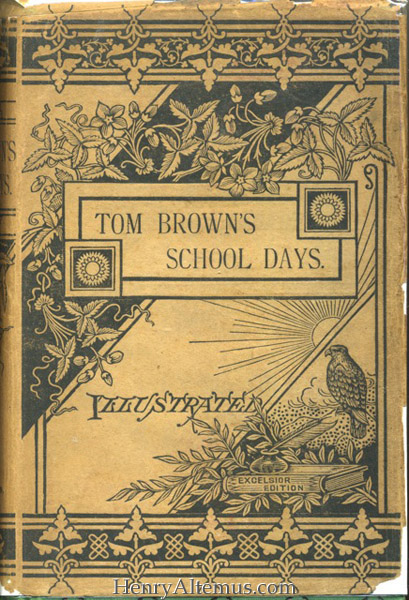
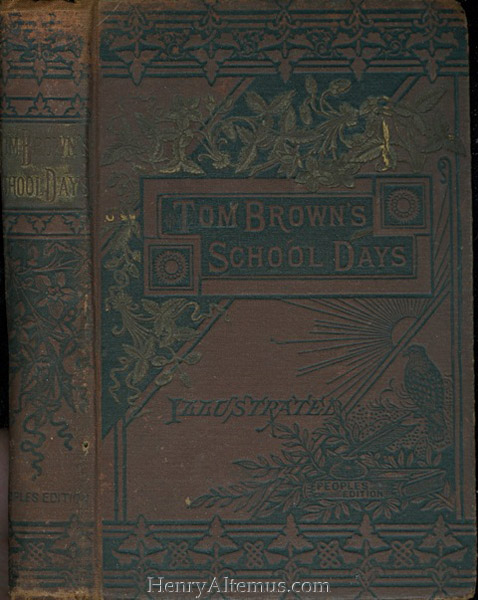
American Publisher's Corporation (ca. 1896-1897)This publisher was a successor to the United States Book
Company. It began its publishing in 1896 and went bankrupt
in 1897. As of this time three different formats of the
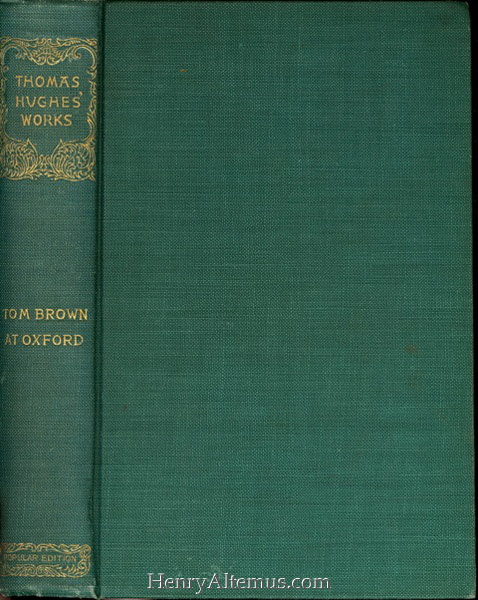
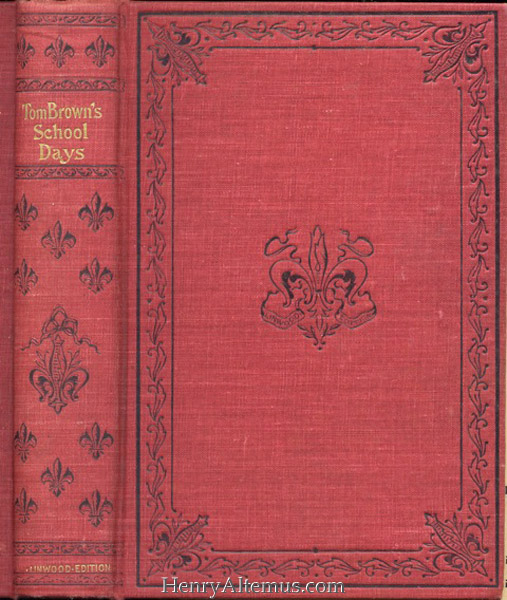
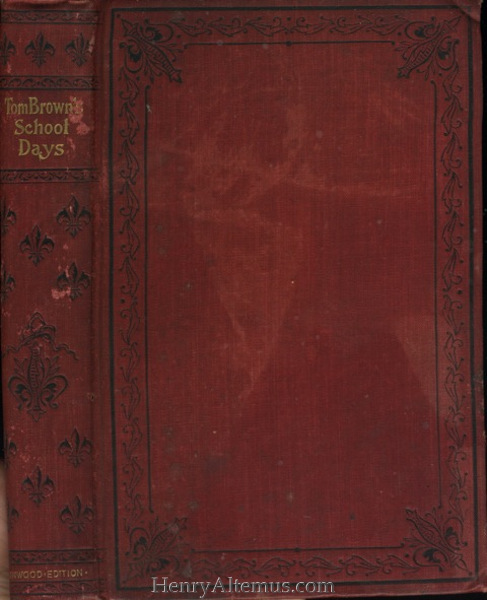
Tom Brown books have been seen. Both of these books are
School Days. |
||||
|
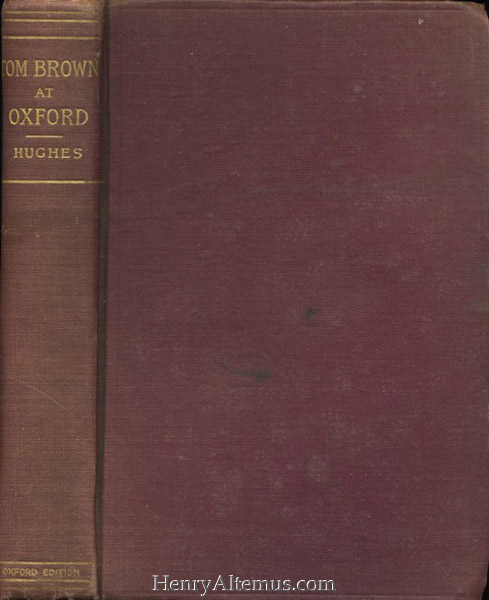
Henry Ashmead (1877)This Philadelphia publisher published both books in the same format in 1877. |
||
|
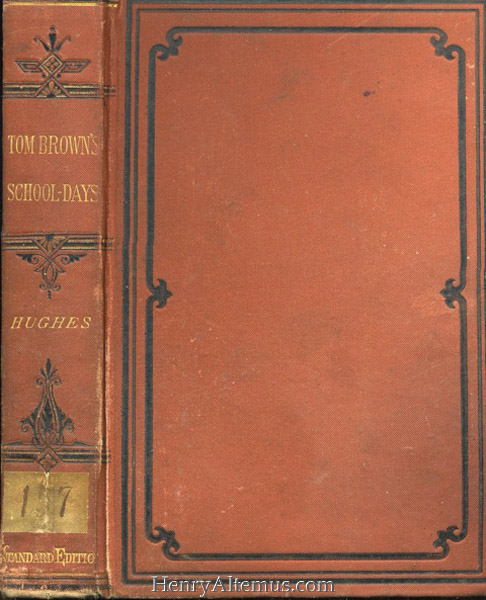
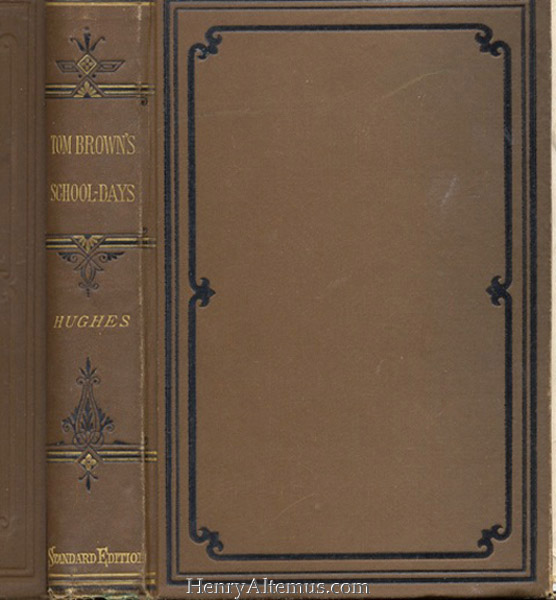
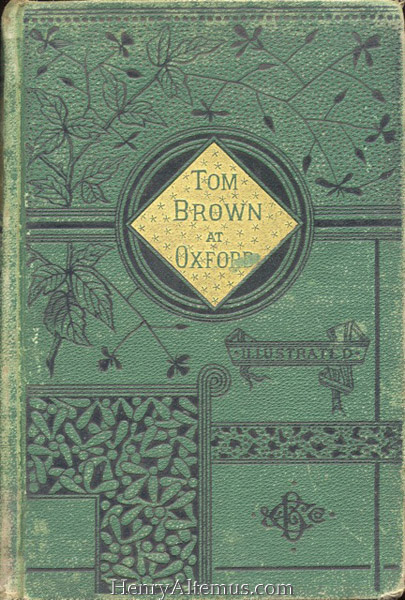
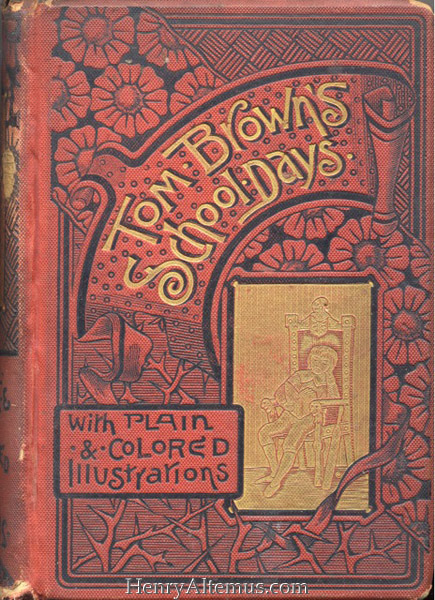
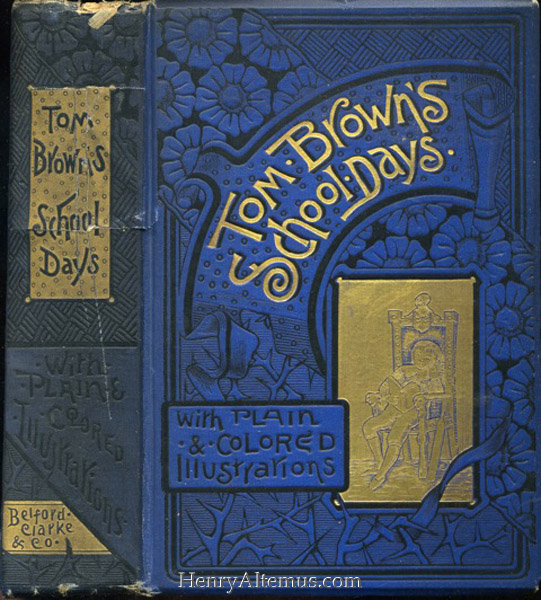
Belford, Clarke and Company (1880's)The Belford brothers emigrated from Ireland to Toronto in
1857. Charles Belford (1837-1880) was involved in the
newspaper business and was editor of both The Leader and
later the Toronto Mail. In 1876 he joined with his two
brothers Alexander (Aleck) and Robert to form the Belford
Brothers. This firm lasted two years and upon Charles'
withdrawal because of ill health, the remaining brothers
partnered with G. M. Rose in February, 1878 to form the
publishing house of Rose-Belford. |
||||||||||||||||||||||
|
||||||||||||||||||||||
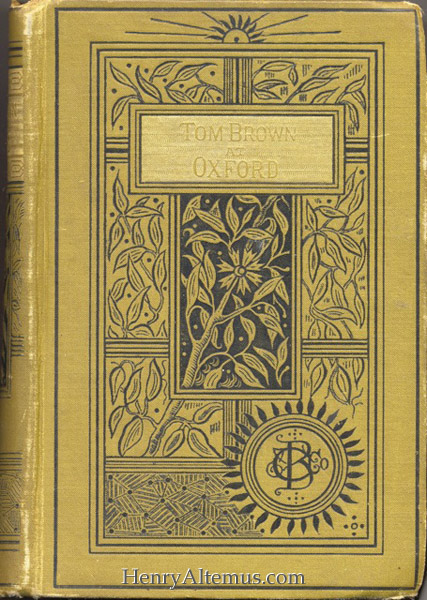
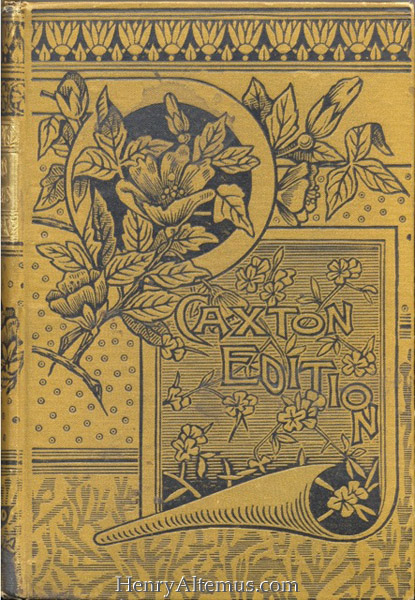
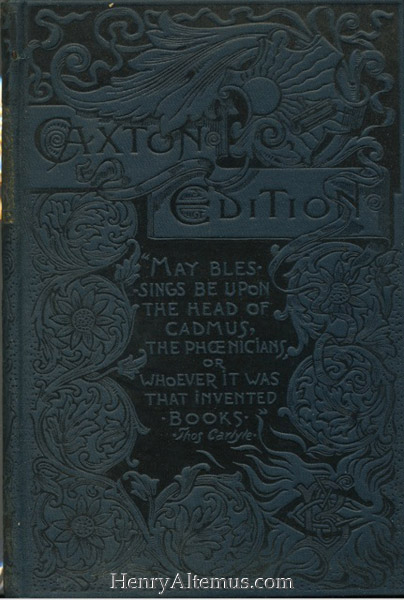
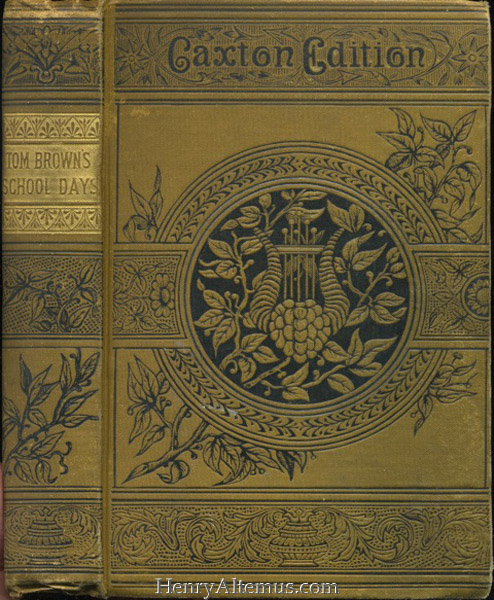
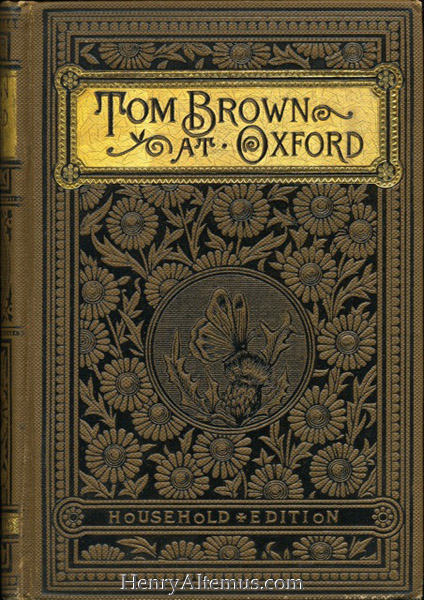
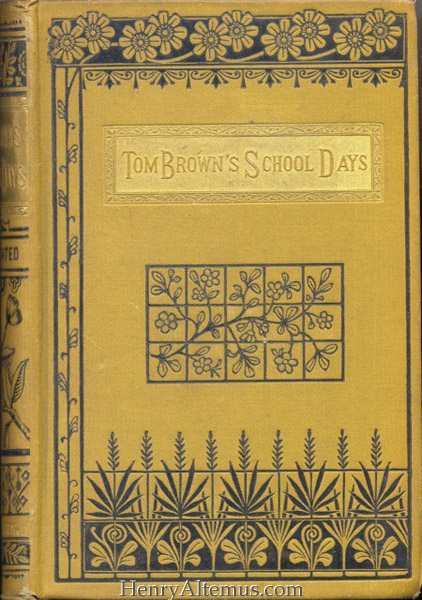
Bonanza Publishing Company (early 1890's)New York. This company published School-Days in the early
1890's. I have seen other books with this format and thus
assume that this Tom Brown is part of a publisher's
series. |
|
|
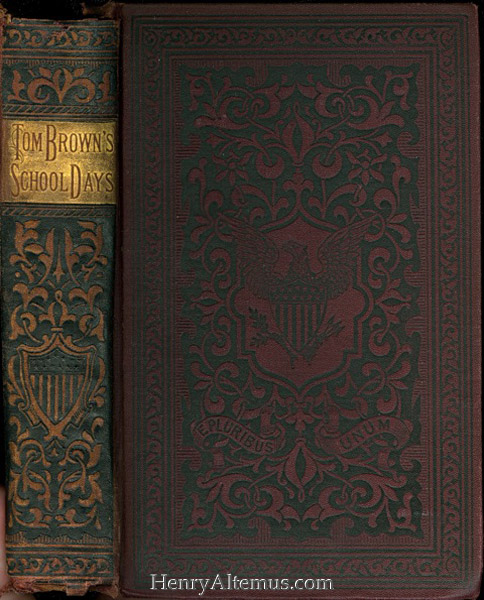
Burrows Brothers Company (1887)The Burrows Brothers Company of Cleveland, Ohio published
the Sterling Series in 1887. From all appearances it is
identical to the 50 volume Butler Brothers publisher's
series printed in the same year. The Burrows series
however included both School Days at Oxford and School
Days (at Rugby). It is quite certain that this series of
books had dust jackets although one has not as yet been
seen. |
|
|
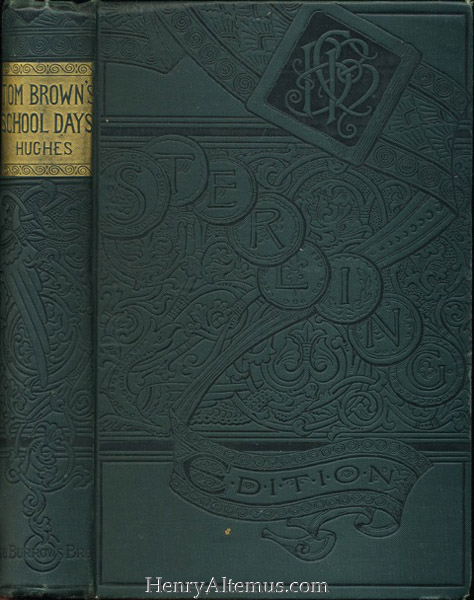
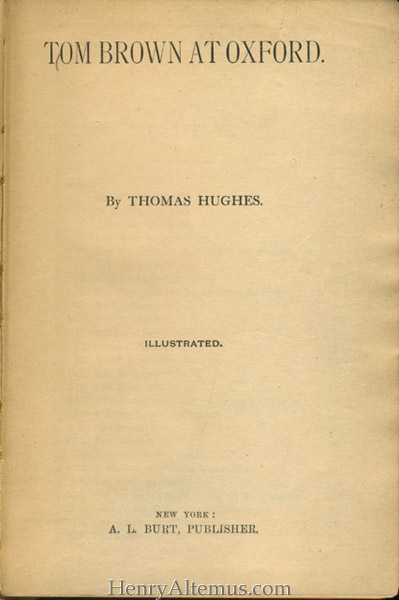
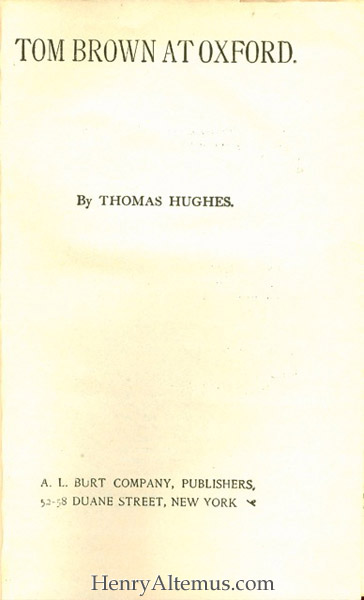
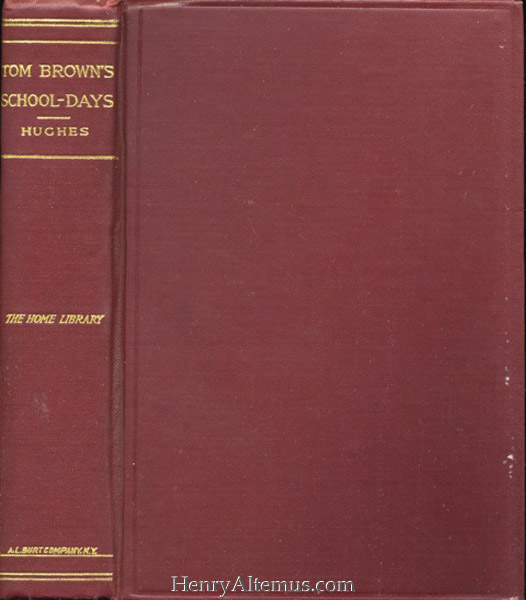
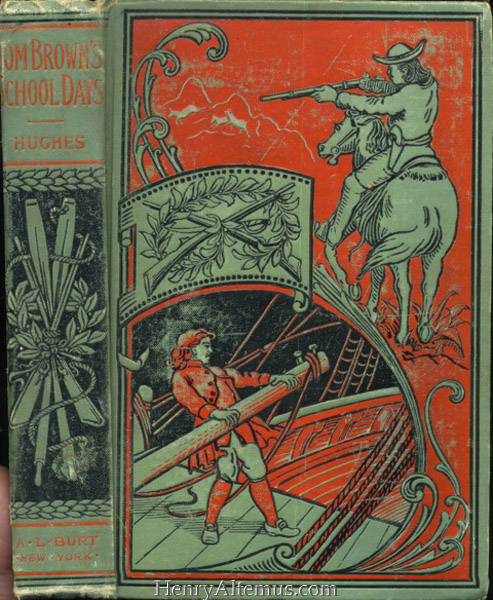
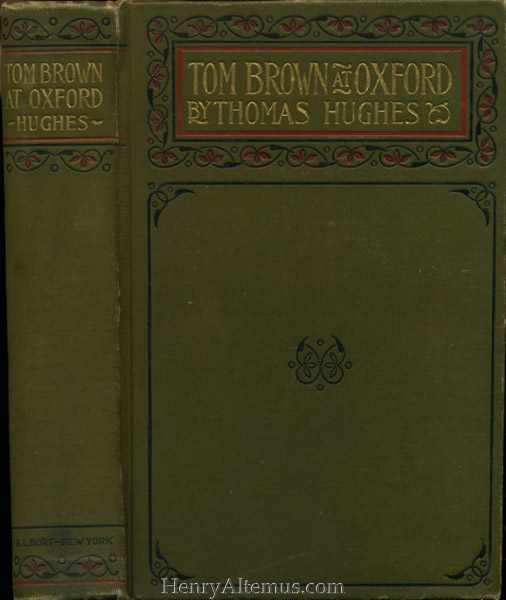
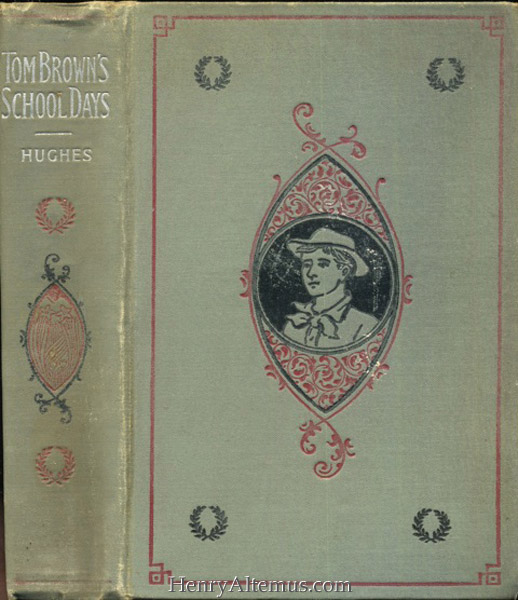
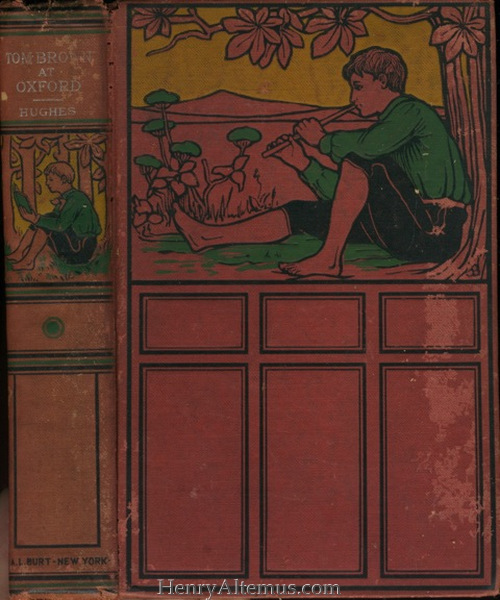
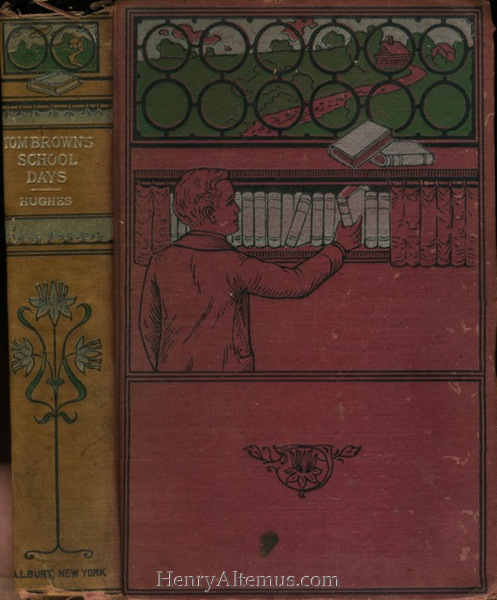
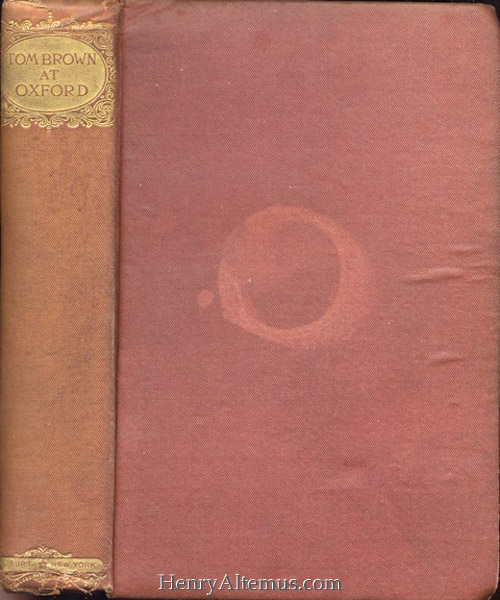
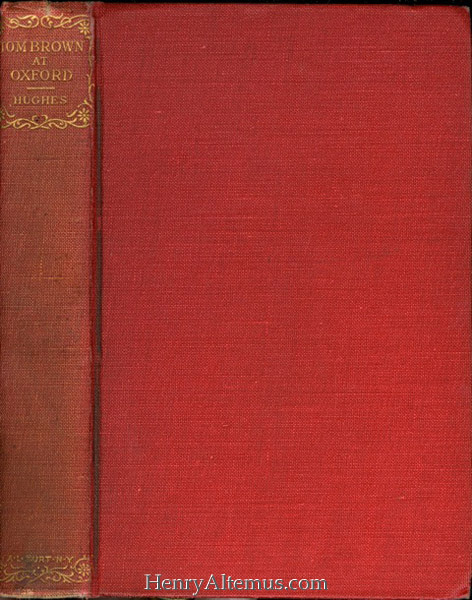
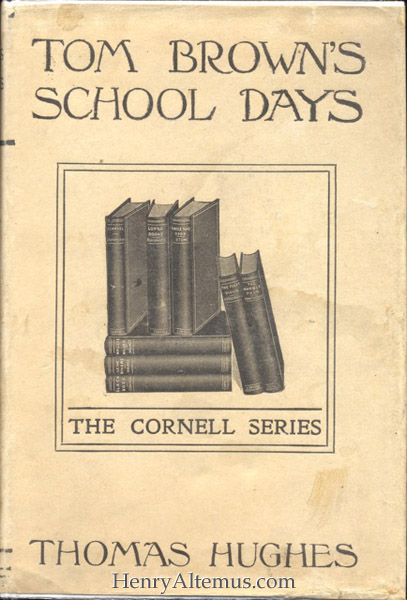
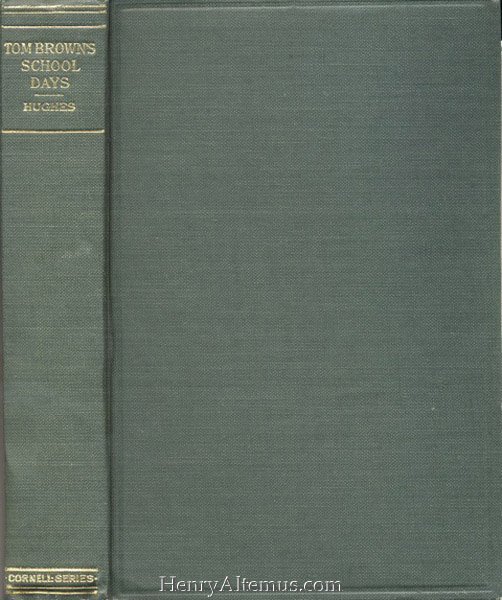
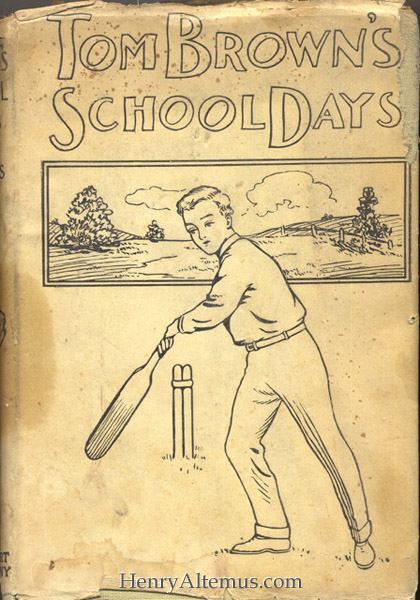
A. L. Burt Company (1883-late teens)New York. Burt was founded by Albert Burt in 1883. It was
mainly a publisher of reprinted books in series. Burt
incorporated in 1902. |
|||||||||||||||||||||||||||||||||||||||||||||||
|
|||||||||||||||||||||||||||||||||||||||||||||||
|
The Tom Brown books were part of several A. L. Burt
(Company) series. |
|||||||||||||||||||||||||||||||||||||||||||||||
|
|||||||||||||||||||||||||||||||||||||||||||||||
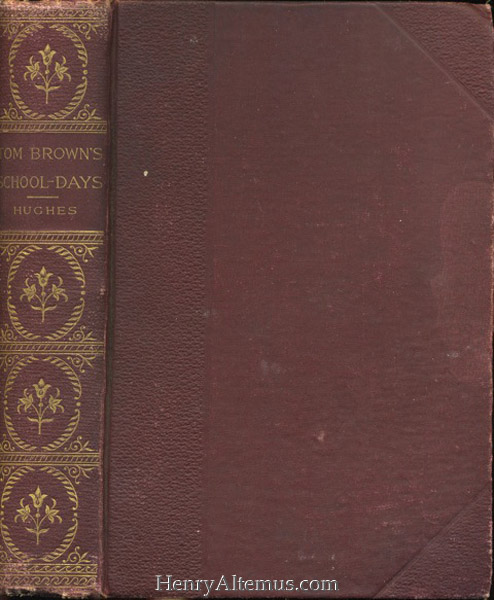
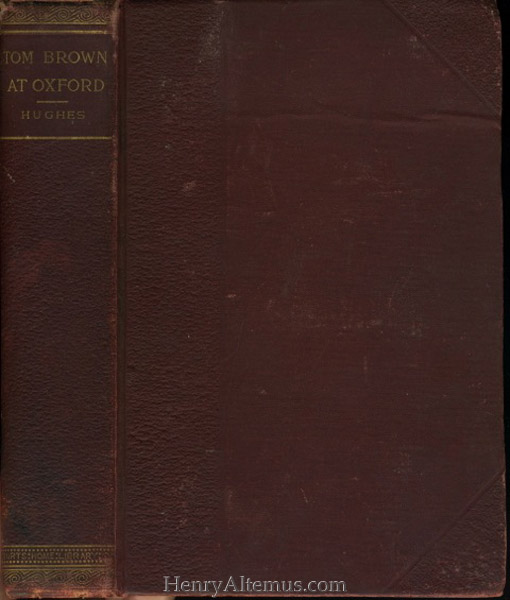
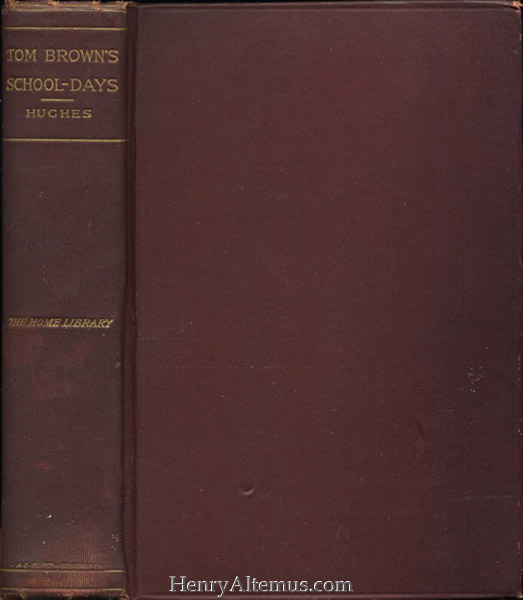
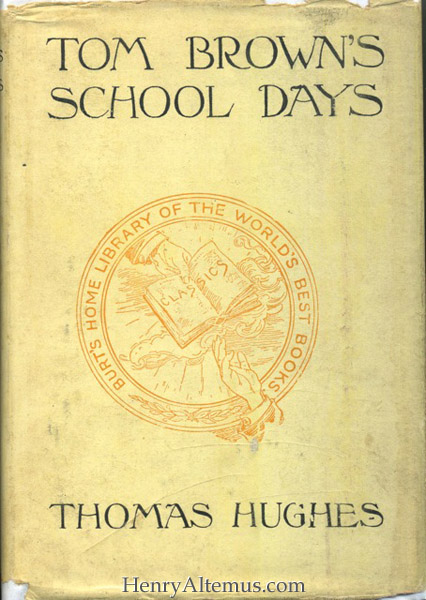
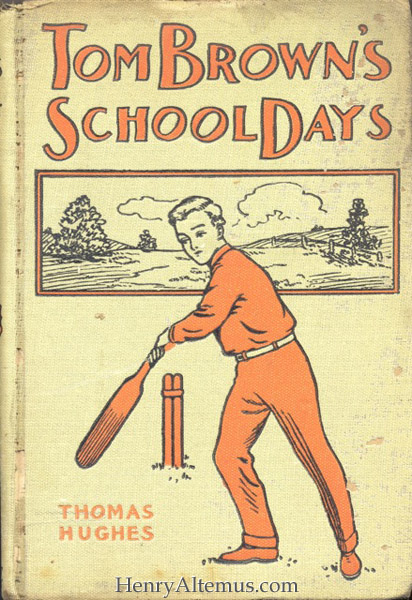
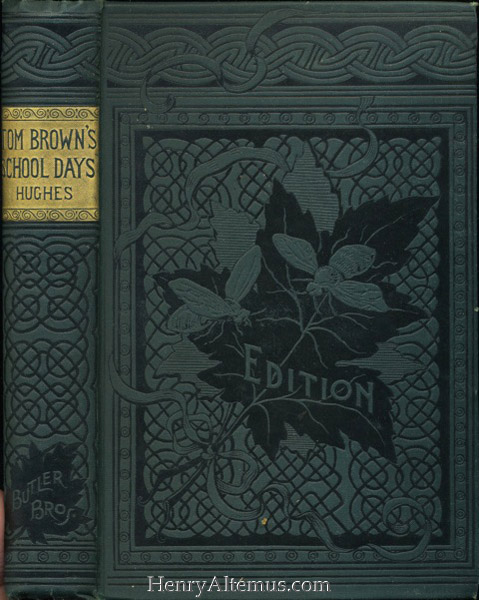
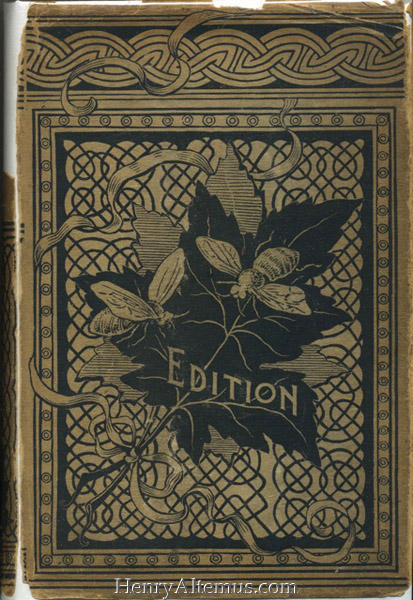
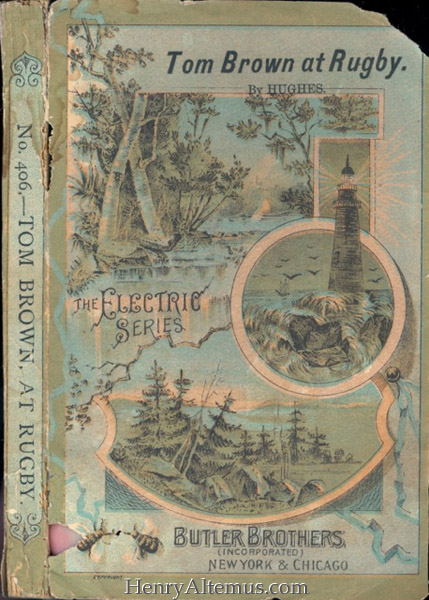
Butler Brothers (1887)Butler Brothers advertised a 50 volume 12 mo set which
included School Days in 1887. Its interior is identical to
the Burrows Brothers' book. Oxford is not included in
Butler's list as opposed however to the Burrows Brothers'
list. |
|||
|
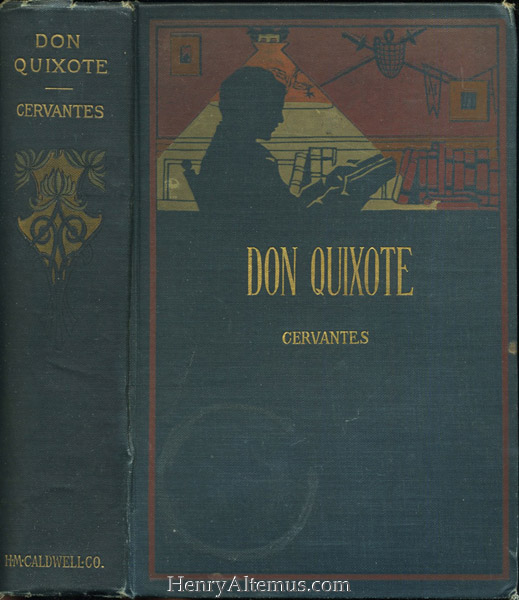
H. M. Caldwell (1896-1913)Boston and New York. |
||||||||||||||||||||||||||||||||||||||||||||
|
||||||||||||||||||||||||||||||||||||||||||||
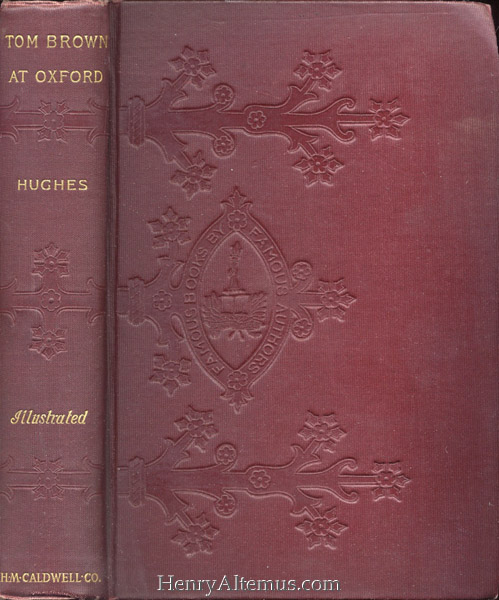
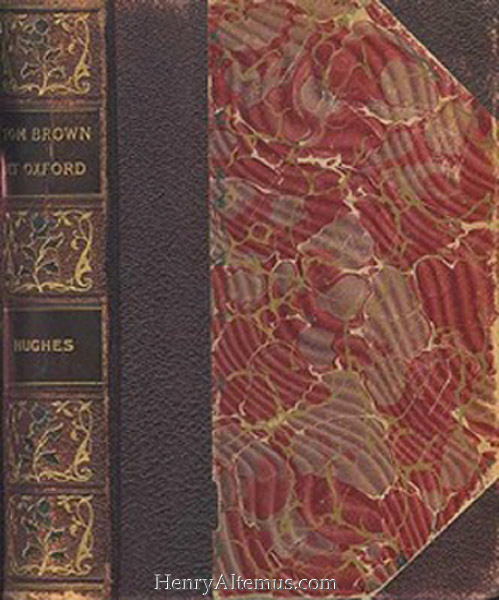
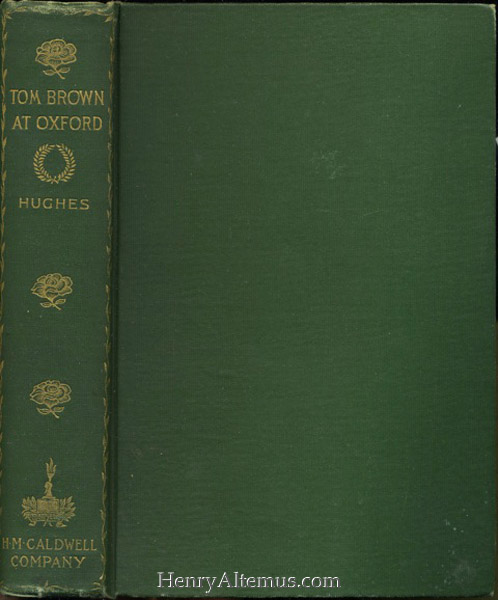
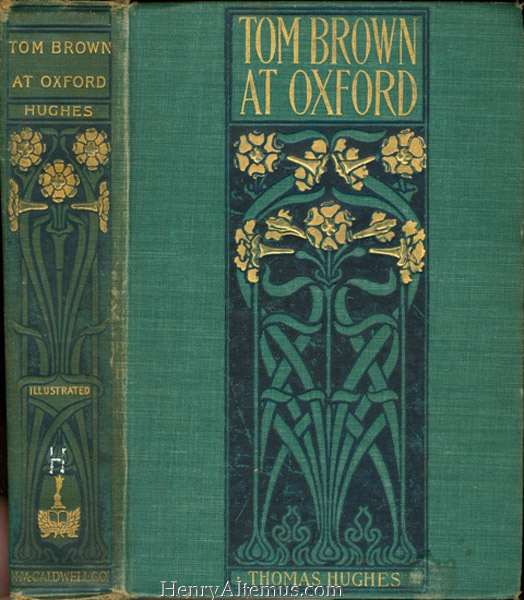
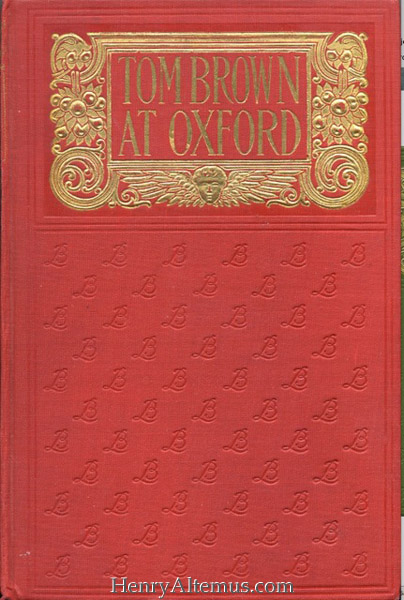
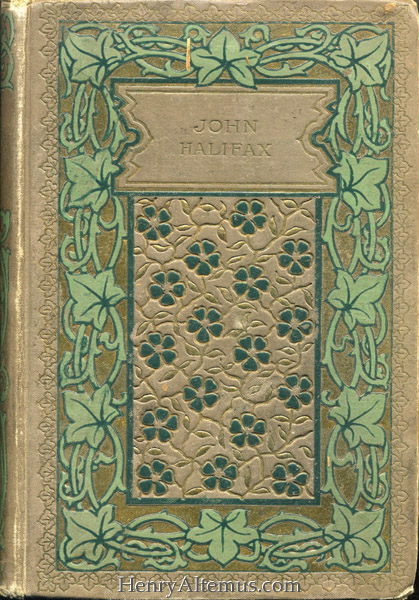
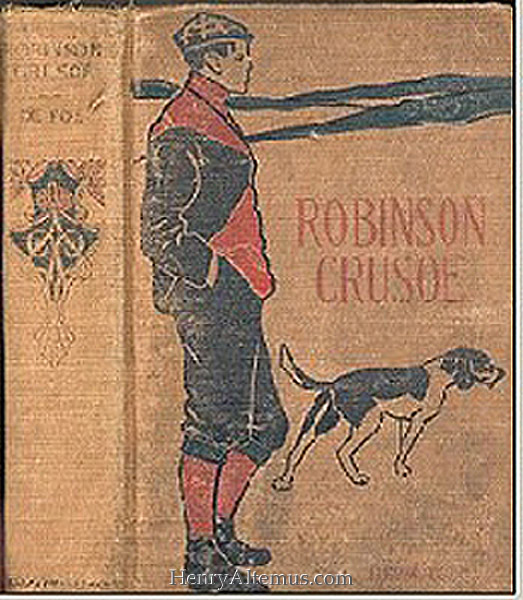
Chatterton-Peck Company (1906)New York. The Chatterton-Peck Company purchased the
Mershon Publishing Company in 1906. Many of the new
Chatterton-Peck juvenile books were initially published by
Mershon prior to 1905 and later by its successor The Stitt
Publishing Company in 1905. Prior to the 1906 takeover,
Mershon succeeded Stitt just like Stitt had succeeded
Mershon. |
|
|
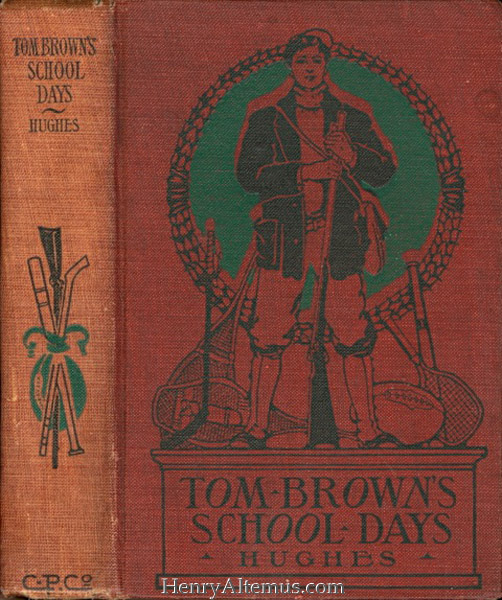
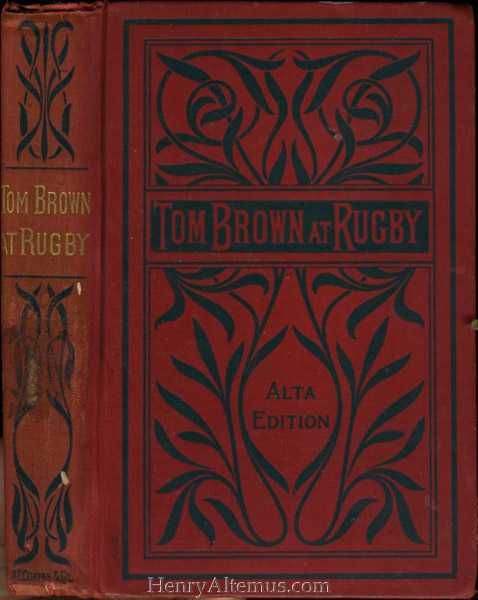
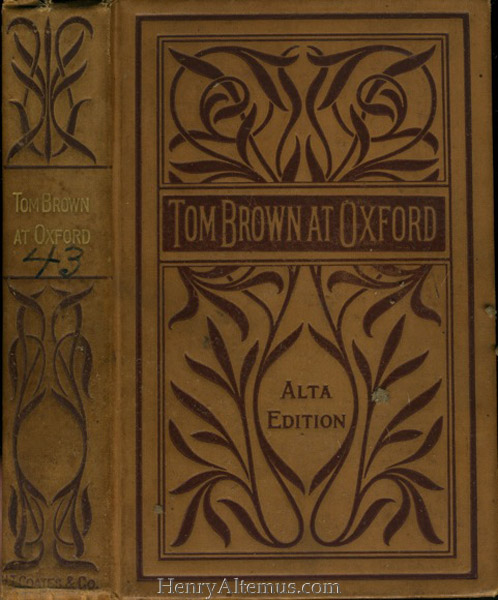
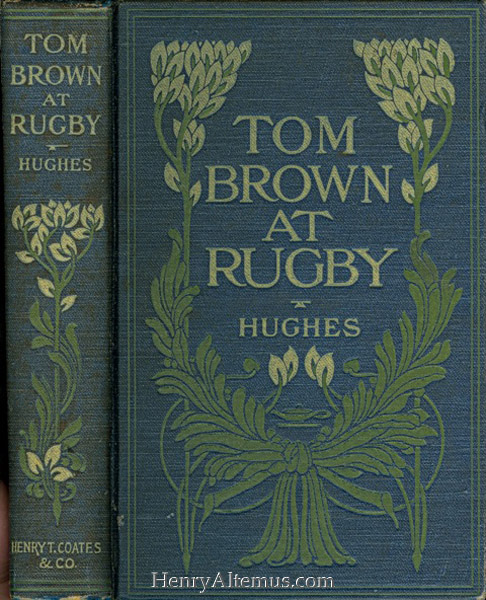
Henry T. Coates and Company (1895-1904)Philadelphia. Henry T. Coates and Company succeeded
Porter andCoates and was bought out by John Winston
Company in 1904. |
||||
|
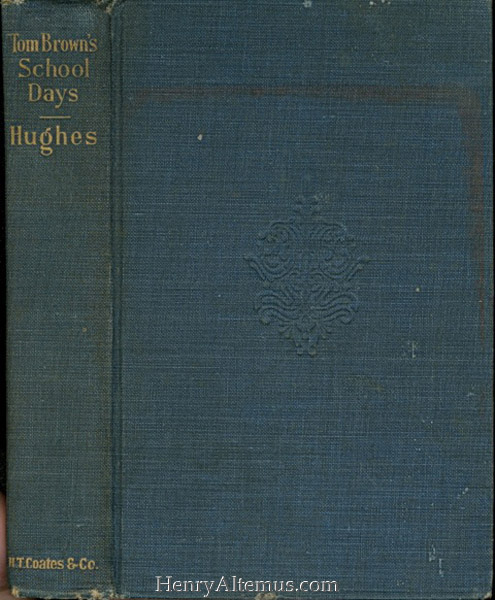
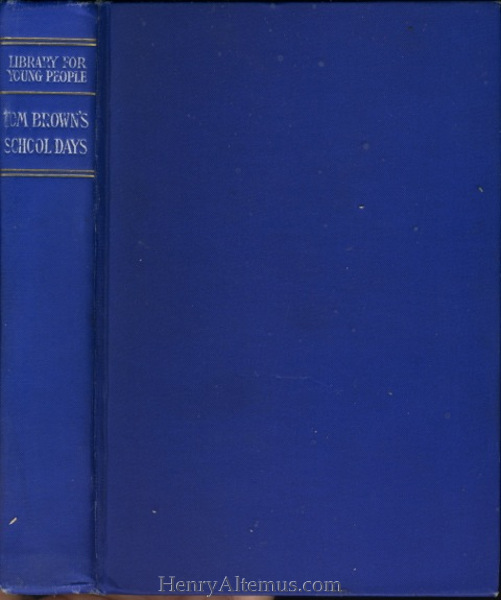
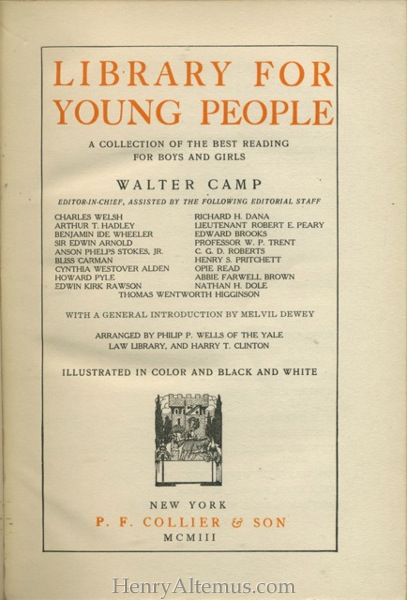
P. F. Collier & Son (1903)New York. In 1903 Collier published Tom Brown's School
Days. It is Volume XVI of the "Library for Young People".
The set was sold by subscription. The purchaser received a
monthly volume for 90 cents. The editor of the set was
Walter Camp. This set had at least 20 titles. It does not
appear that Tom Brown at Oxford was part of it. |
||
|
Columbian Publishing Co. (1891)New York. This firm published this Tom Brown book in
1891. |
|
|
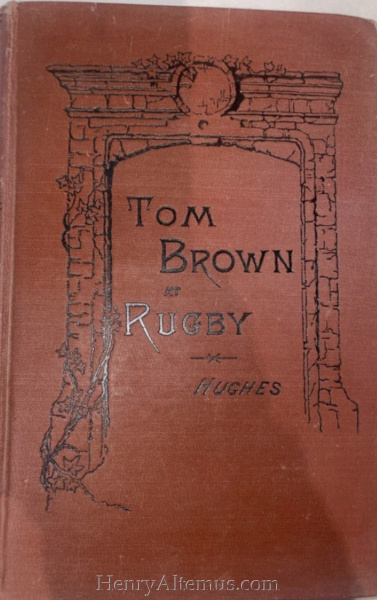
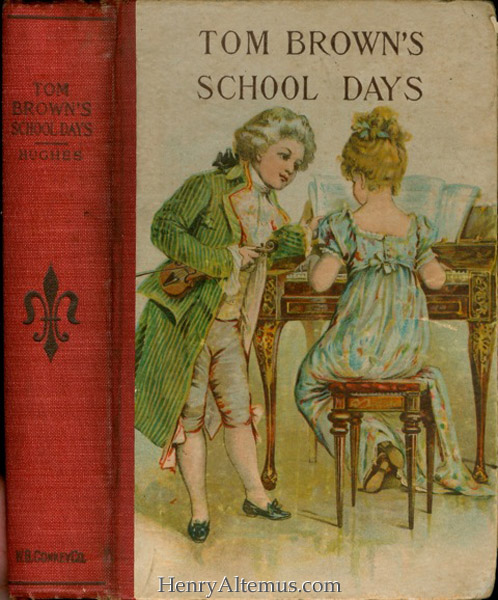
W. B. Conkey Company (Early 1900's)Chicago and Hammond, Indiana. |
||||||||||||||||||||||||||||||||||||
|
||||||||||||||||||||||||||||||||||||

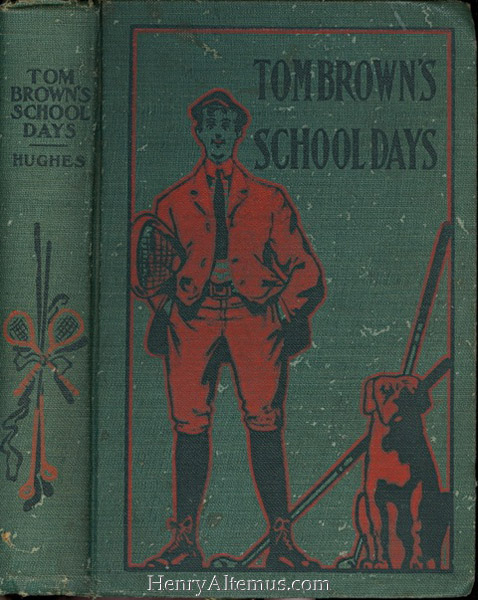
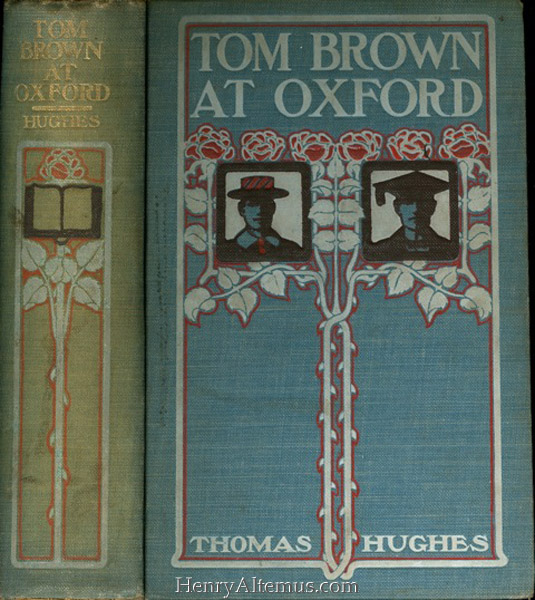
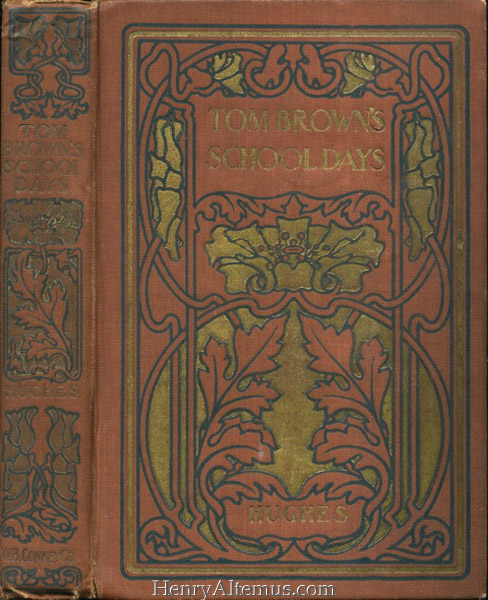
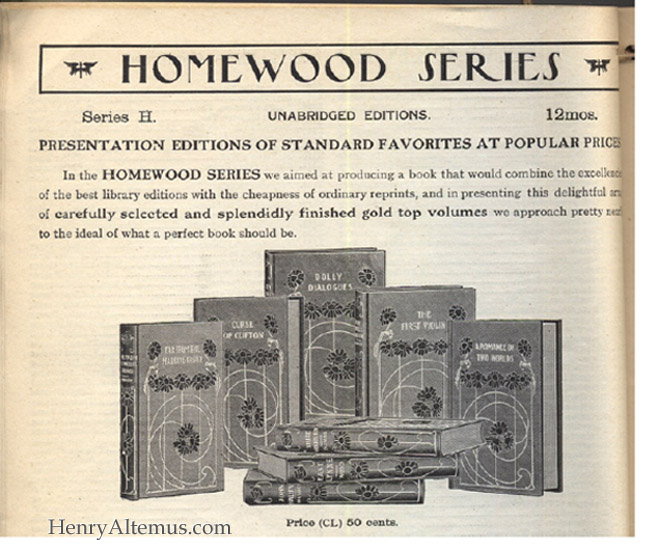
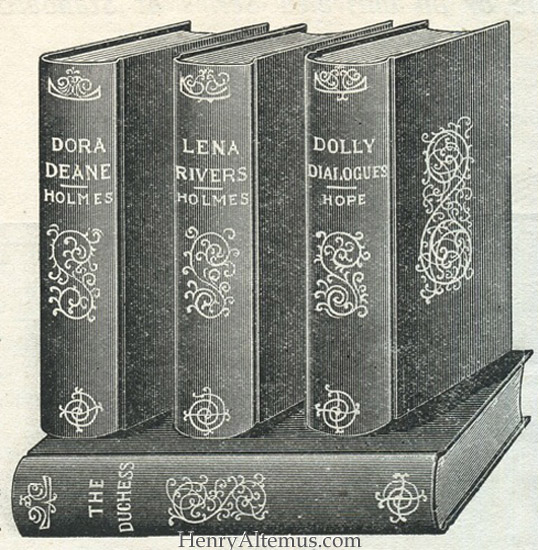
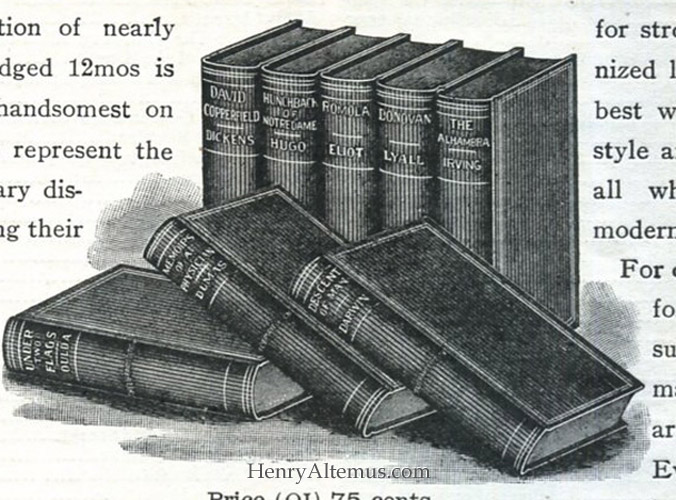
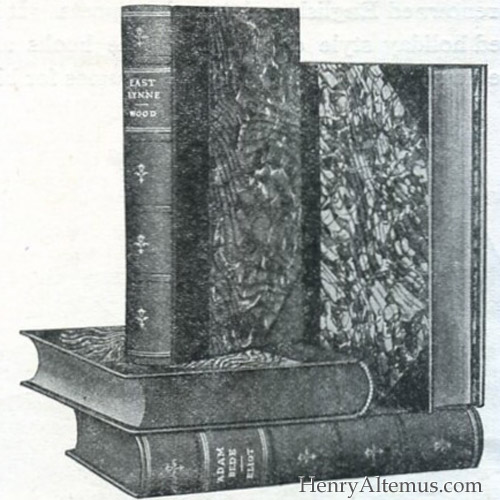
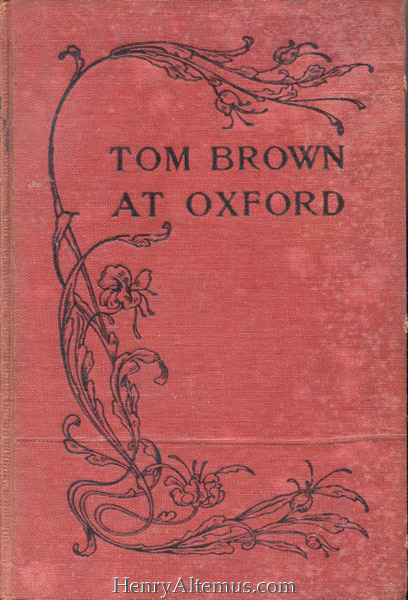
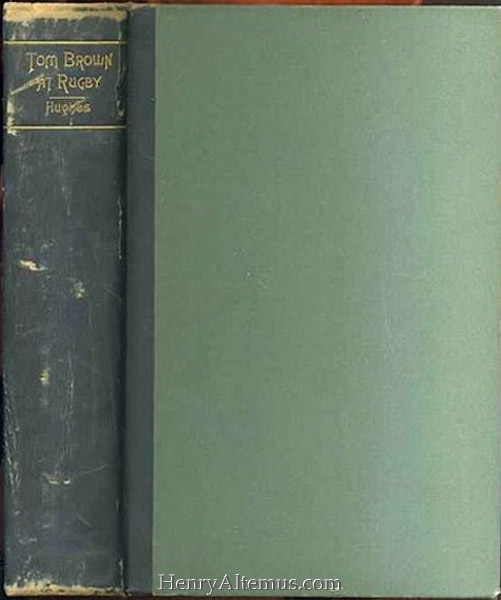
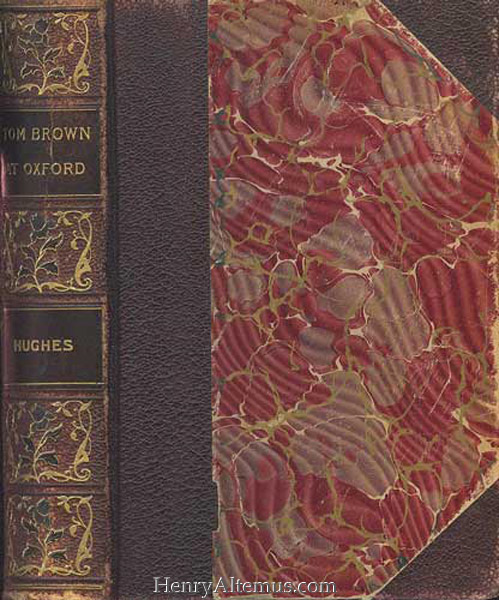
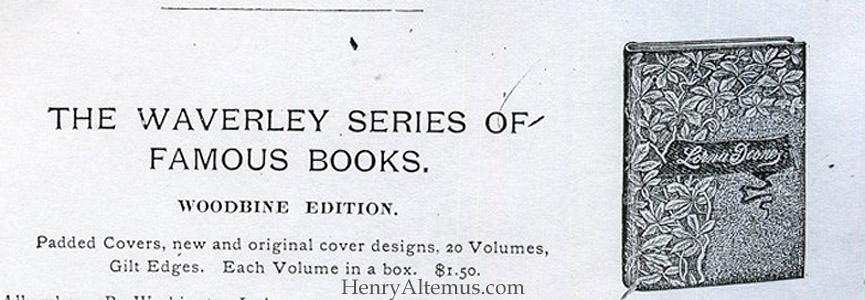
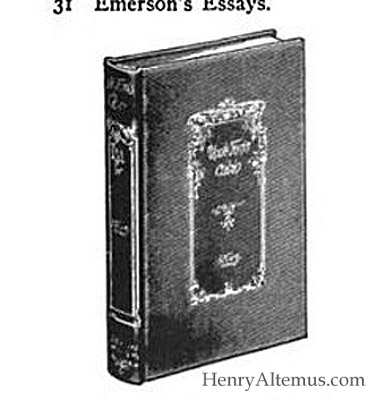
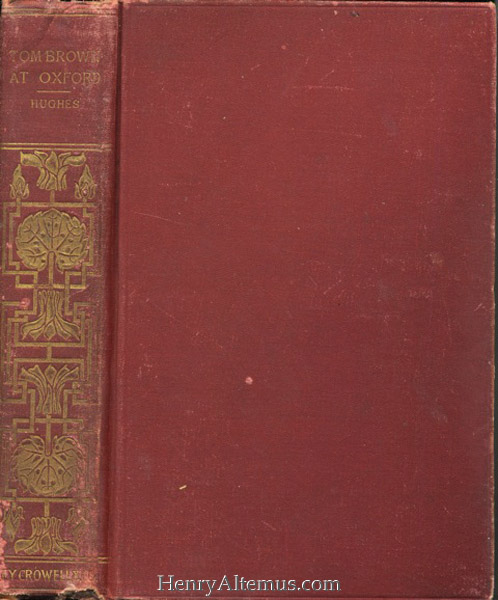
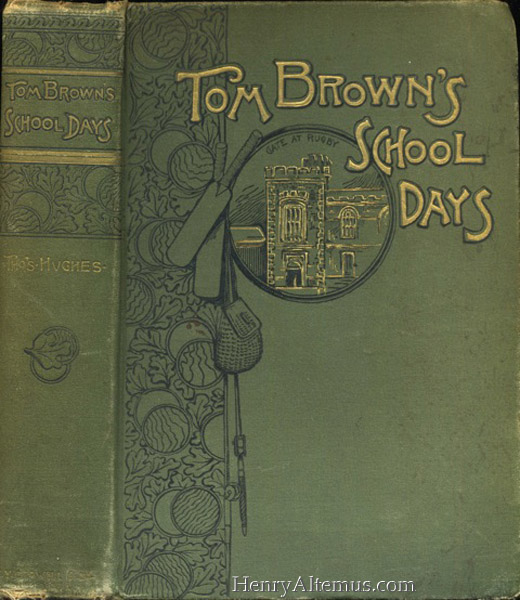
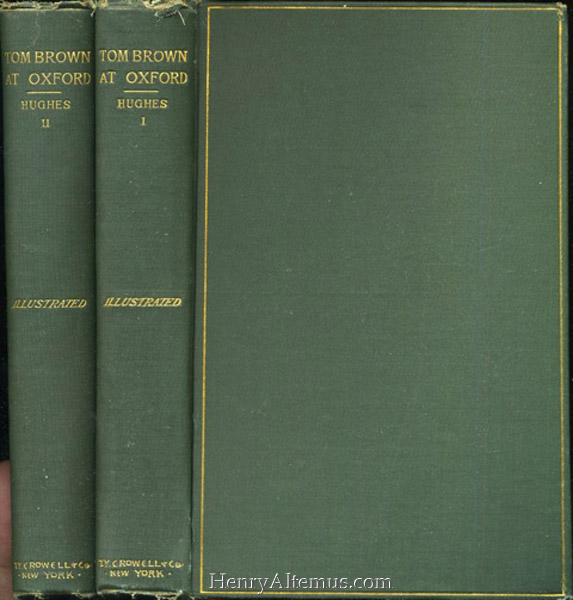
Thomas Y. Crowell and Company (1879-1902)In 1870 Thomas Y. Crowell, successor to Benjamin
Bradley,opened its doors for business. In 1875 after
purchasing the stock of a small religious publisher,
Warren and Wyman, Thomas Y. Crowell became Thomas Y.
Crowell and Company. For more than a century this New York
publishing house was a major player in the publishing
world. Its book lists included numerous titles from all
areas of literary endeavor. |
|||||||||||||||||||||||||||||||||||||||||
|
|||||||||||||||||||||||||||||||||||||||||
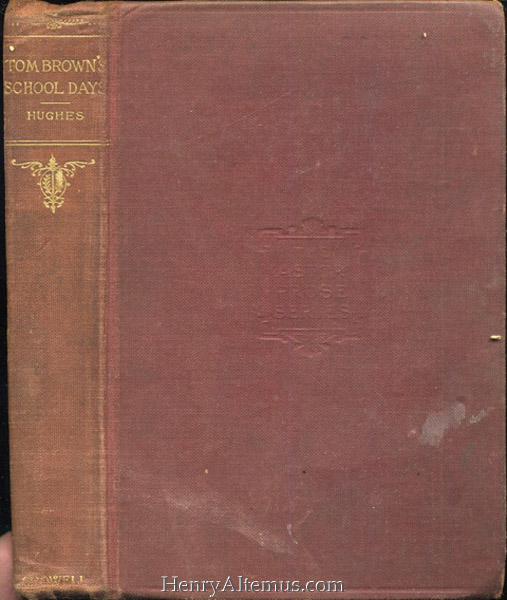
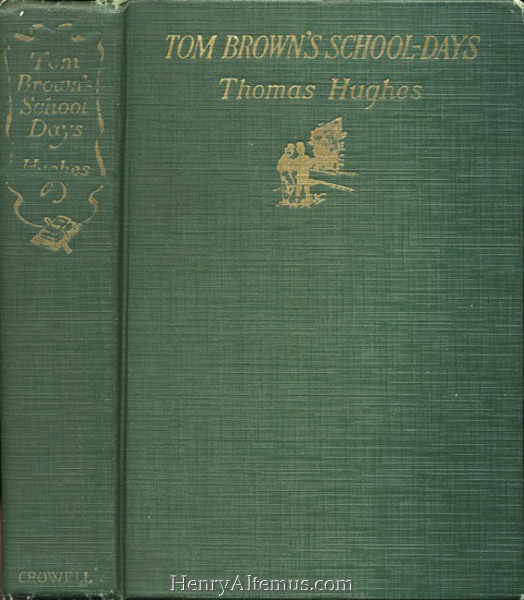
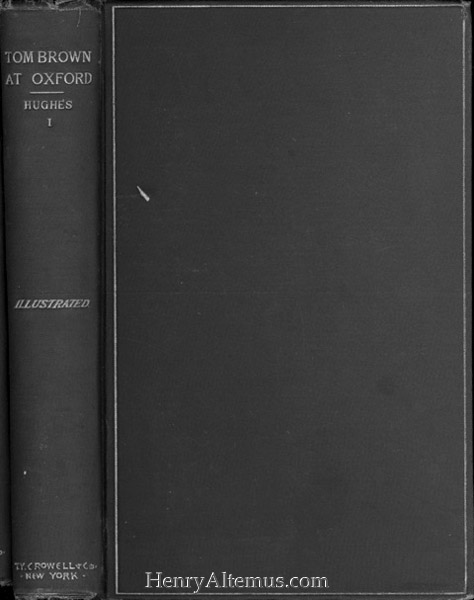
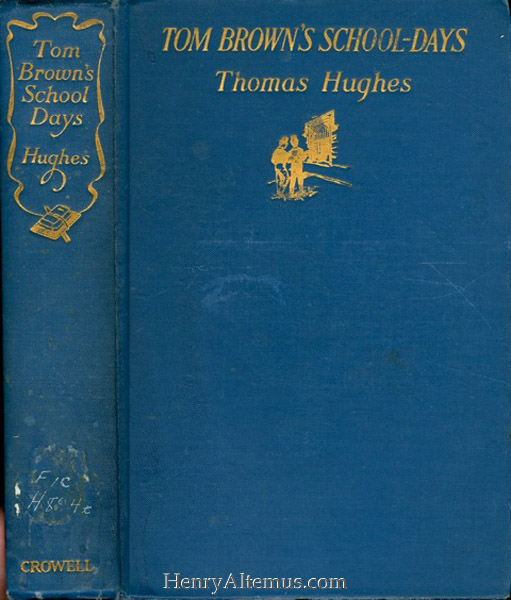
William H. Davis (1891)William H. Davis published School Days in 1891 as #16 in the Eureka Series of Standard Popular Fiction. This book was in wraps. This virtually unknown publisher was located in New York City. |
|
|
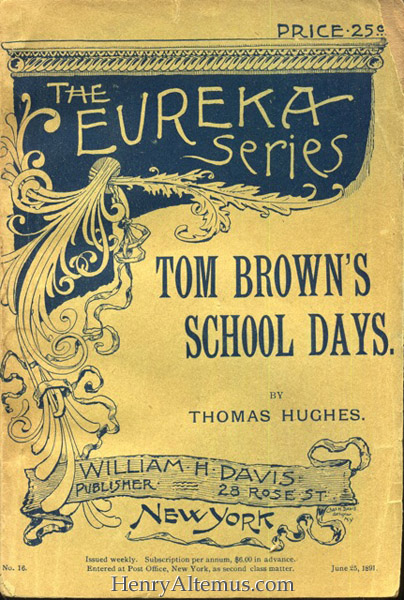
Dewolfe, Fiske and Company (early 1880's)In the early 1880's this company published School Days in
the Popular Twelve mo. Classics. It has been seen with
several cover colors. |
||
|
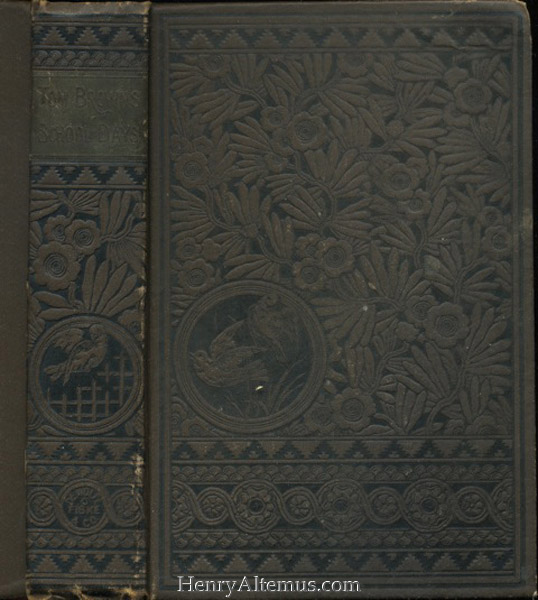
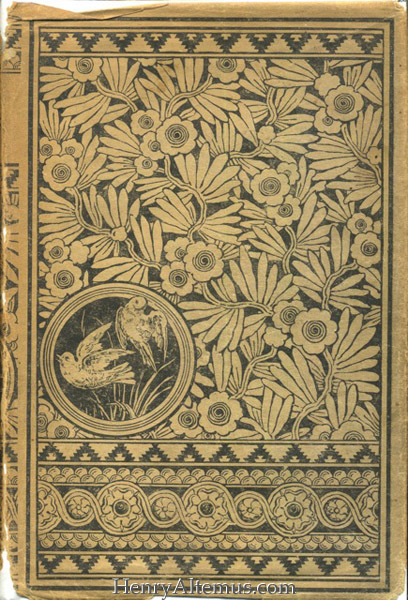
Dodd, Mead and Company (1870-1876)New York. Dodd, Mead and Company was the final successor
to several earlier 19th century publishers. Taylor and
Dodd (1839-1840) gave way to M.W. Dodd (1840-1870) and
finally to Dodd and Mead from 1870 to 1876 when the final
iteration -Dodd, Mead and Company came into being. This
New York publisher has been a major player in the
publishing world for more than a century. Literature,
biography and fiction have been a mainstay. Children's
books have not been a significant product although it did
publish Martha Finley's Elsie books and a number of Jacob
Abbott's Series. |
|
|
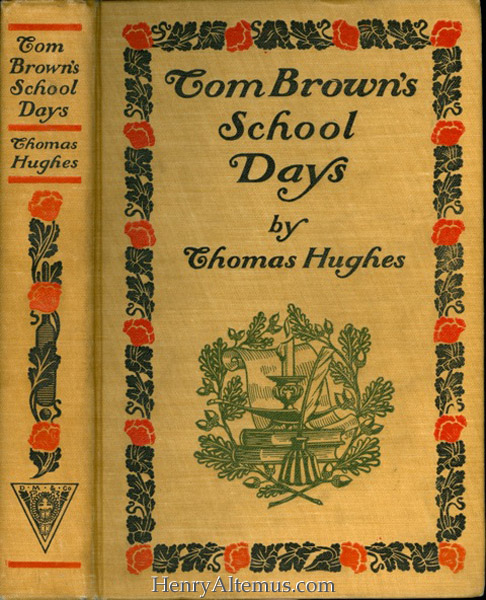
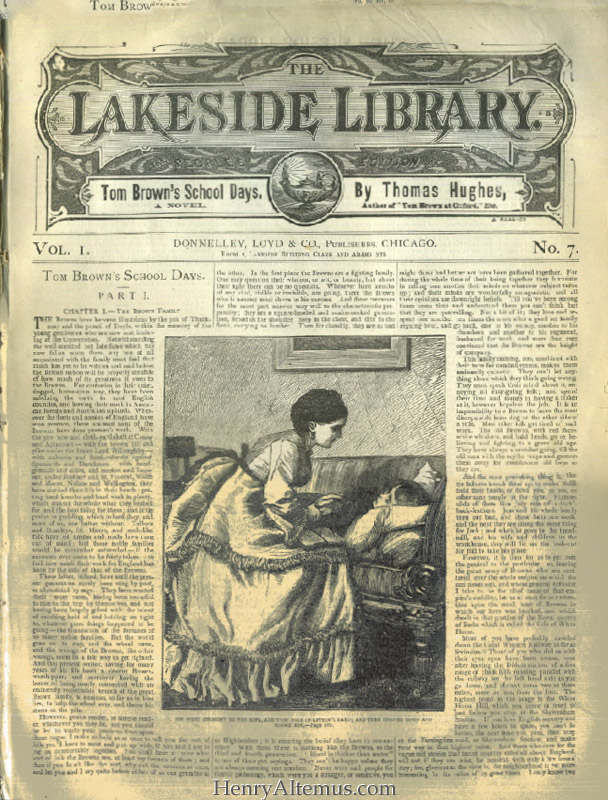
Donnelley, Loyd and Company (1875-1876)Donnelley, Loyd and Company, publishers from Chicago,
printed their Lakeside Library starting in 1875. In the
108 volume library of small folio paperbacks Tom Brown's
Schooldays was Number 7 and was published in 1875 and Tom
Brown at Oxford was numbers 46 and 47 published in 1876. |
|
|
Donohue Brothers (1900)Michael A. Donohue (1841-1915) and William Henneberry
founded Donohue, Henneberry and Company in 1878. |
|||
|
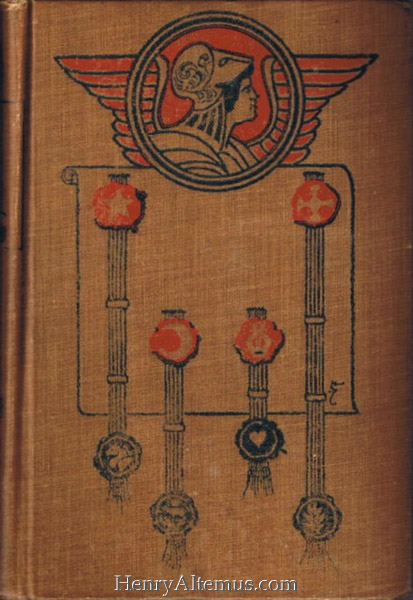
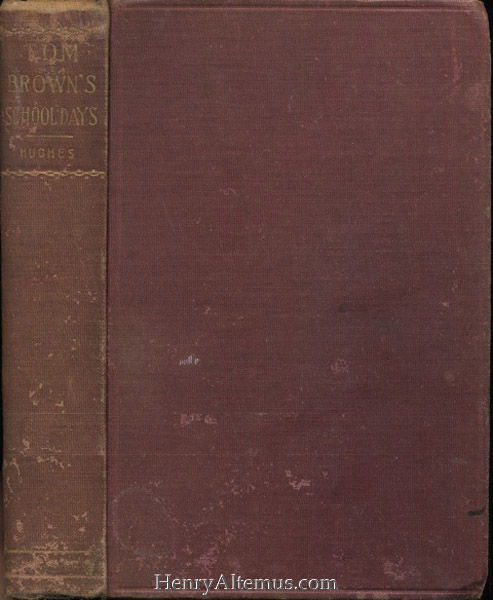
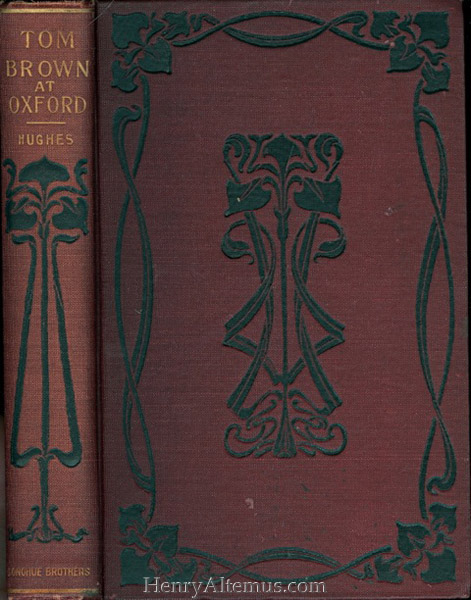
M. A. Donohue and Company, Chicago, New YorkThe Donohue Brothers firm succeeded Donohue, Henneberry
in 1900. Michael A. Donohue and William Henneberry founded
Donohue, Henneberry and Company in 1879. Initially it was
exclusively a bookbinder but as time went on it did more
and more publishing. As with most of the reprint
publishers of this era, a majority of its books were
published as parts of a publisher's series. |
||||||
|
||||||
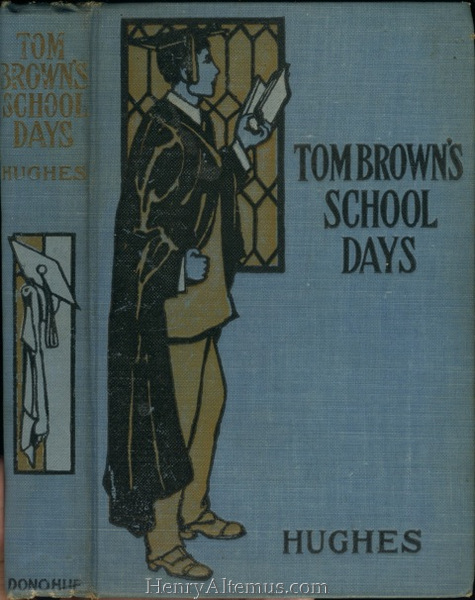
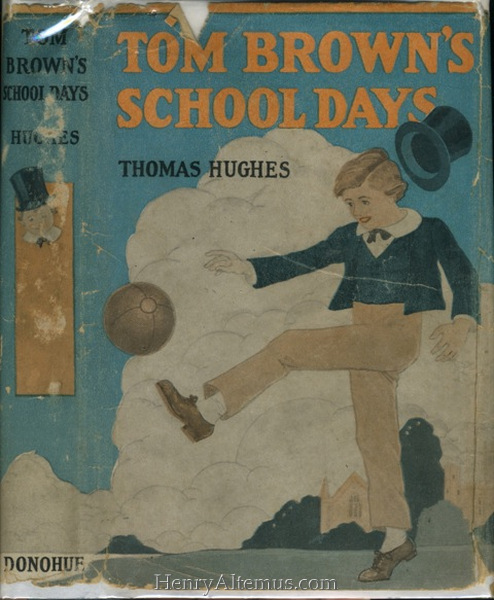
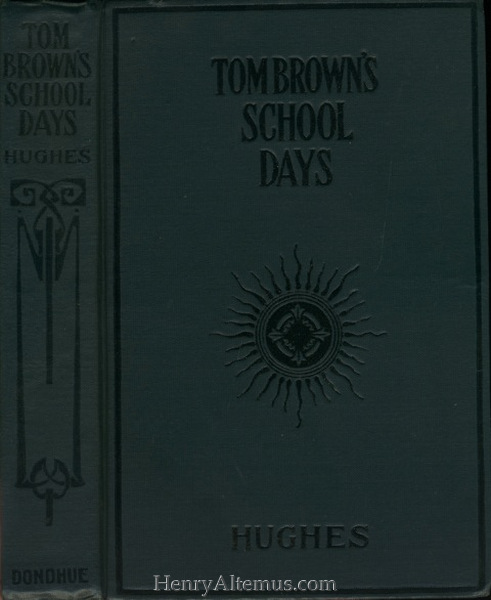
Donohue, Henneberry and Company (1890's)Michael A. Donohue and William Henneberry founded this
company in 1879. Initially it was a bookbinder exclusively
but as time went on it did more and more publishing. As
with most of the reprint publishers during this era, a
majority of its books were published as parts of
publisher's series. In 1900 Donohue bought out Henneberry
and formed Donohue Brothers. By 1901 the Donohue Brothers
became M. A. Donohue and Company. |
|||||||||
|
|||||||||
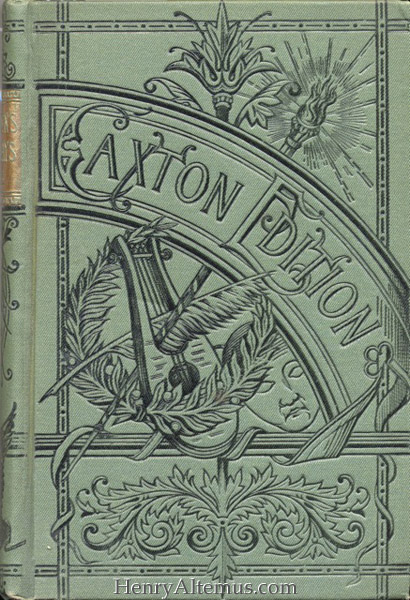
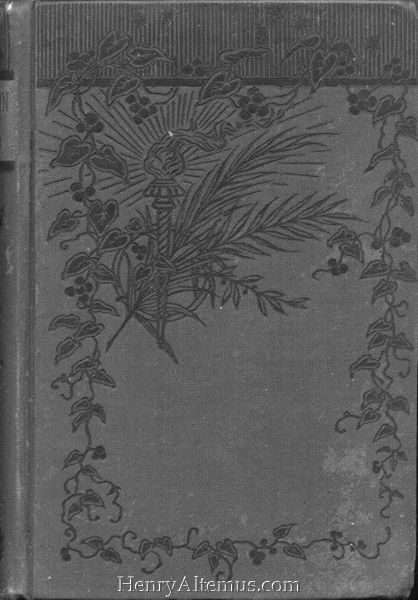
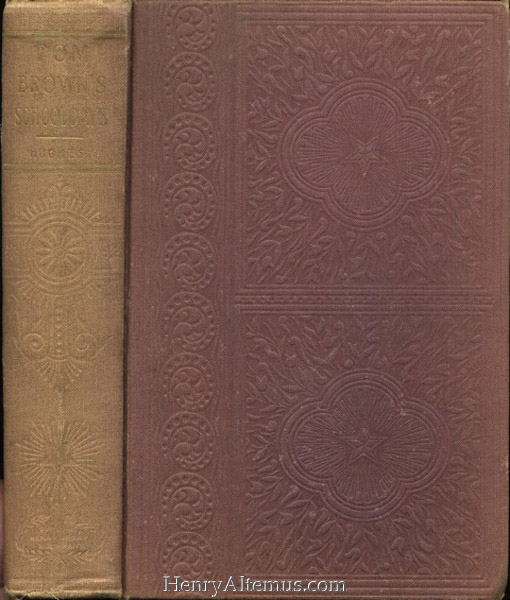
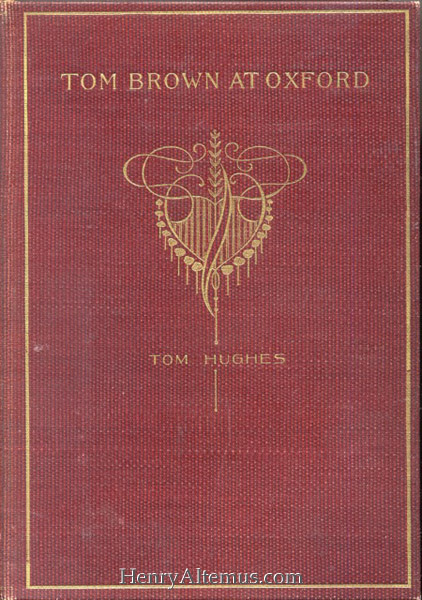
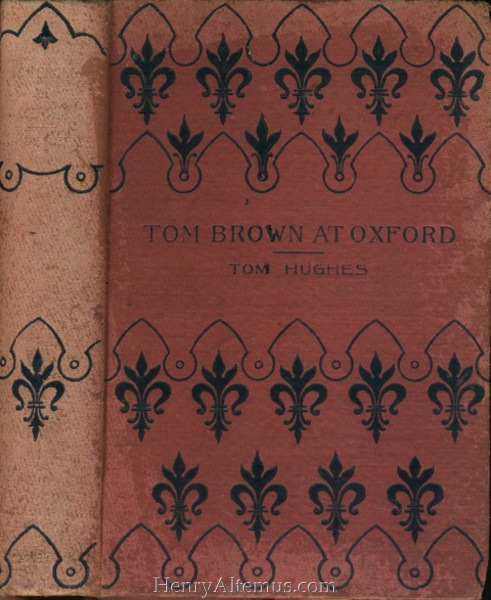
Educational Publishing Company (1894)This company published Tom Brown's School Days in 1894.
It is in wraps and part of the Young Folk's Library of
Choice Literature. |
Estes and Lauriat (1894)This publishing firm had its origins when Dana Estes
joinedHenry Degen. The Degen, Estes and Company publishing
firm was the immediate predecessor to Estes and Lauriat
which was founded in 1872. Because of financial
difficulties Charles Lauriat left the publishing firm in
1898 and Dana Estes carried on with Dana Estes and
Company. This publisher was well known for deluxe
bindings. Among its most well known publications were the
Zigzag books by Hezekiah Butterworth. |
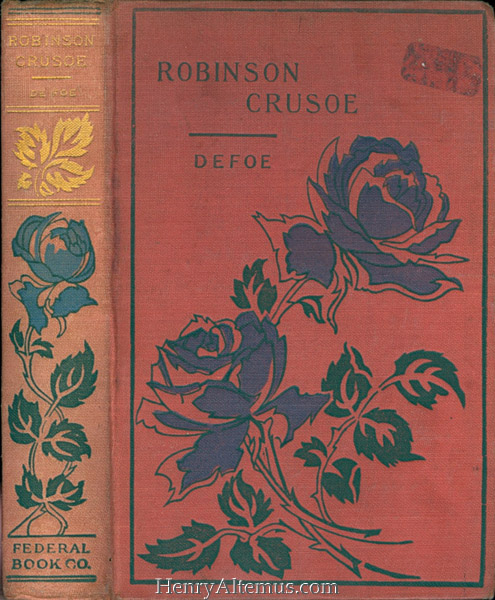
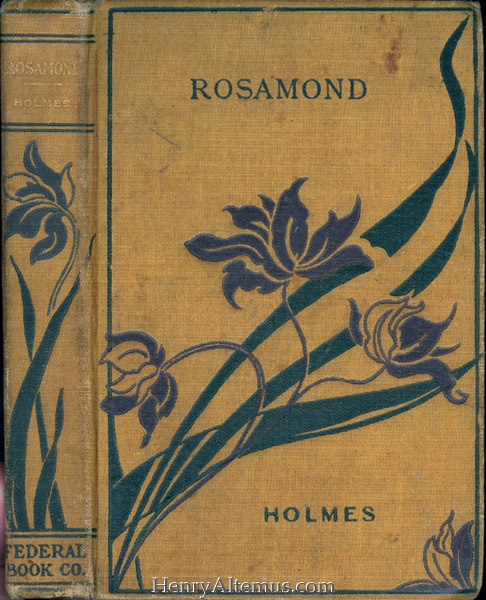
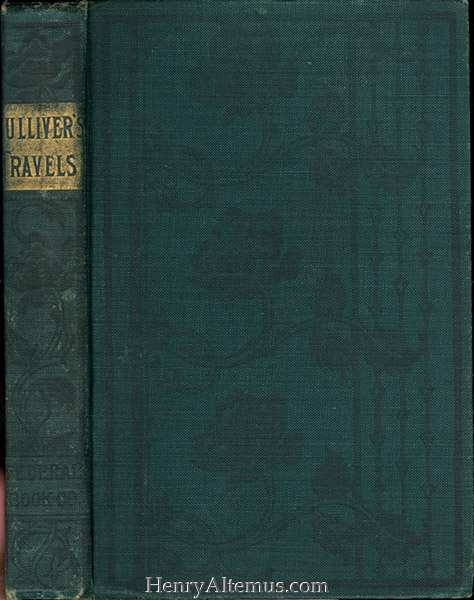
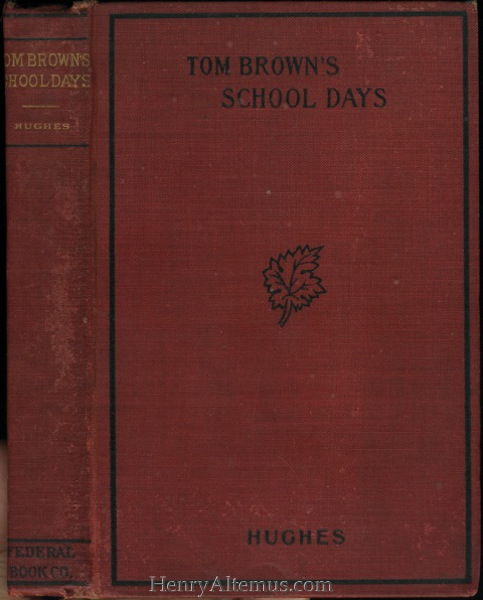
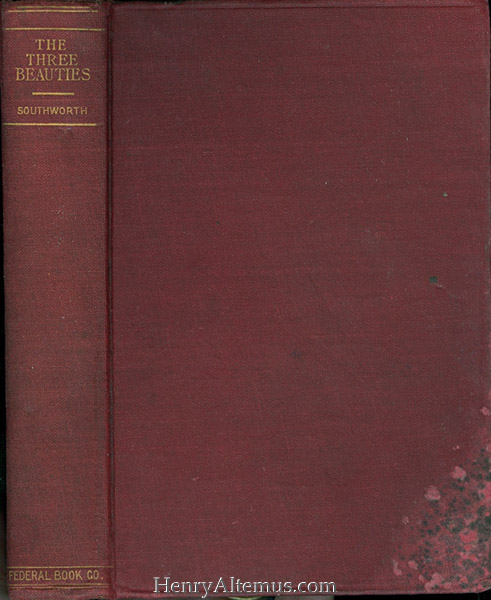
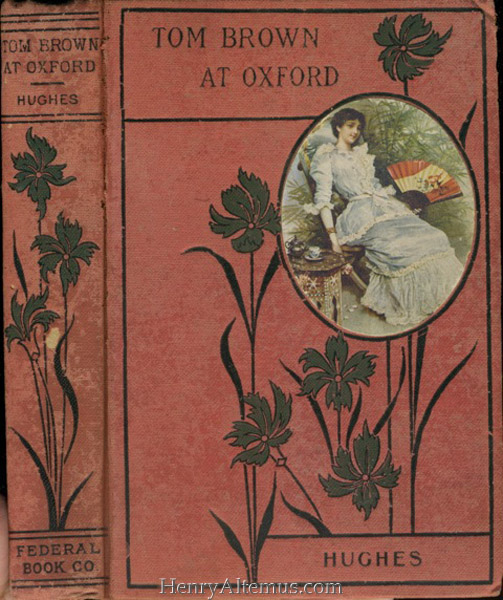
Federal Book Company (1902-1904)In 1902 the board of directors of F. M. Lupton Publishing
Company changed its name to the Federal Book Company. This
allowed F. M. Lupton, Publisher to continue printing
periodicals and magazines, while Federal published books.
Apparently this was to alleviate confusion between F. M.
Lupton Publishing Company and F. M. Lupton, Publisher. |
|||||||||||
|
|||||||||||
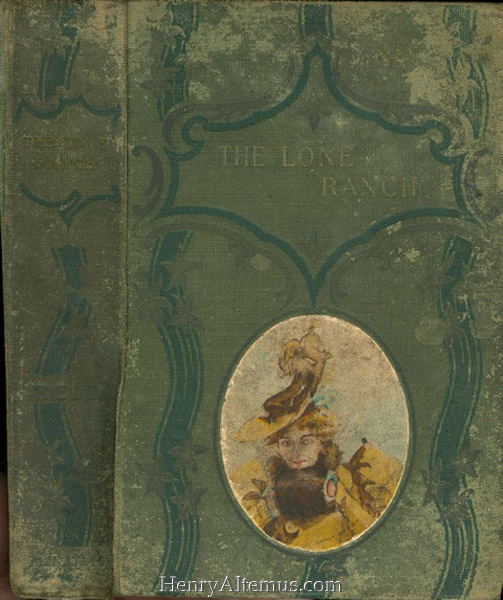
R. F. Fenno and Company (1895)New York. R. F. Fenno was started in 1894 and
incorporated in 1895. With Fenno's retirement in 1829, the
imprint was discontinued. |
|
|
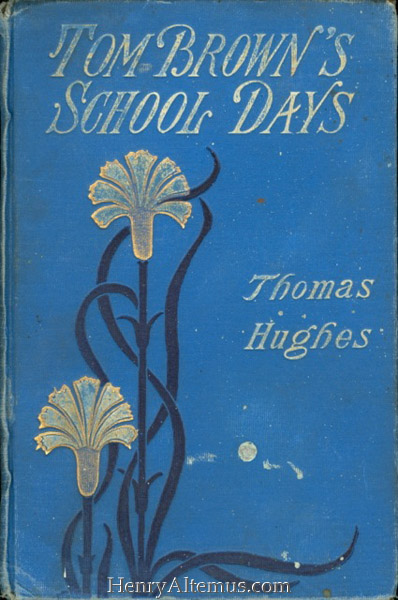
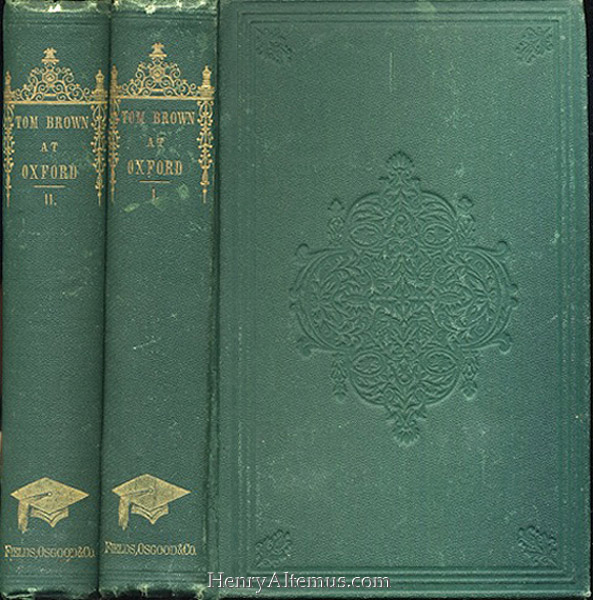
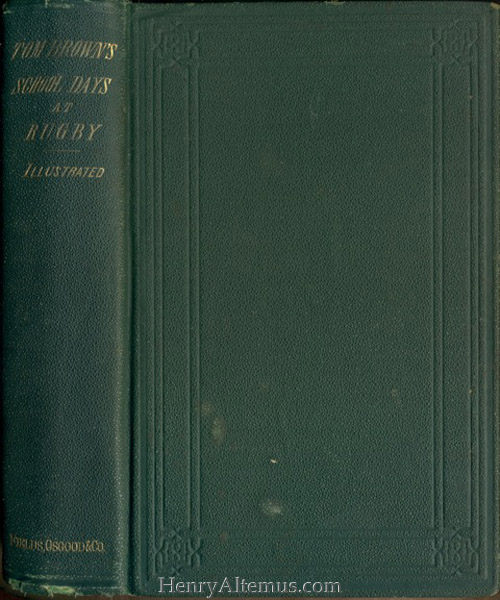
Fields, Osgood and Co. (1868-1871)Fields, Osgood and Company was active between 1868 and 1871. This company succeeded Ticknor and Fields in 1868. It was succeeded by James R. Osgood and Company in 1871. |
||
|
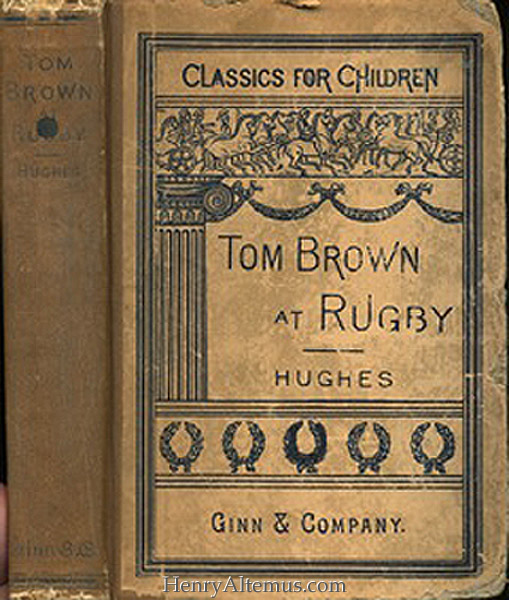
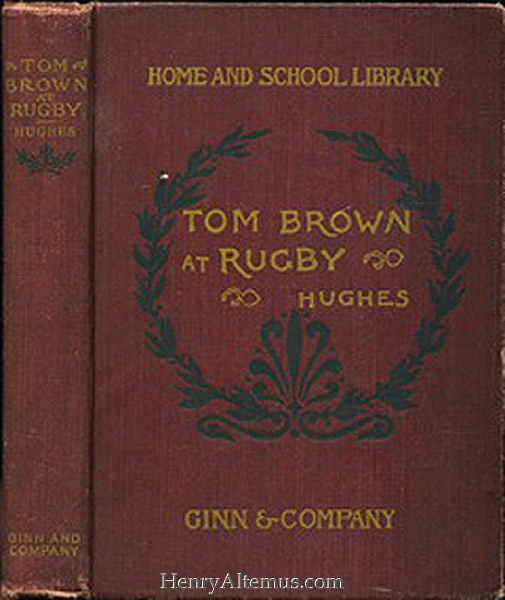
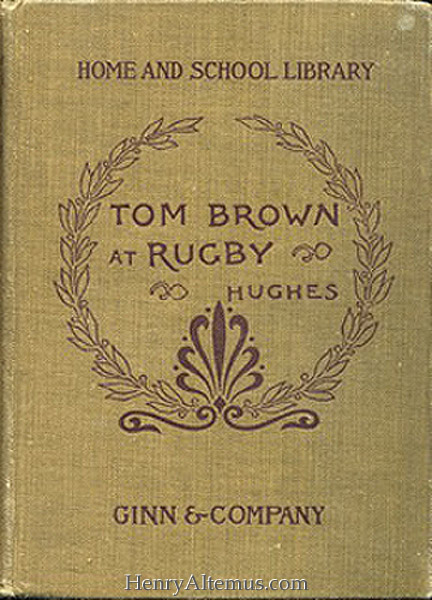
Ginn & Company (1889-)Boston. |
|||
|
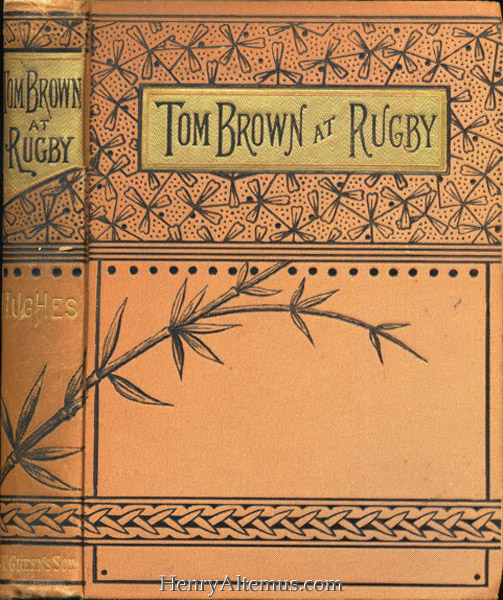
S. W. Green's Son (1882)This book is quite scarce. The publisher as noted below
is not well known. This title was described as part of the
"Elegant New Editions of Standard Publications" per an
advertisement in 1882. It was originally priced at 75
cents. Eight titles were included in this set and they
were sold individually as well as boxed. The eight volume
box was priced at $5.00. |
|
|
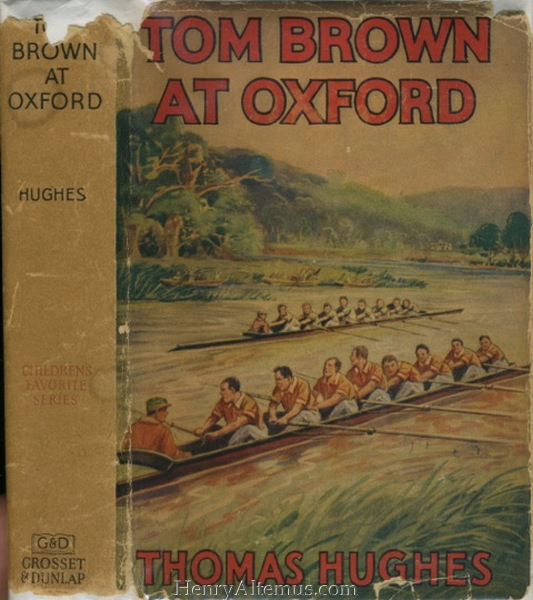
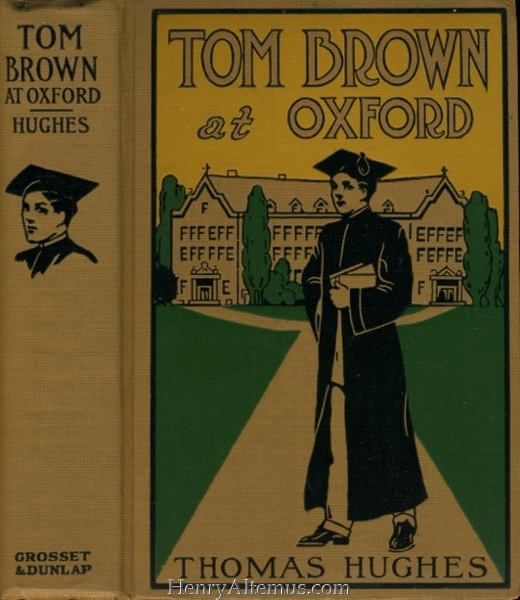
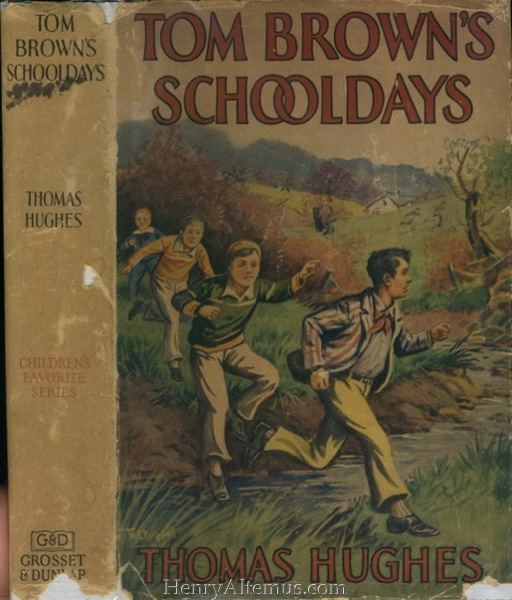
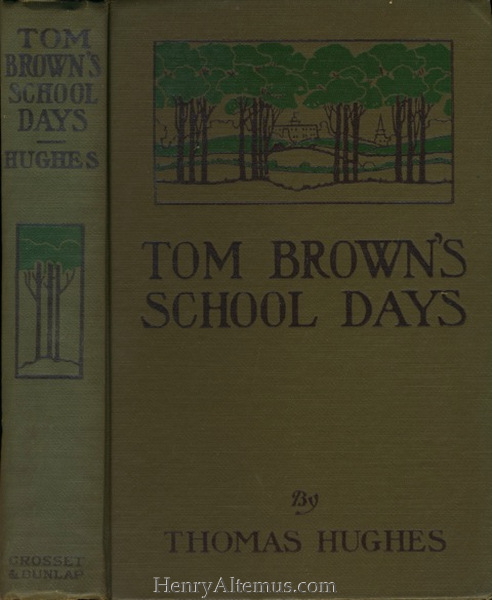
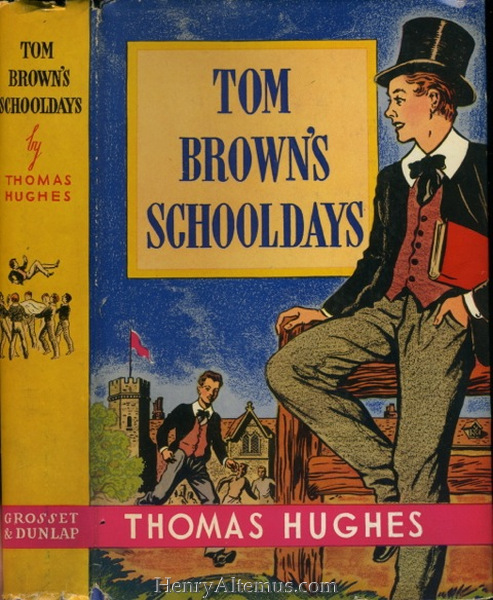
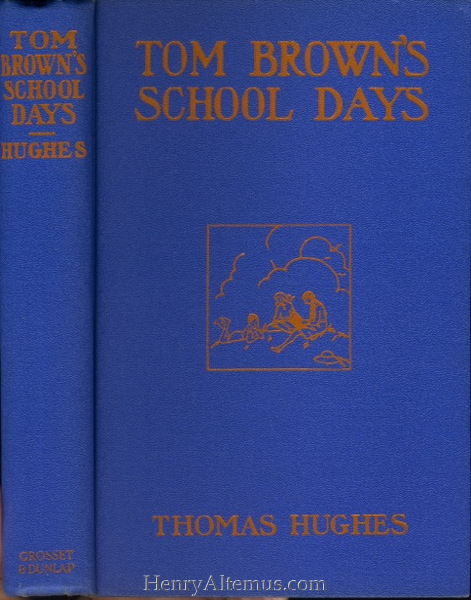
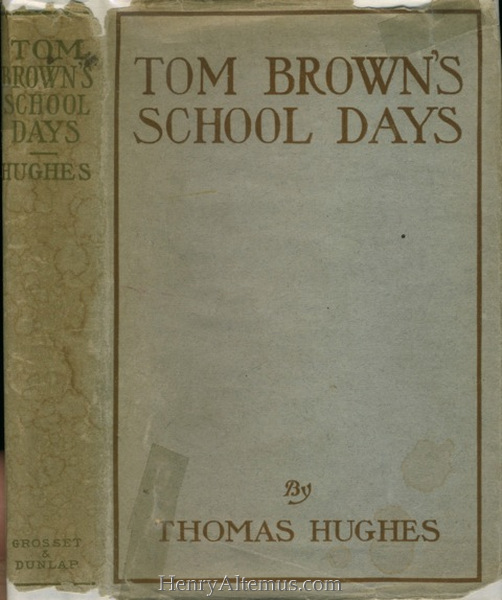
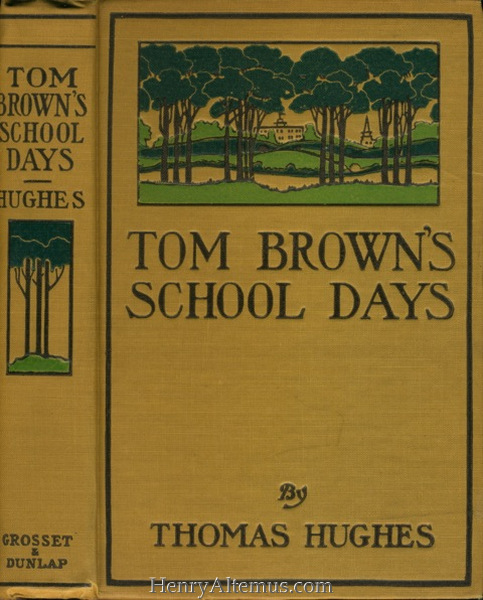
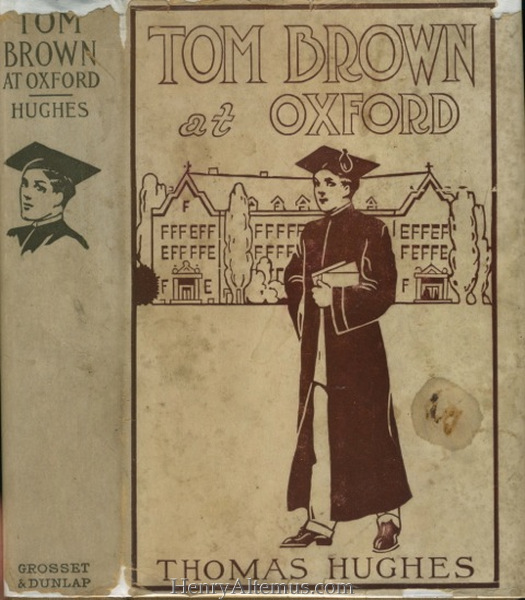
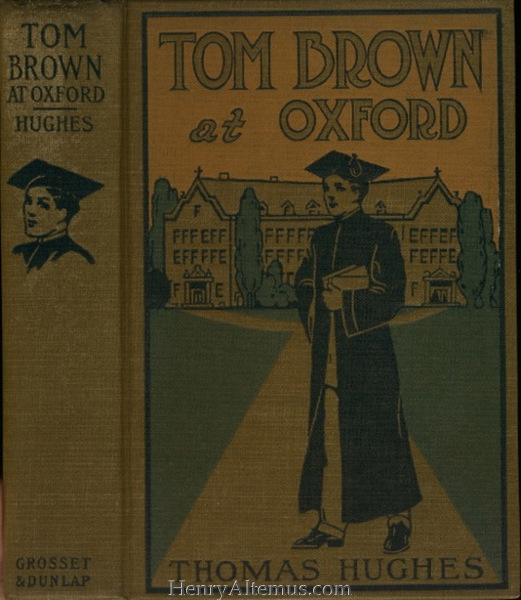
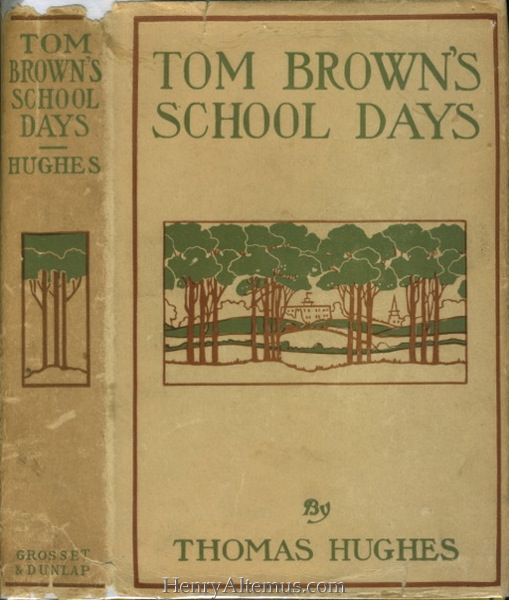
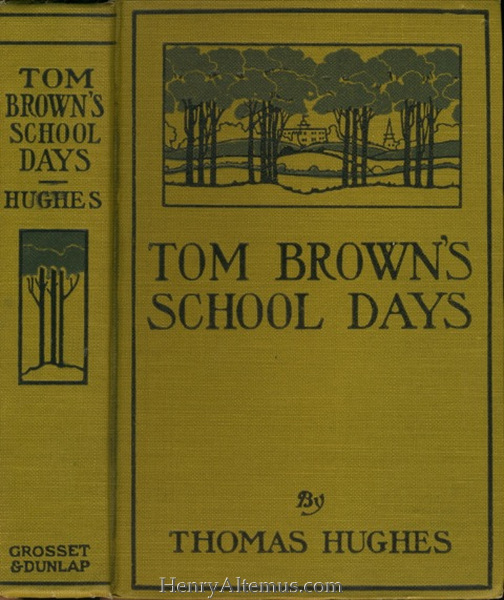
Grosset and Dunlap, New YorkThis 20th century publisher is included here because it
published a number of Tom Brown books. They were mostly
printed within large publisher's series. |
||||||||||||||||||||||||||||||||
|
||||||||||||||||||||||||||||||||
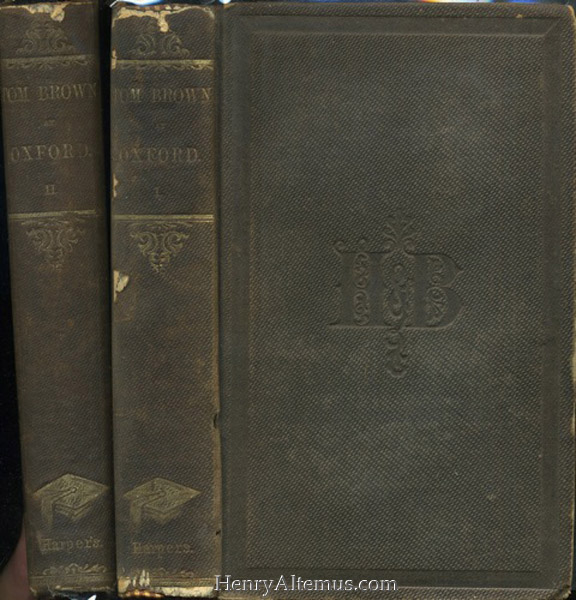
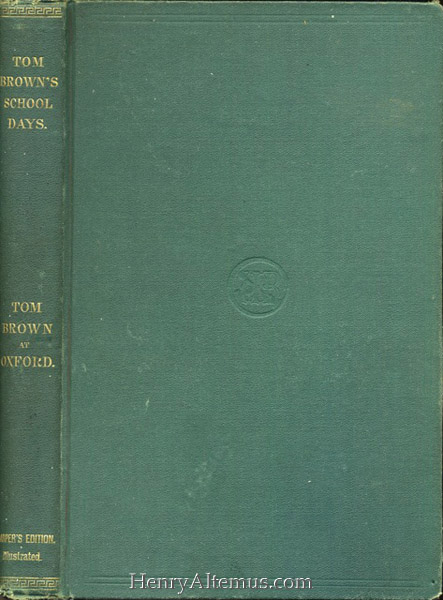
Harper and Brothers (1860-1882)Harper and Brothers published the first hard cover
edition of Tom Brown Brown at Oxford. Well at least they
published the first half of the book first. While Ticknor
and Fields was publishing Oxford in parts, Harper came out
with its pirated version of the first half of the book in
cloth. This book actually ended in the middle of a
sentence exactly like the corresponding part (Part # 7)
did. This book has 1860 on its title page. The second half
was published when the book was completed and has 1861 on
the title page. This half was published after Harper came
to an agreement with Ticknor and Fields (the authorized
publisher). |
||||
|
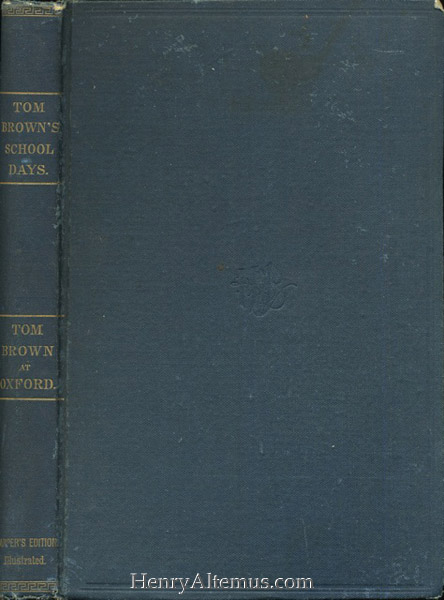
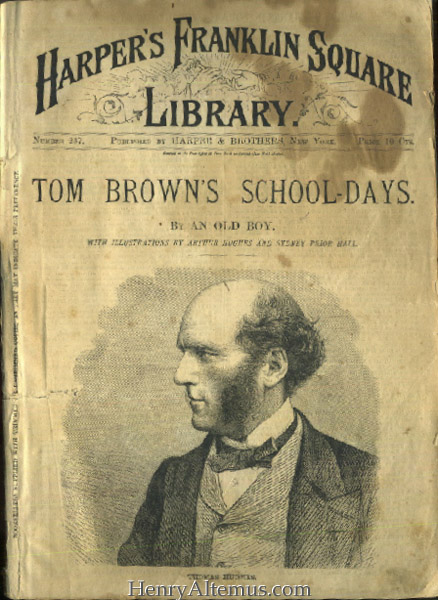
Henneberry Company (1901-1907)Chicago. The Henneberry Company was founded in 1901.
Donohue, Henneberry and Company was established in 1879.
In 1900 Michael A. Donohue bought out the interest of H.
P. Henneberry in the latter firm and founded Donohue
Brothers. Thereafter the Henneberry Company was started in
1901. |
||||
|
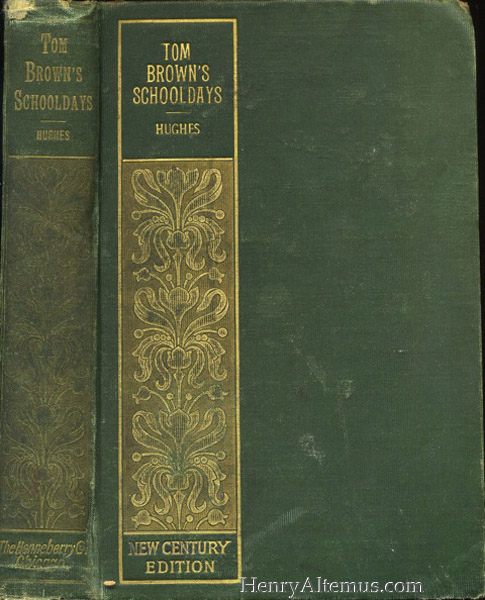
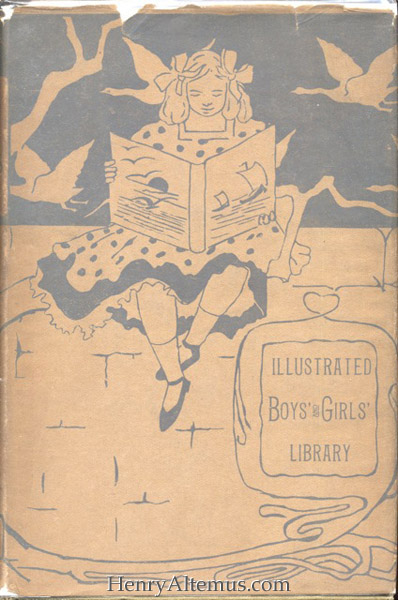

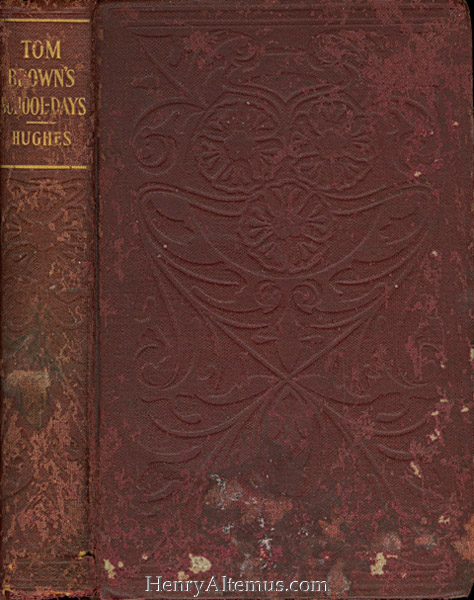
Geo. M. Hill Company (1899)Tom Brown School Days was published as part of the Clover Leaf Series. |
|
|
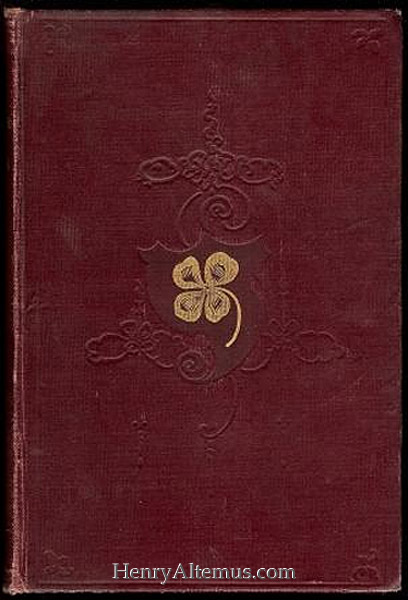
Home Library Association (Mid-1880's)Chicago and New York. I can find little information about this publishing house. There are ads in the back of the book from Porter and Coates. This may indicate that the Home Library Association used Porter and Coates plates for its own imprint. |
|
|
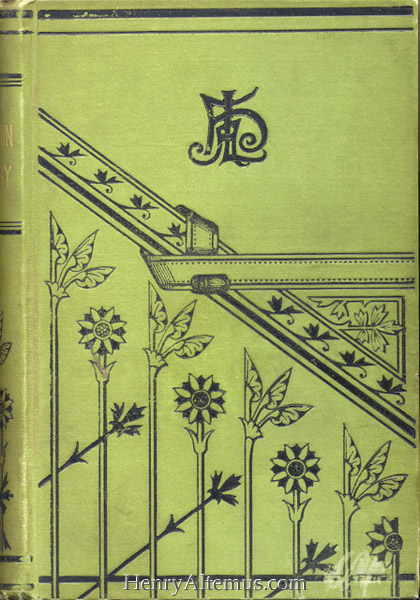
Homewood Publishing Company (1902-)Chicago. The Homewood Publishing Company was incorporated
in 1902. Its principals were Arthur B. Schaffner, Harry
Goodman and Arthur L. Schwartz. This firm published many
of its books in the same formats as Conkey, another
Chicago publisher. Their relationship is unclear at this
time. |
||
|
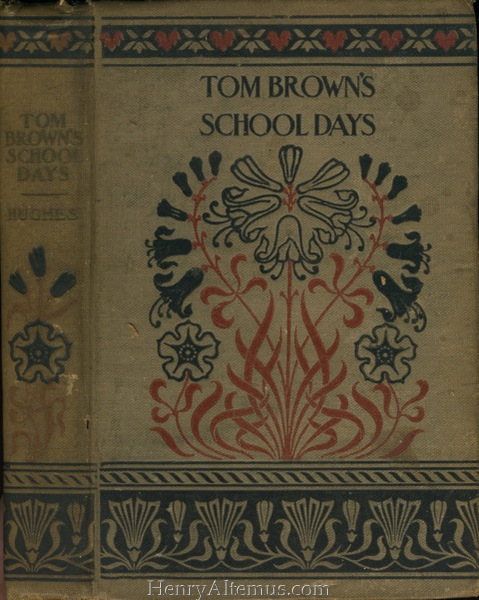
Houghton, Miflin and Company |
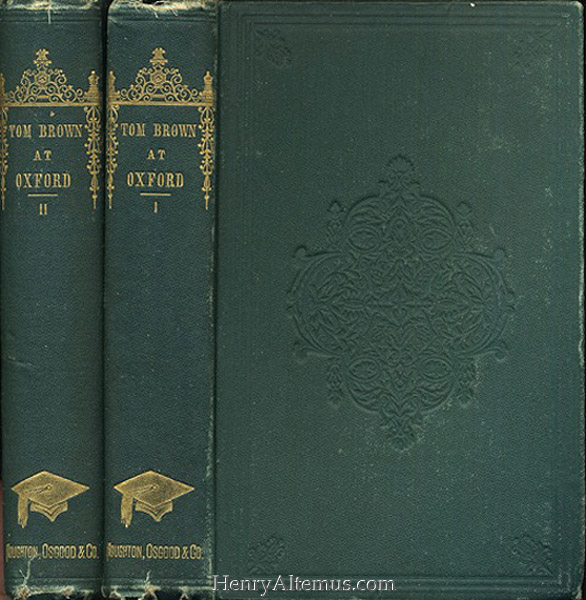
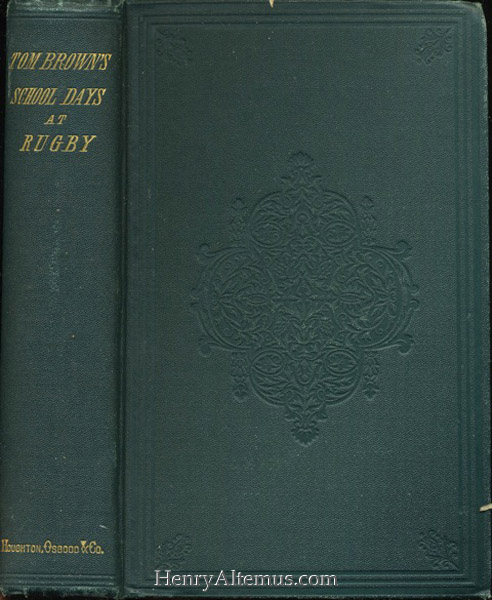
Houghton, Osgood and Company (1878-1880)Boston. Houghton Osgood and Company was the successor to James R. Osgood and Company. It was active between 1878 and 1880. It published both titles. It was succeeded by Houghton, Miflin and Company. Besides the cloth formats Houghton, Osgood published a half-calf edition. |
||
|
Hovendon Company (1892)New York. |
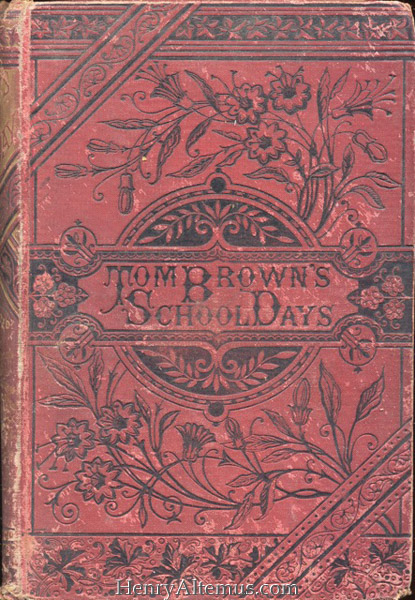
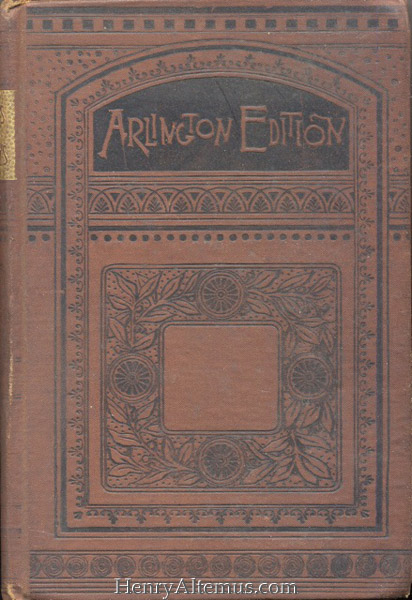
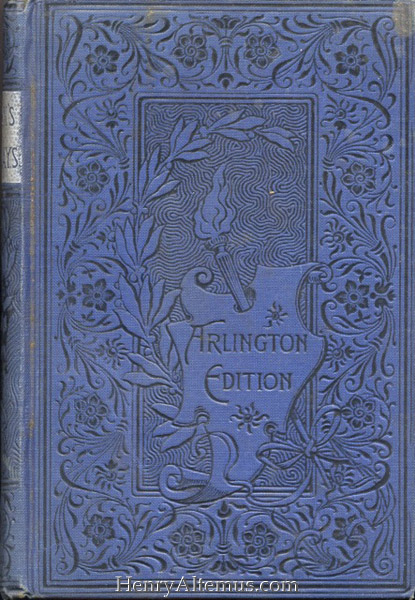
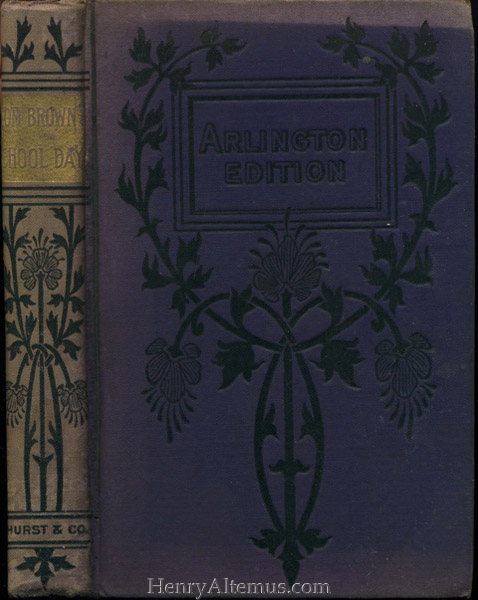
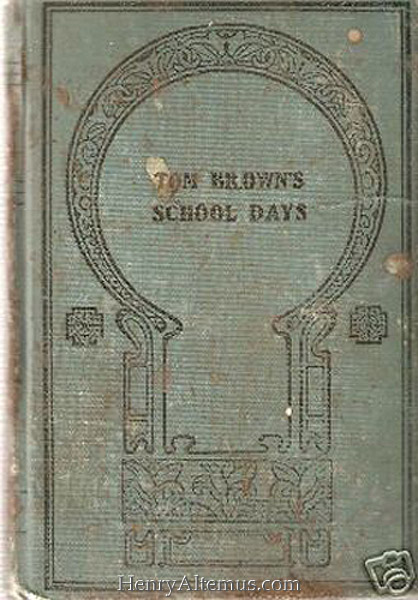
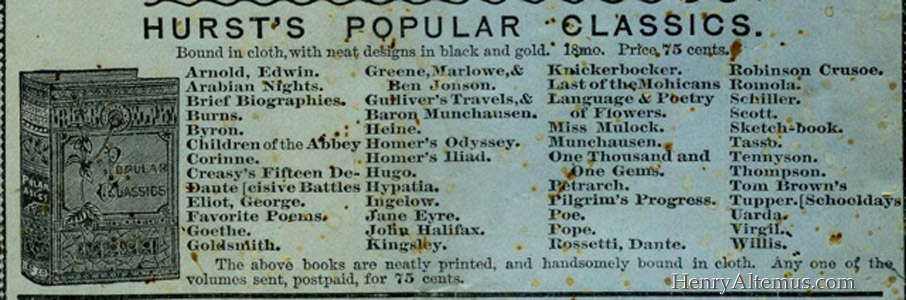
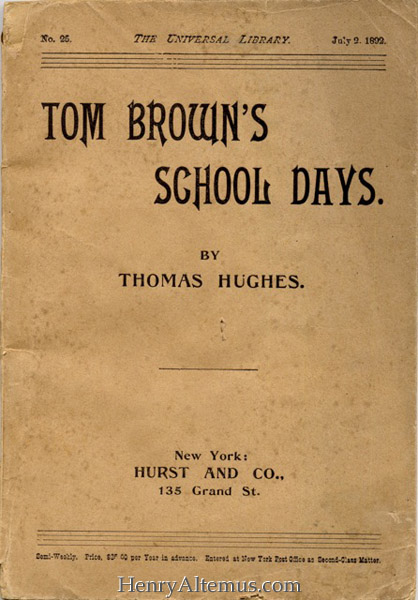
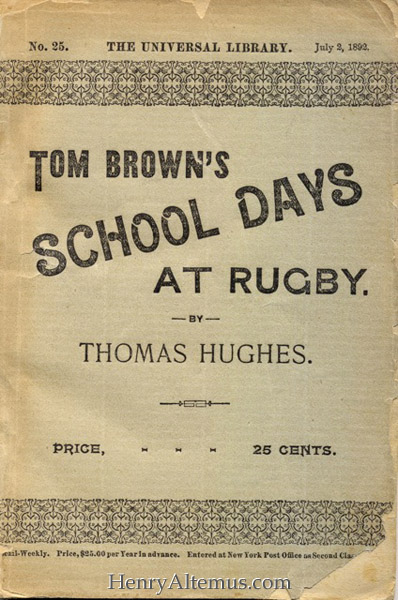
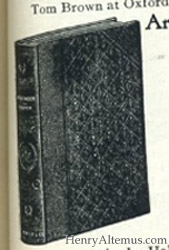
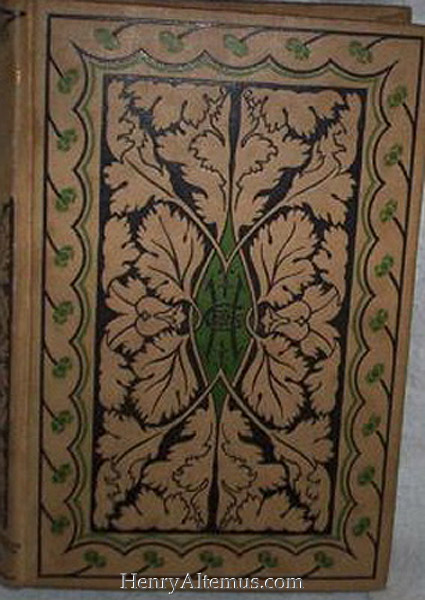
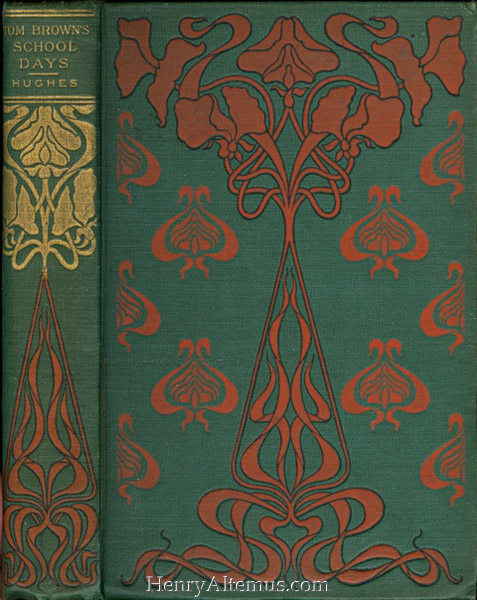
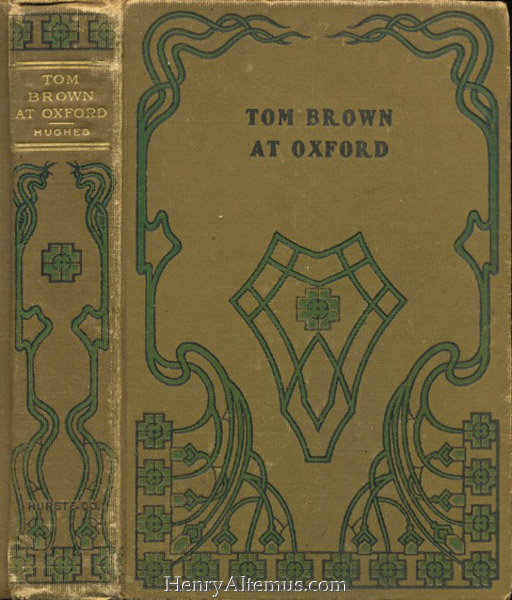
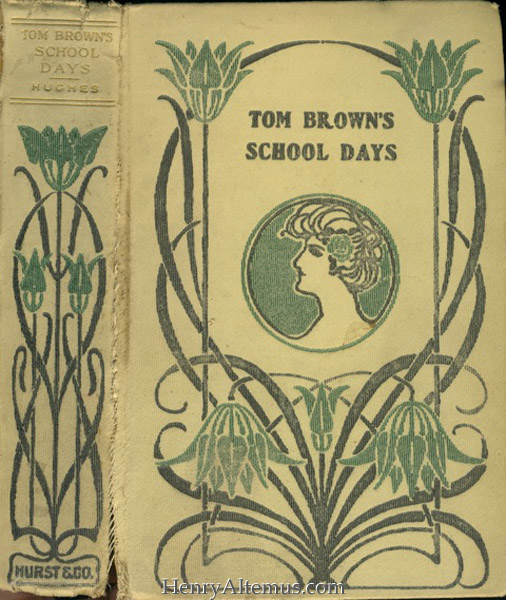
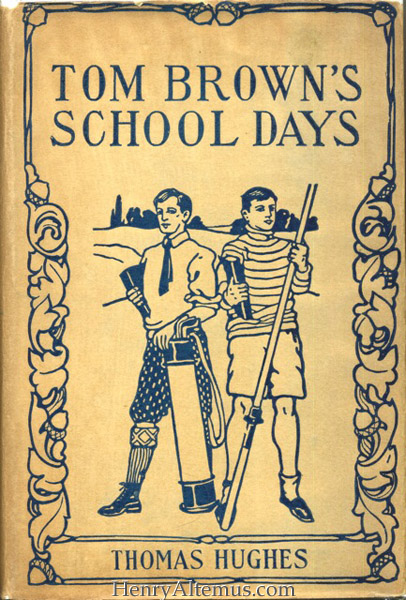
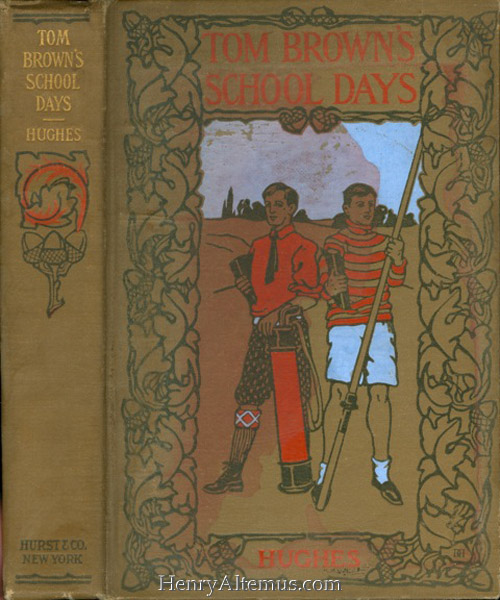
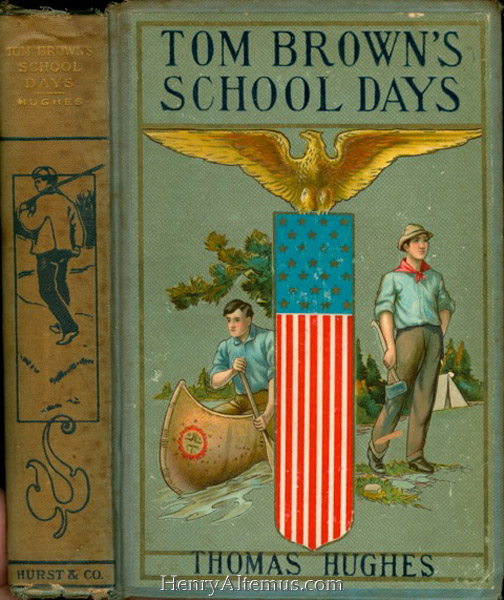
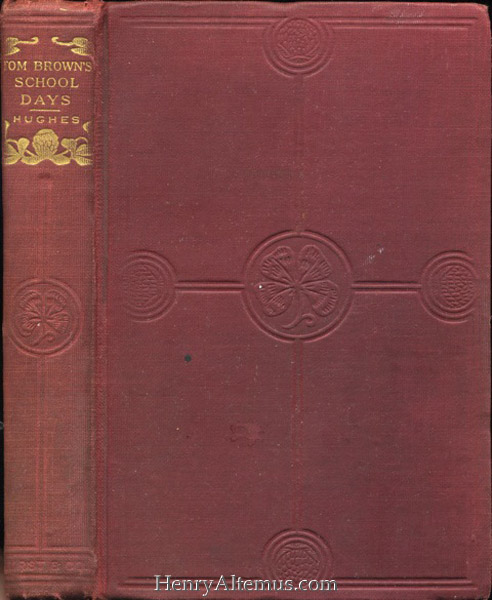
Hurst & Company (1883)New York. Hurst was founded by Thomas Hurst in
1871.Throughout its publishing life it mostly published
books in series form. Titles in cloth as well as in wraps
are noted. In the early 1900's until its demise in 1919 it
also published numerous first issue juvenile series. The
Tom Brown books for the most part were issued in the
various series. |
|||||||||||||||||||||||||||||||||||||||||||||||||||||||||||||
|
|||||||||||||||||||||||||||||||||||||||||||||||||||||||||||||
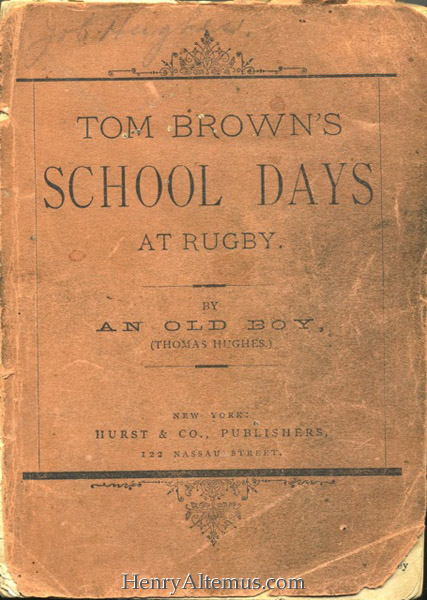
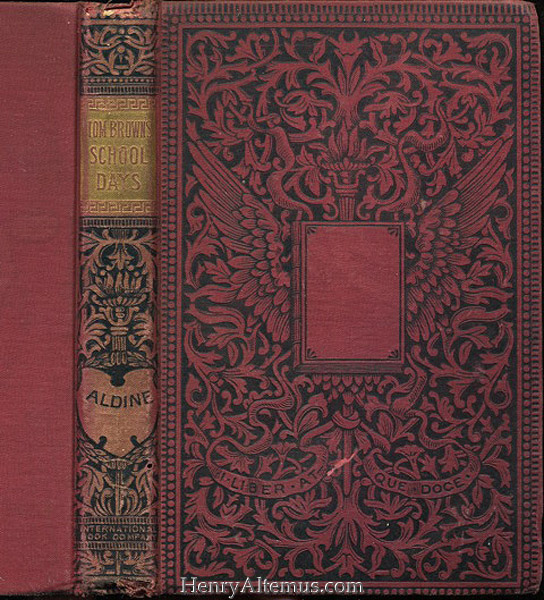
International Book Company (1890-1892)This firm was one of the many formed by the Lovell
organization. It was run by John Hovendon. It was
incorporated in 1890 with the purpose of binding and
manufacturing books. Hovendon bought it out in 1892 and
renamed it the Hovendon Company. |
||||||||
|
||||||||
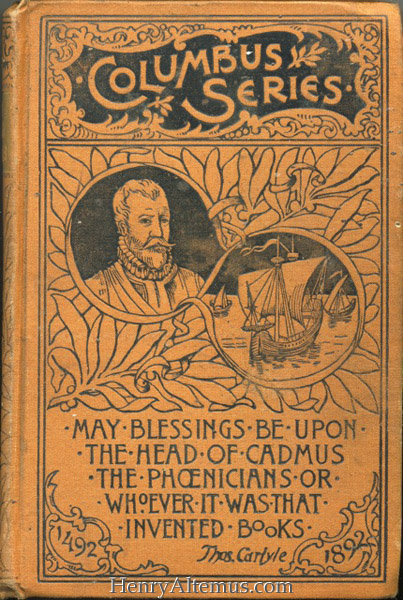
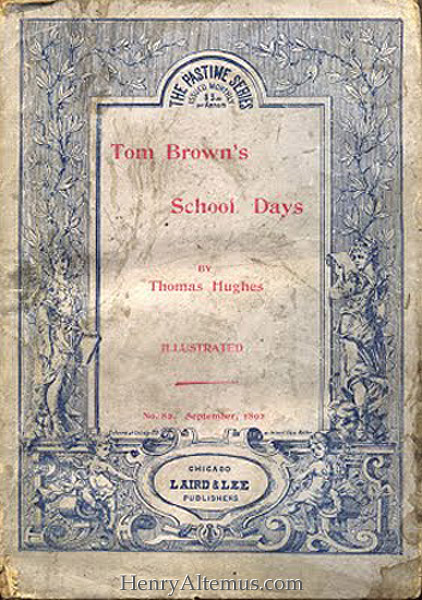
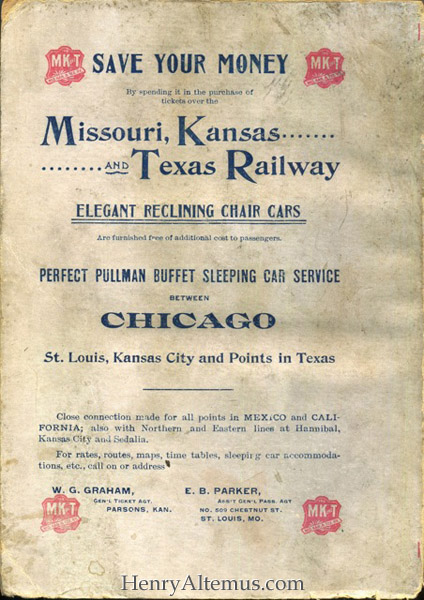
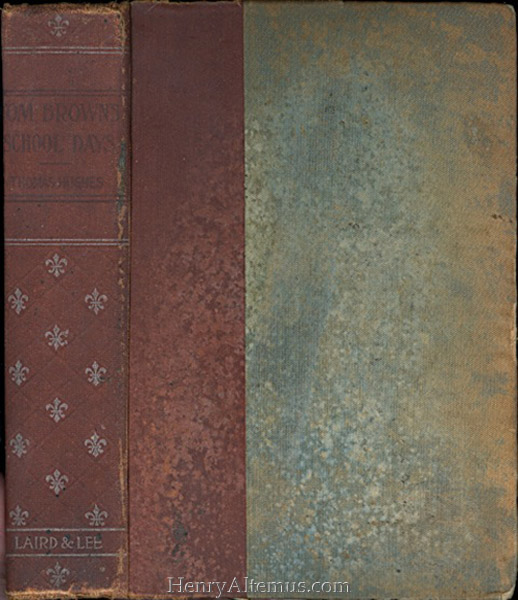
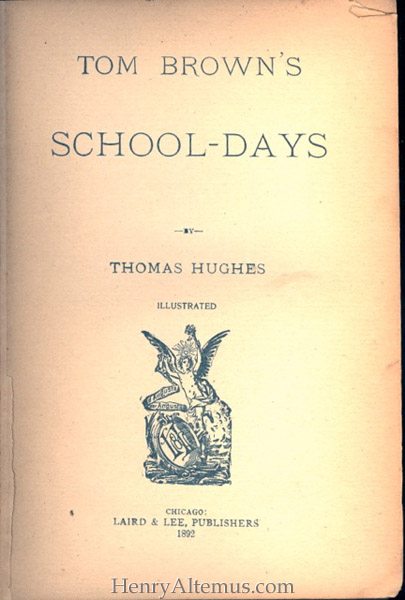
Laird and Lee (1892)Tom Brown's School Days was published in 1892 by Laird
and Lee as part of the multi authored Pastime Series. It
is #82 in the series. By 1896 there were 250 titles in
this series. The books of this series are in wraps. It
does not appear that Tom Brown at Oxford was included in
this series. |
||||||||
|
||||||||
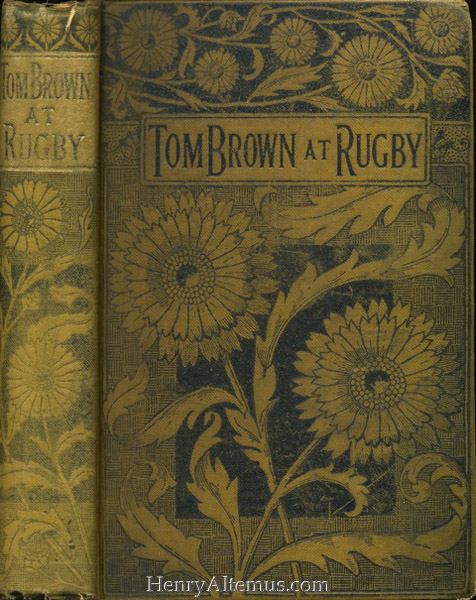
J. B. Lippincott & Co.(1869-1885)J. B. Lippincott & Co. issued School Days at Rugby
inseveral formats in 1869. One in wraps, one in cloth and
one deluxe in cloth with gold gilt edges. The latter two
were 18 mo. In ads the books are stated to be part of the
Golden Treasury Series. These books have not been seen. |
||
|
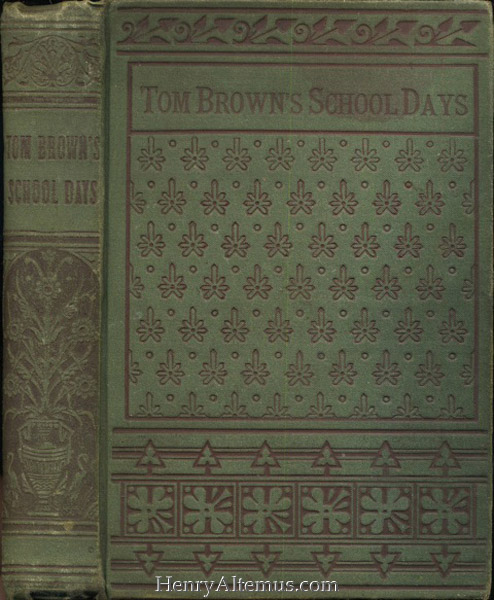
D. Lothrop and Company (ca. 1882)D. Lothrop and Company published both School days and at
Oxford in the 1882-1883 range. The books have been seen in
yellow and red. |
|
|
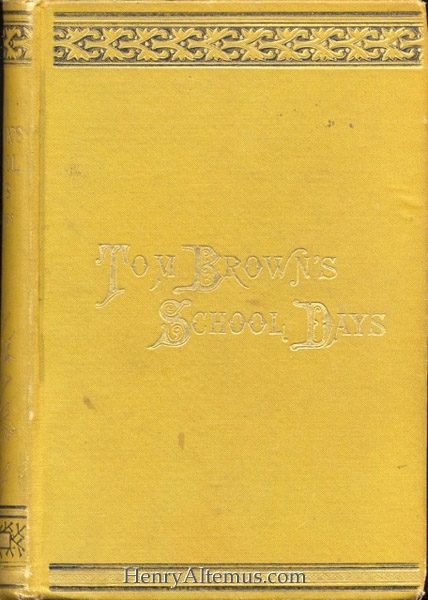
Lovell Brothers and Company (1893)Lovell Brothers and Company was begun in 1893. The partners were Frank and John Lovell as well as John Hovendon. |
|
|
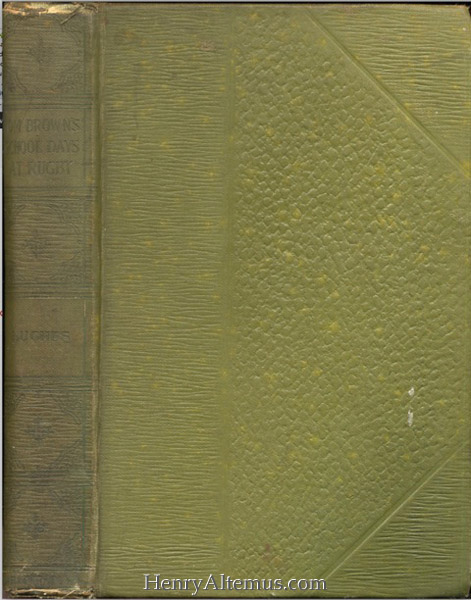
Lovell, Coryell and Company (1893-1897)Lovell, Coryell and Company was a subsidiary of the United States Book Company. It was active between 1892 and 1904. Most of its books were published in sets. The books it published were of a higher quality than the reprints published by the other Lovell controlled companies. In 1897 after being taken over by the American Publisher's Corporation the Lovell Coryell imprint was discontinued. |
||||
|
||||
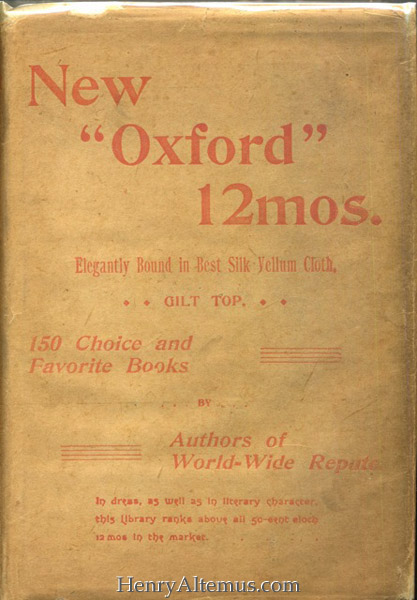

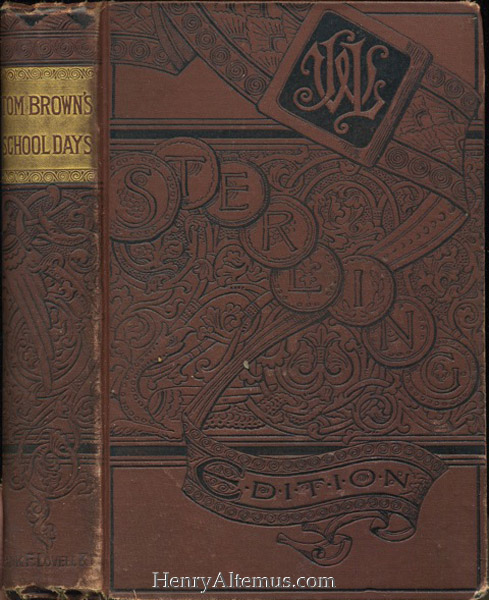
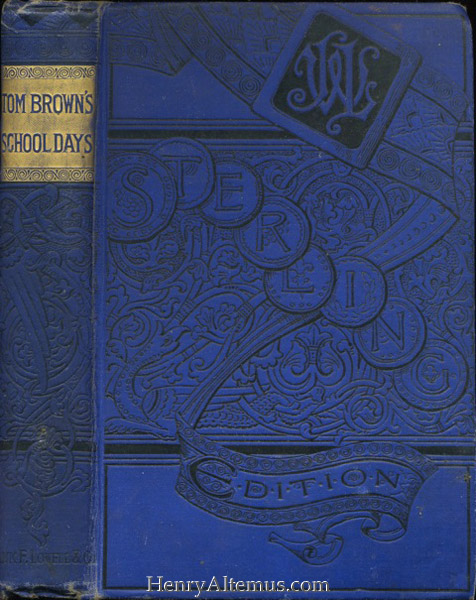
Frank F. Lovell and Company (Late 1880's)New York. Frank F. Lovell and Co. in the late 1880's
published a Sterling Edition with the Tom Brown books. The
cover is the same as the Burrows Brother book except for
the publisher's initials on the upper right of the cover.
|
||
|
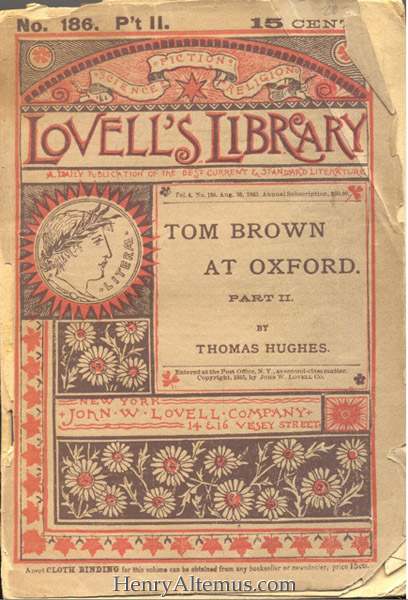
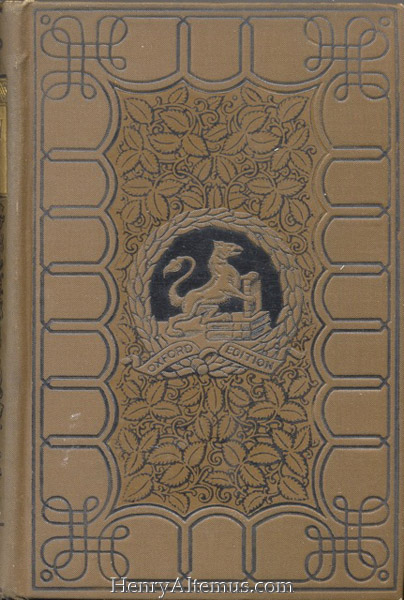
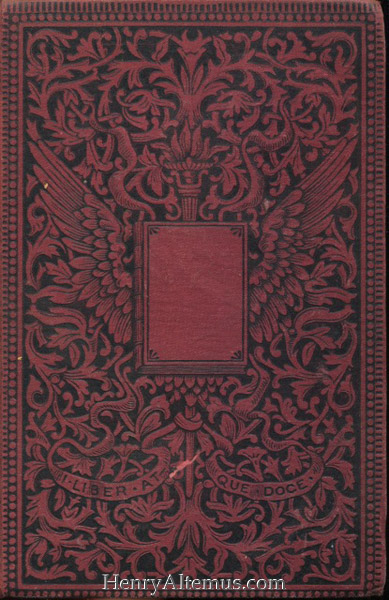
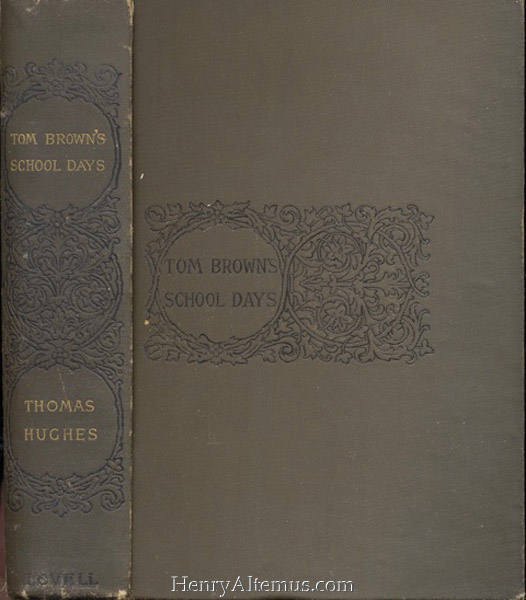
John W. Lovell Company (1878-1893)John W. Lovell began publishing on his own imprint in
1878 inNew York. Lovell was well known as a publisher of
books that were not protected by copyright laws. It
reprinted cheap reprints for the masses both in series of
paperbound and cloth volumes. Lovell's Library was
probably its single greatest achievement in terms of
popularity. |
||||||||||||||||||||
|
||||||||||||||||||||
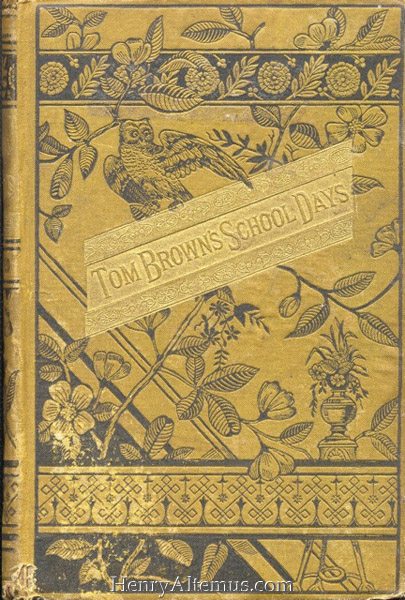
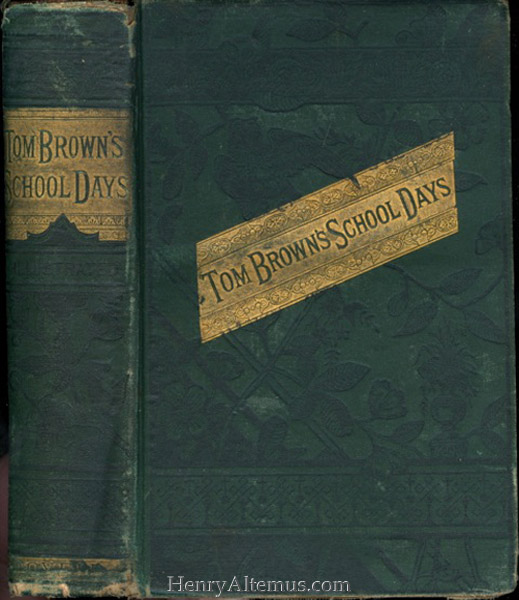
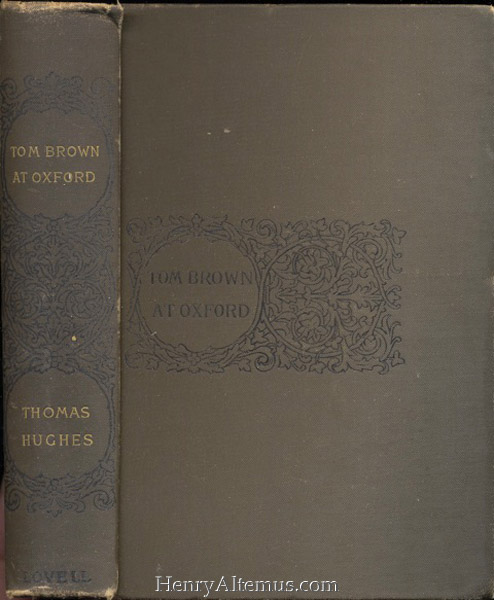
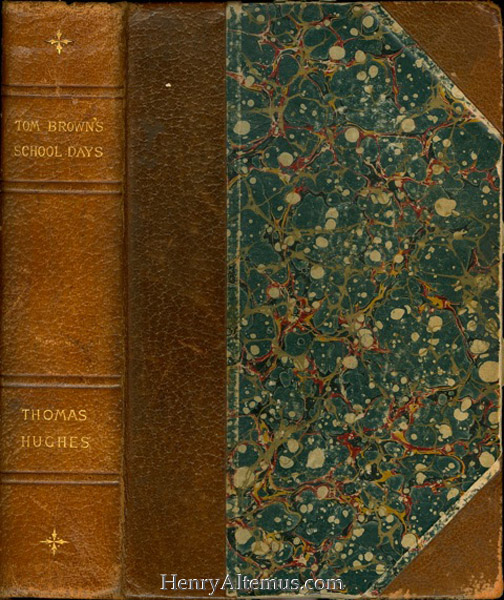
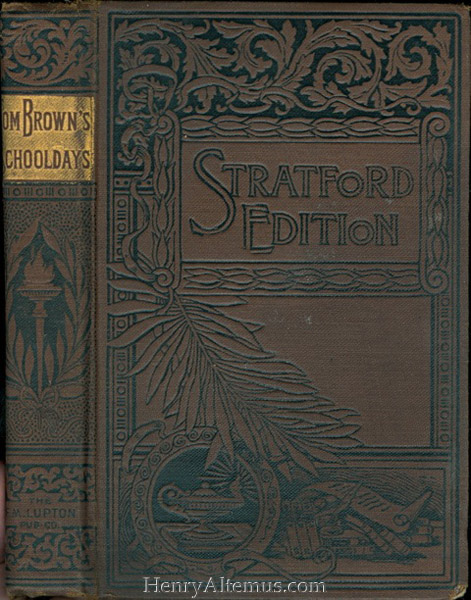
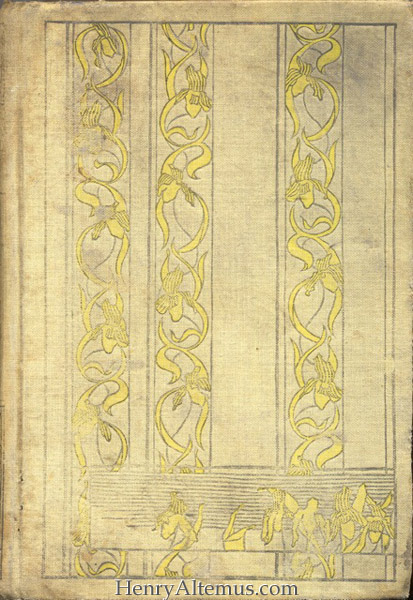
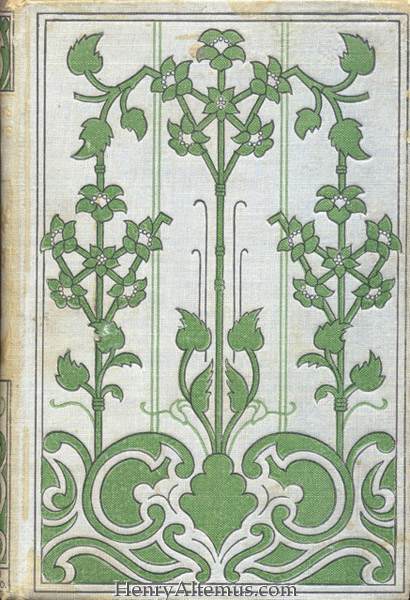
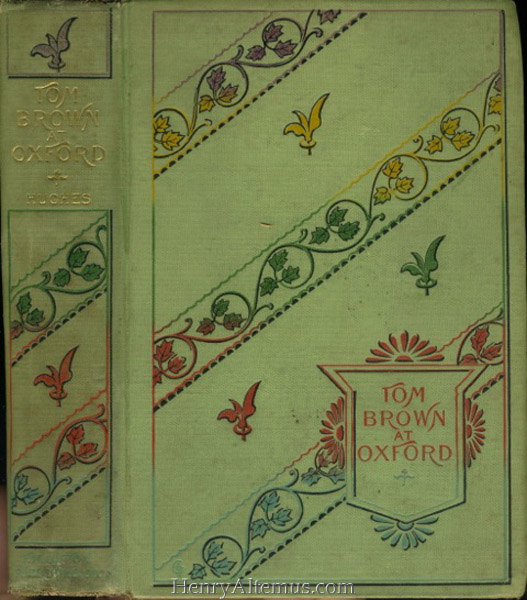
F. M. Lupton Publishing Company (1892-1902)This New York publishing house was founded by Frank Moore
Lupton (1854-1910). Lupton grew up on Long Island. He
initially apprenticed to a printer in Greenport.
Thereafter he worked for S.W. Green. With several friends
he started a monthly periodical called The Cricket on the
Hearth. In 1882 he founded his own company. At that time
the imprint was F.M. Lupton. He continued to add titles,
series and authors' sets throughout the years. In 1892 he
incorporated and the imprint changed to F. M. Lupton
Publishing Company. The firm changed its name to the
Federal Book Company in 1902. |
||||||||||||||||||||||||||||||
|
||||||||||||||||||||||||||||||
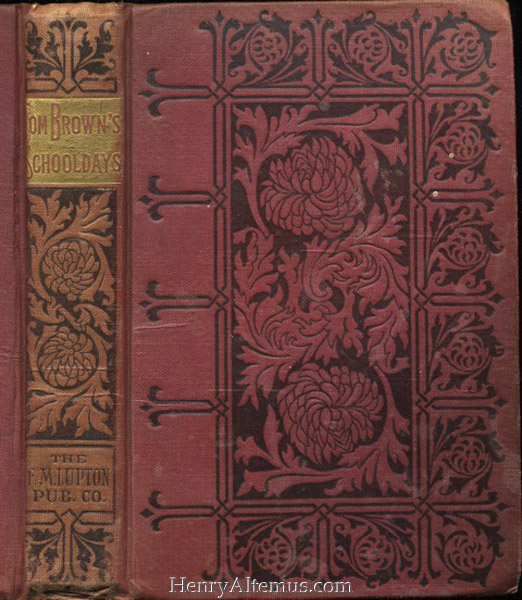
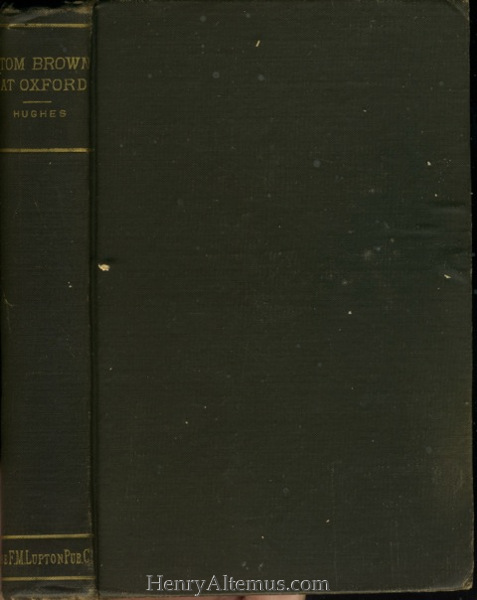
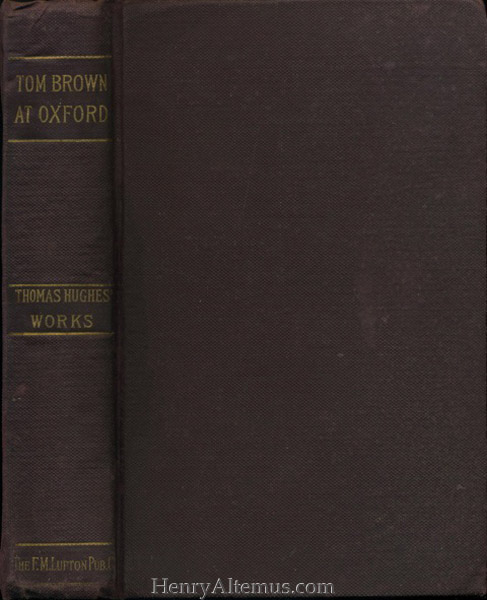
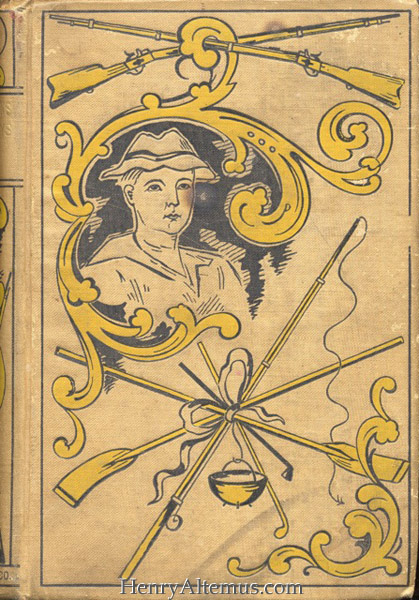
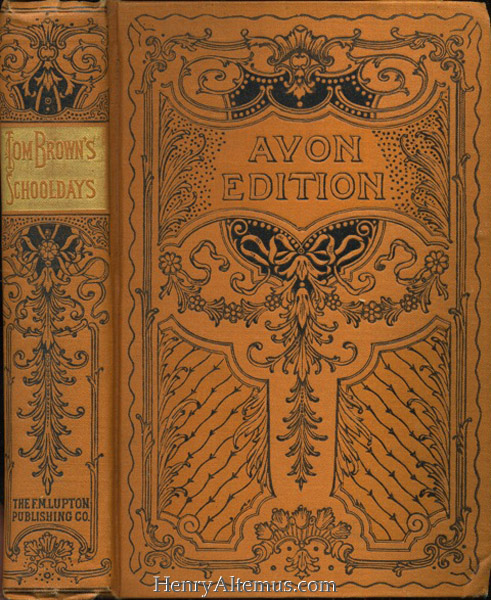
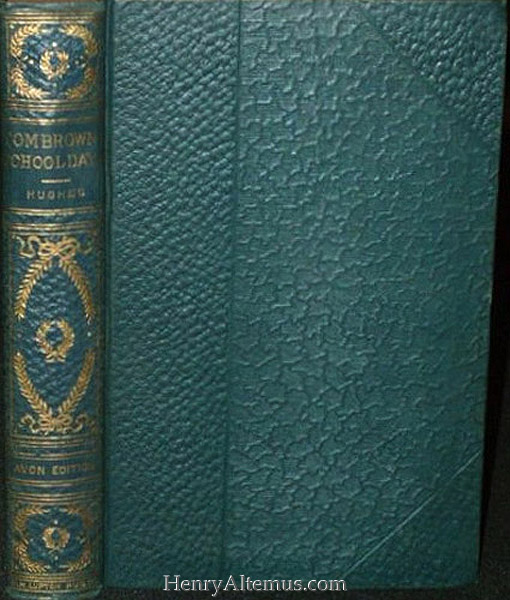
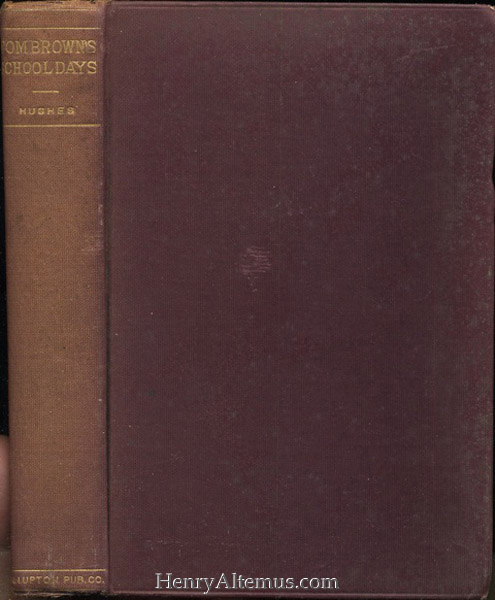
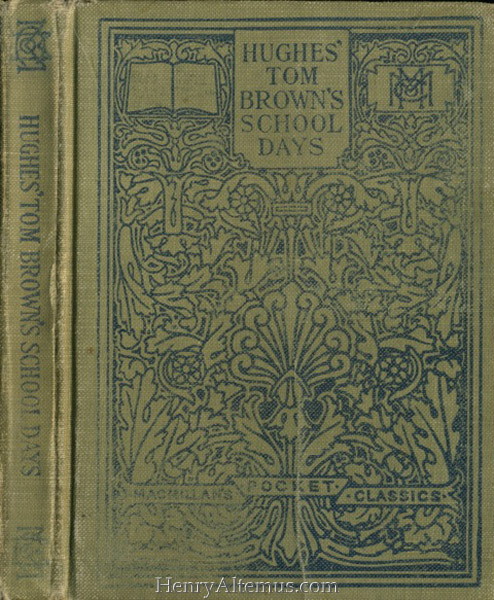
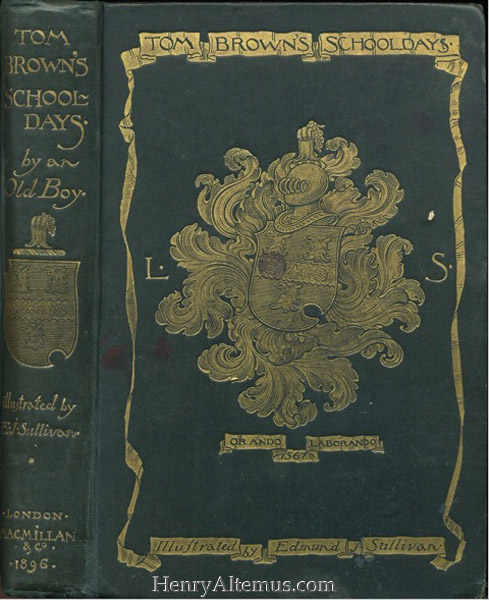
Macmillan and Company (1870-1900's)This English publisher established its American
branch,Macmillan and Company in New York on Bleeker Street
in 1869. The firm published books in numerous categories.
In 1896 the name changed to The Macmillan Company |
||||
|
||||
|
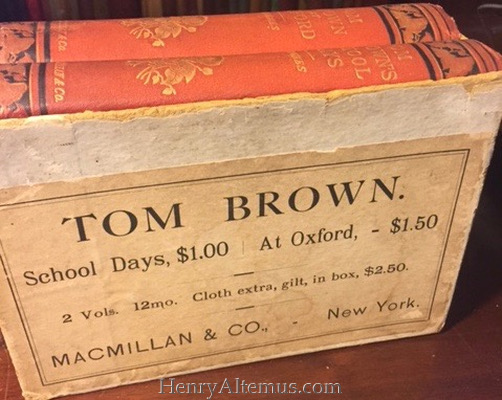
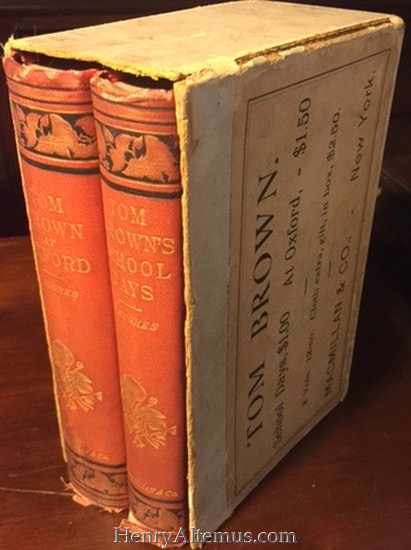
The two Tom Brown books in this format were also sold within a labeled box. Here is the 1885 boxed set.
|
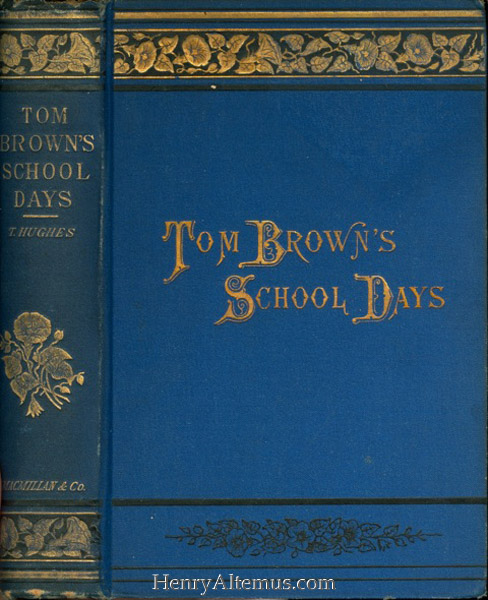
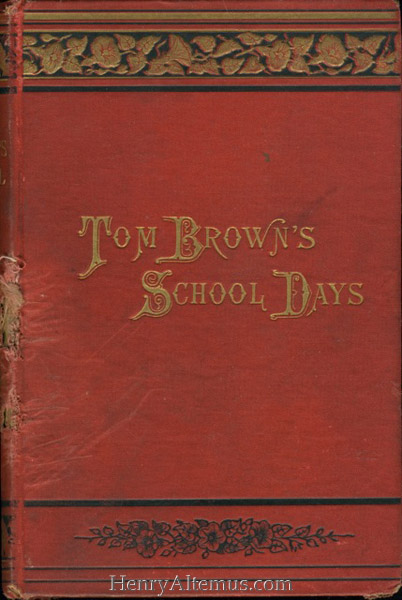
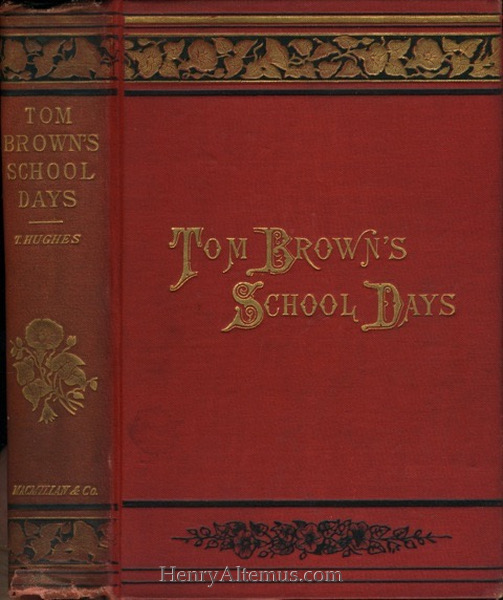
S. A. Maxwell and Company (1887)Chicago. Tom Brown's School Days is part of this firm's
large publisher's reprint series that was printed in the
late 1880's. Orange, red and green cover colors have been
seen as of this time. It is unknown whether Oxford is also
part of this series. |
||
|
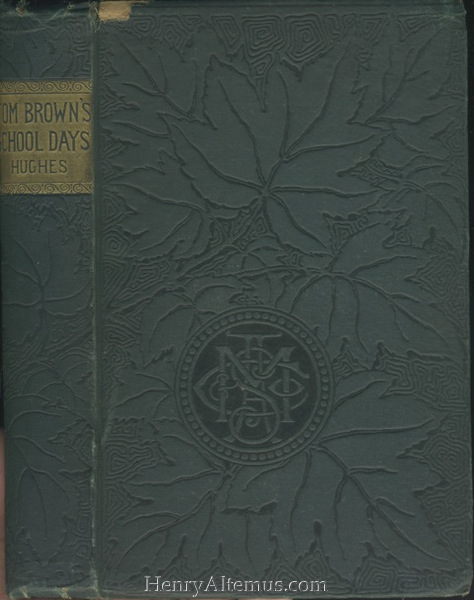
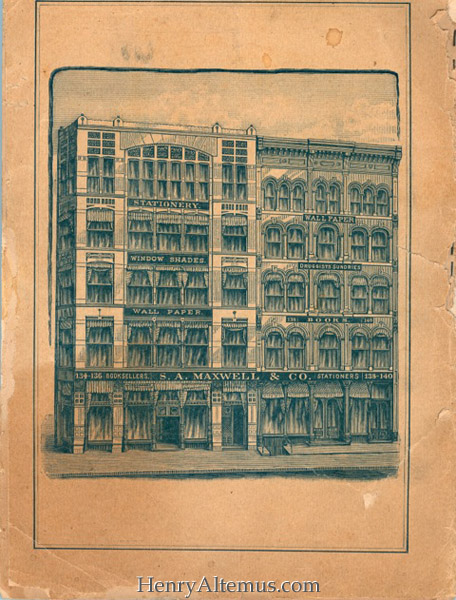
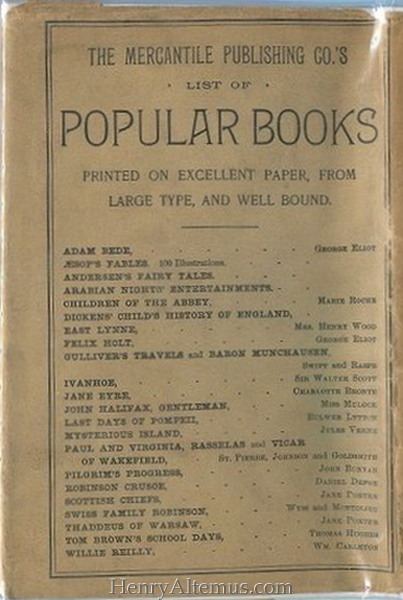
Mercantile Publishing Company (1888)Boston. This book originally came within a dust jacket. On the reverse of the jacket it was listed in " Mercantile Publishing Co.'s List of Popular Books". See below. |
||
|
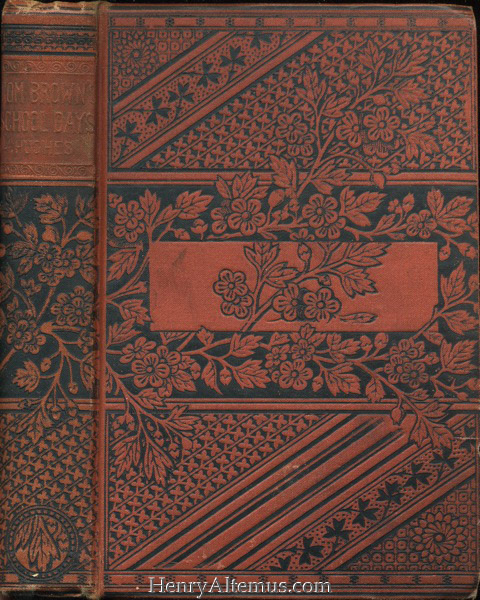
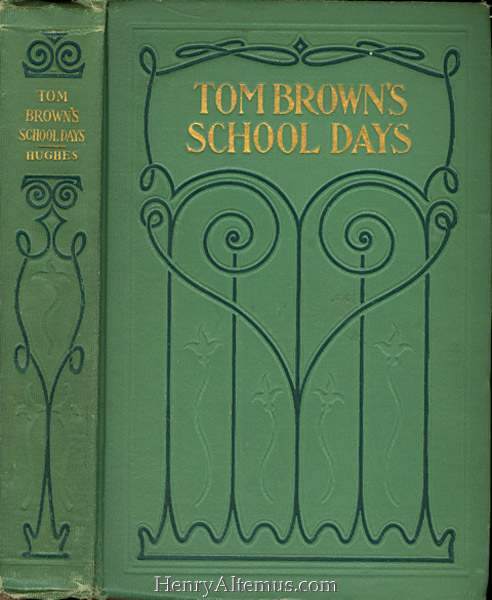
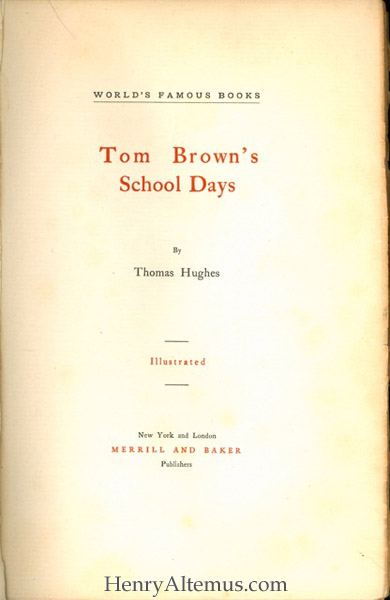
Merrill and Baker (Early 1900's)New York. This publishing house was founded in 1893 by
Daniel David Merrill, his brother L.K. Merrill and Francis
E. Baker. It was mainly a subscription firm. It declared
bankruptcy in 1904. |
||||
|
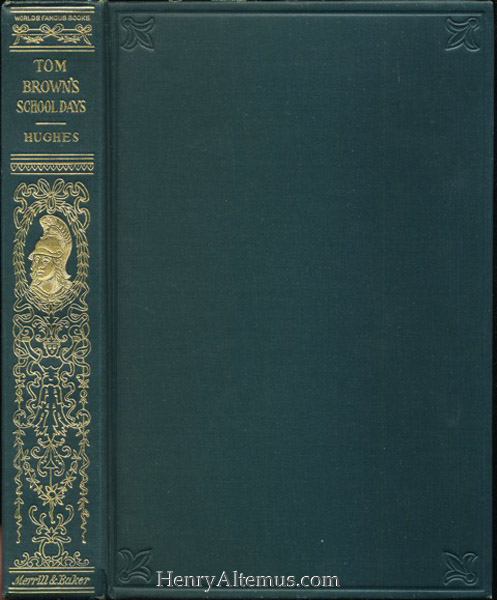
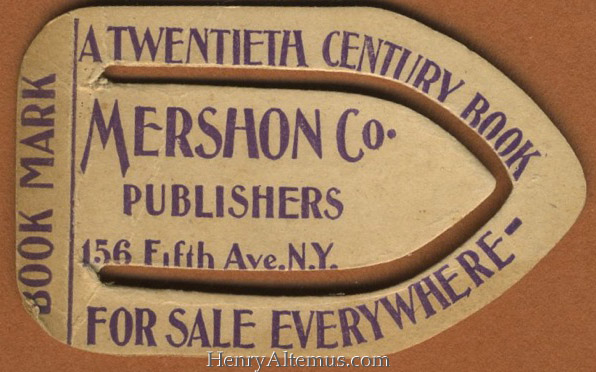
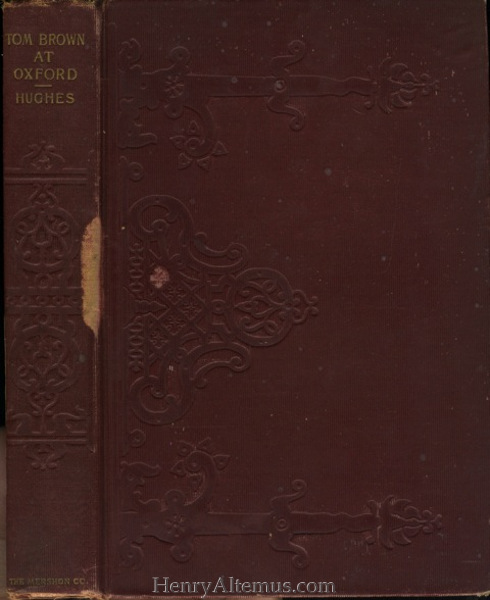
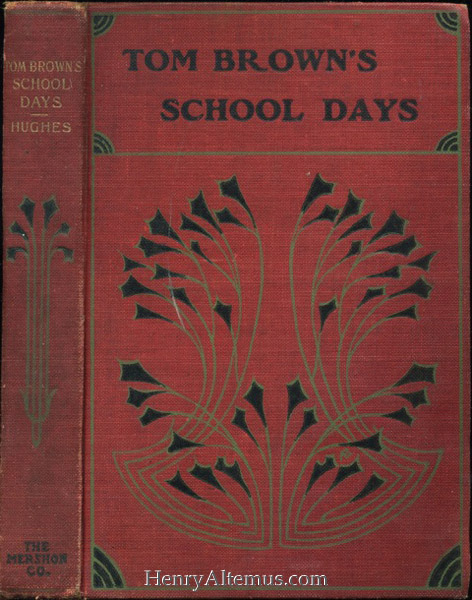
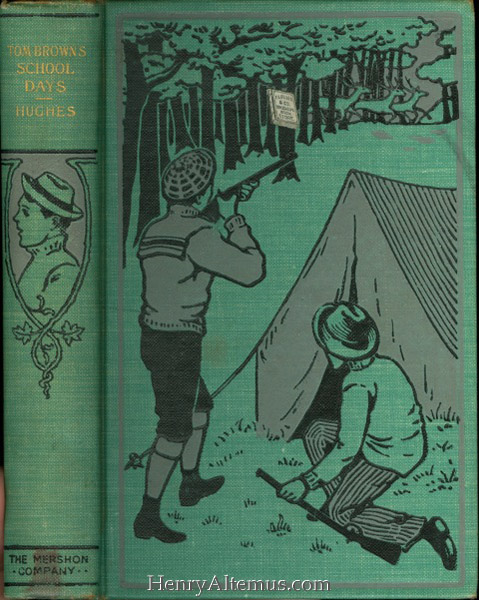
The Mershon Company (late 1890's-1907)William Mershon's namesake company was mainly a printer untilthe early 1890's. Thereafter it published the books of several bankrupt companies (Cassell & Co., Merriam Company) in the mid to late 1890's and by 1899 was publishing new titles under its own imprint. (The Rover Boys is a good example). It continued to publish juvenile titles as well as publisher's series until 1905 when the name was changed to the Stitt Publishing Company. Stitt went bankrupt in 1906 and Mershon took over until 1907 when Chatterton-Peck Company published the Mershon list. |
||||
|
||||
|
Mershon published the Tom Brown books in several
different series. The series names are mostly unknown.
Both titles were however included in the Wideawake Series
which was a large juvenile series with multiple different
covers. Of note in dating these books is that the title
page listed Rahway, NJ and New York beginning in 1902
whereas pre-1902 books only showed New York on the title
page. |
||||
|
||||

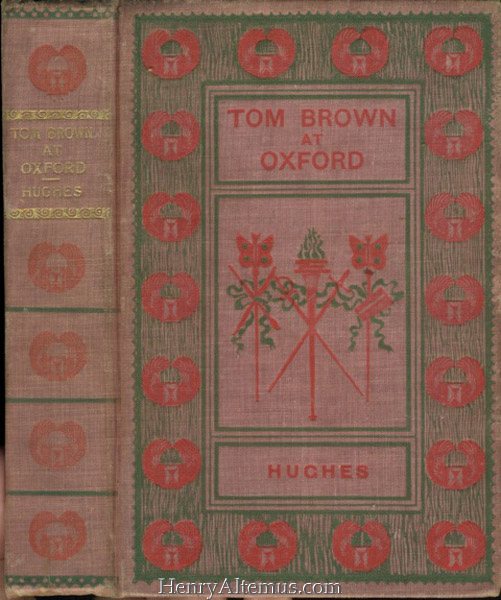
George Munro (1879)New York. George Munro and Company began in 1864. In
May1868 the name of the house was changed to George Munro.
It mainly published various series of dime novels. In 1893
Munro retired and the firm's name was changed to George
Munro's Sons. |
|
|
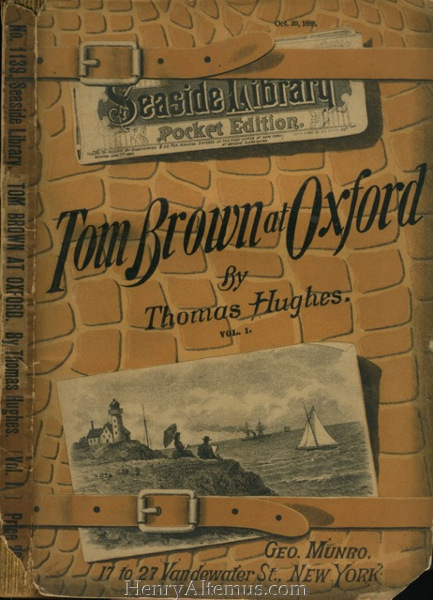
George Munro's Sons (1893-1906)New York. The George Munro's Sons was run by George
Munro's two sons (George W. and John) after Munro retired
from the publishing business in 1893. At that time the
firm changed its name from George Munro. The sons carried
on most of the previous series of cheap productions of
reprints and dime novels. |
|
|
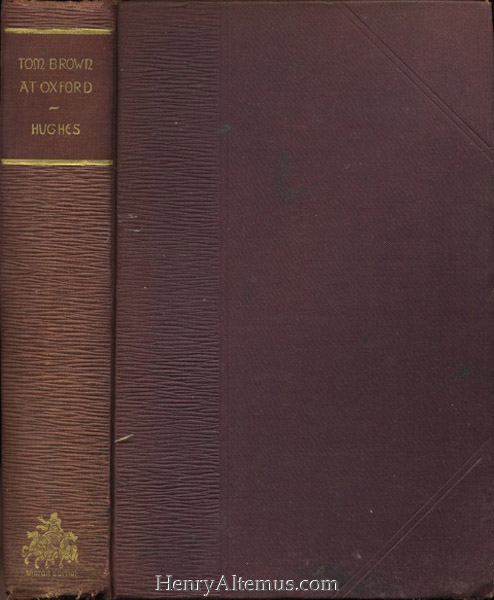
N. L. Munro (1877-1878)New York. |
F. Tennyson Neely (1898-1899)New York. |
|||
|
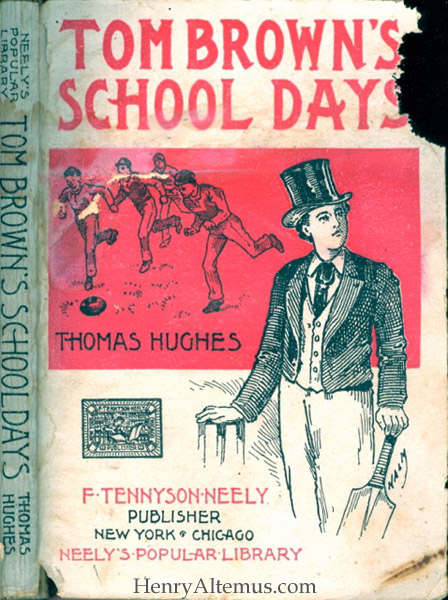
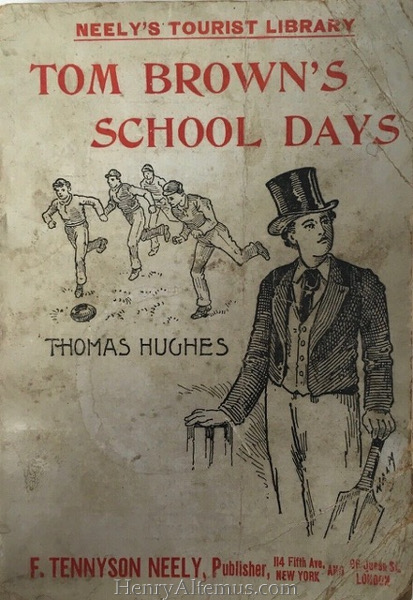
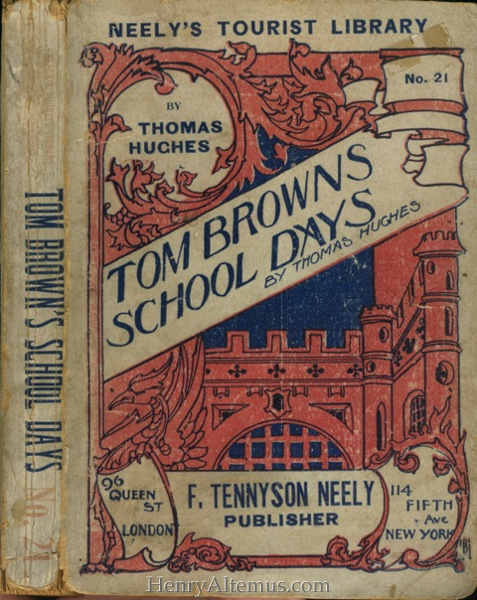
New York Publishing Company (1895)The New York Publishing Company printed both titles in
1895 as part of its Library Edition. These volumes were
also part of the Empire Edition. It is unclear whether the
Tom Brown books were included in any other of this
publisher's series. (Excelsior Edition or People's
Edition) |
||
|
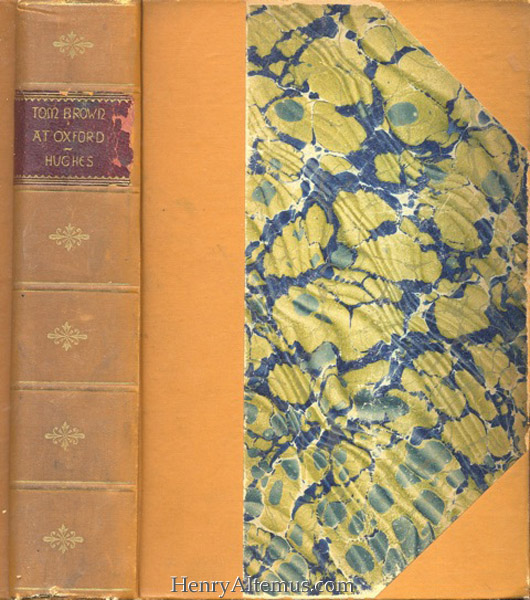
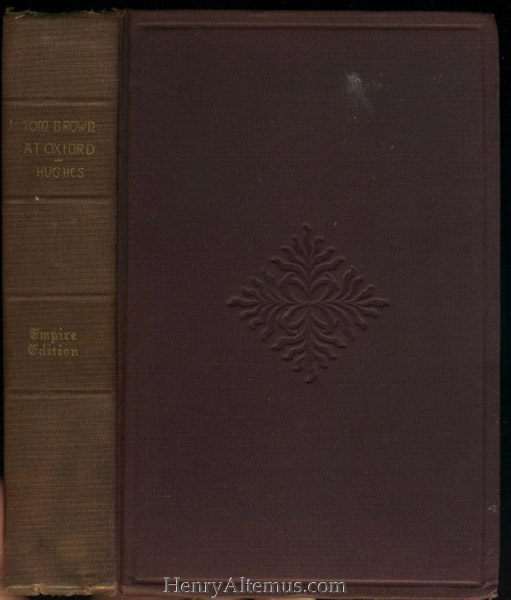
North American Publishing Company (1893)This company dissolved in 1895. |
|
|
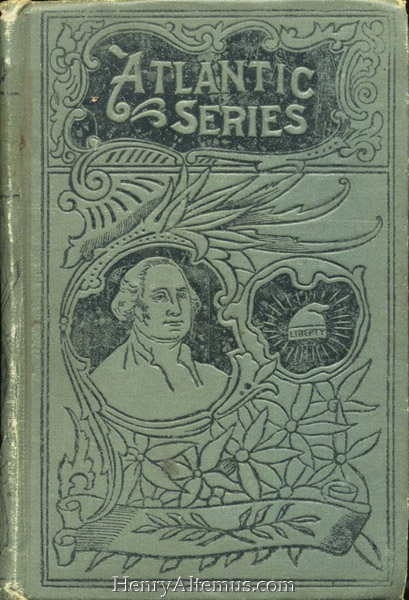
J. S. Ogilvie (1889)New York and Chicago. |
James R. Osgood and Company (1871-1878)Boston. James R. Osgood and Company published both titles between 1871 and 1878. It succeeded Fields, Osgood and Company in 1871. It was succeeded by Houghton, Osgood and Company in 1878. |
||||
|
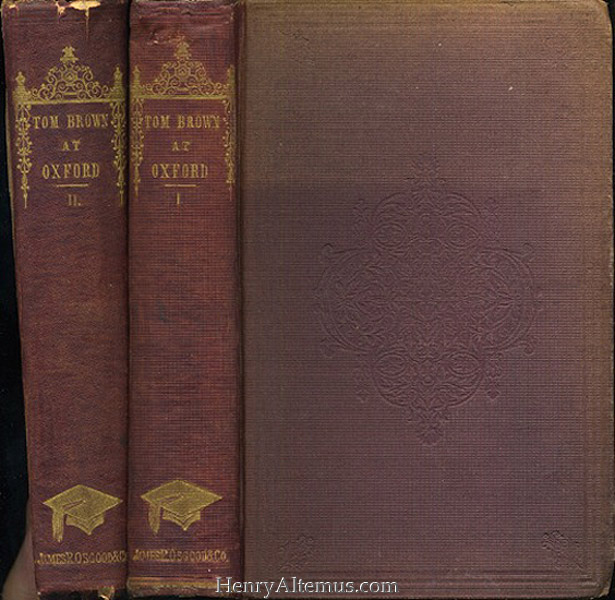
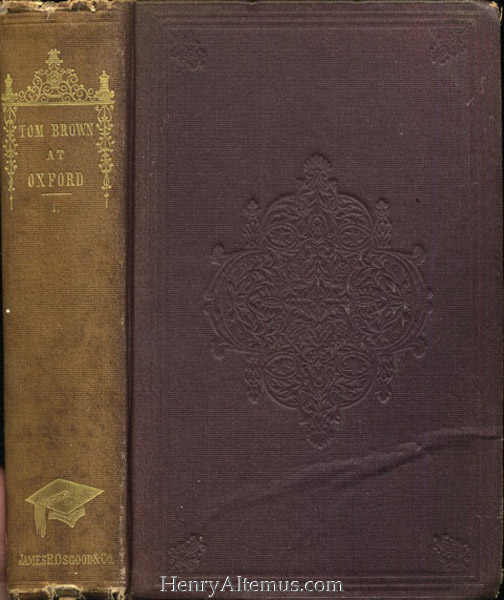
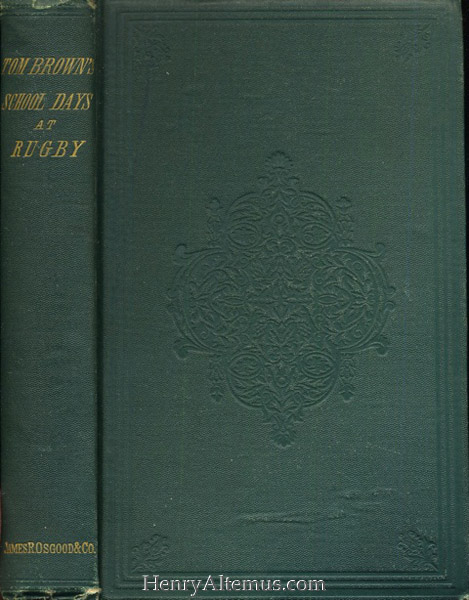
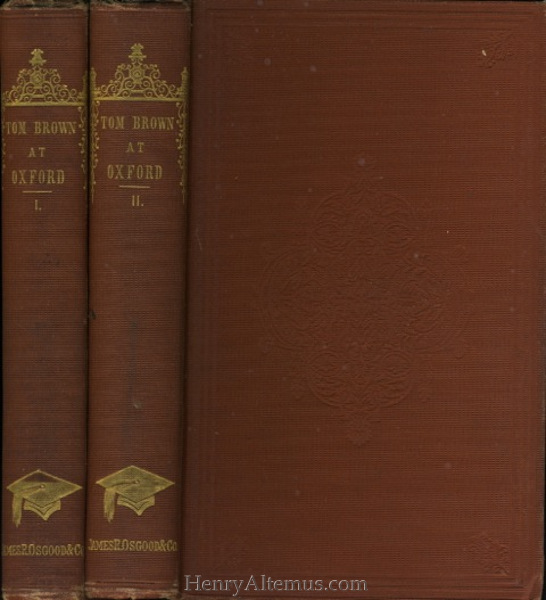
Isaac Pitman and Sons (1900)This New York publisher printed Tom Brown's School Days in 1900. This book has not been seen. |
Pollard and Moss (1889)This New York City firm was founded by Martha B.Pollard
and Charles Moss in 1879. Initially it was a subscription
book publishing business. It published numerous reprints
including several publisher's series, a set of Dickens and
a number of books with Gustave Dore illustrations. |
|
|
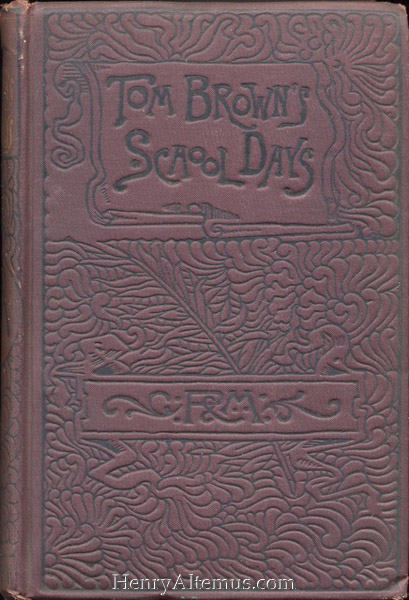
Porter and Coates (1867-1895)Porter and Coates was a Philadelphia publisher active
between1867 and 1895. It was the successor to Davis and
Porter (1848-1866) and Davis, Porter and Coates
(1866-1867) and the predecessor to Henry T. Coates
(1895-1904). |
||||||||||||||||||||
|
||||||||||||||||||||
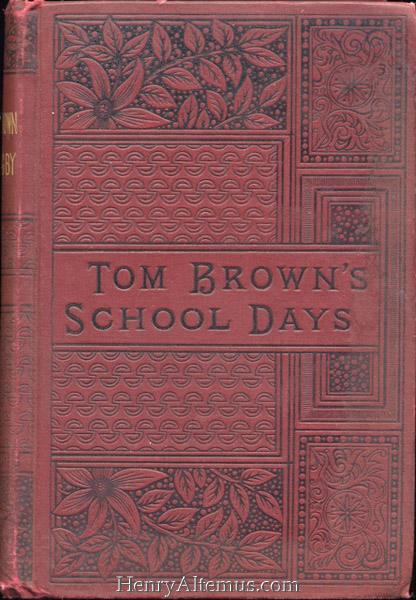
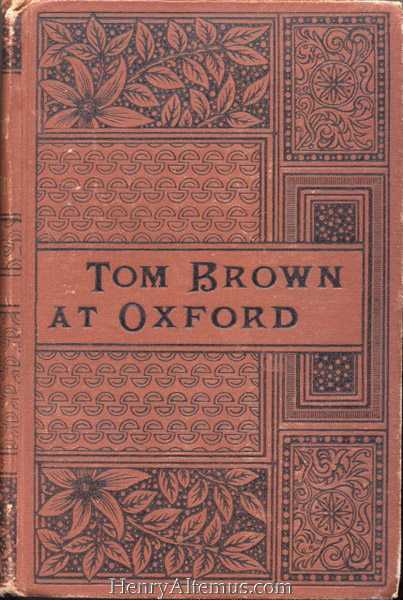
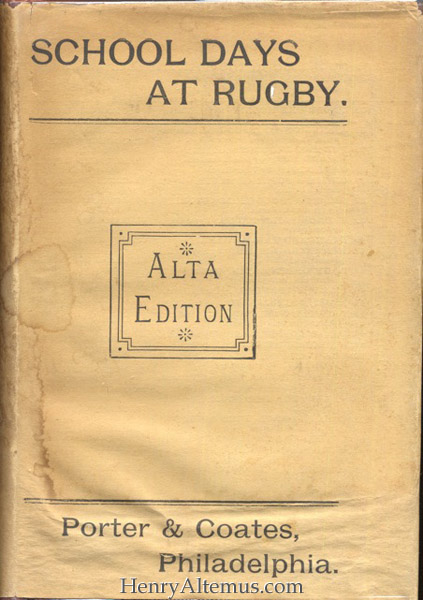
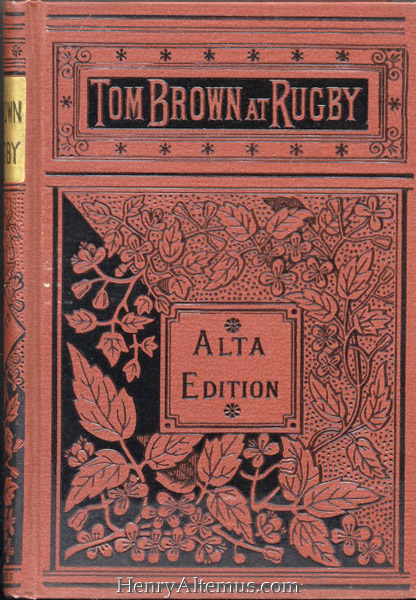
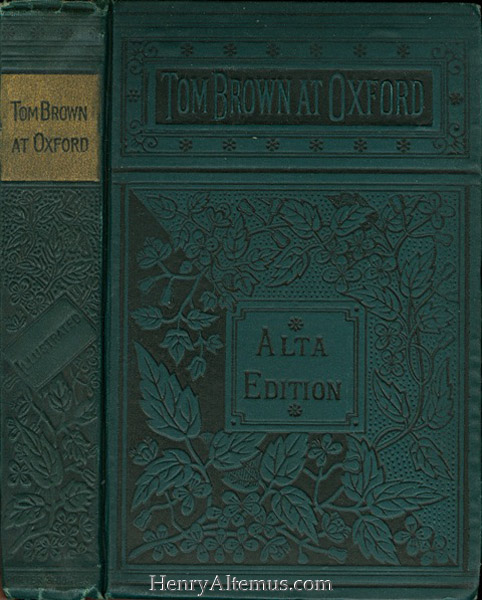
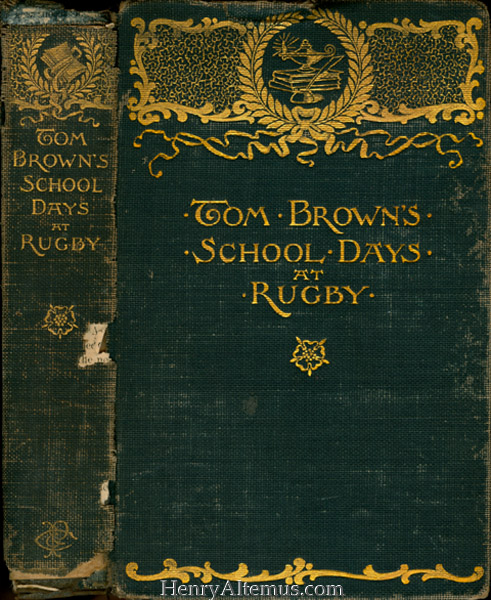
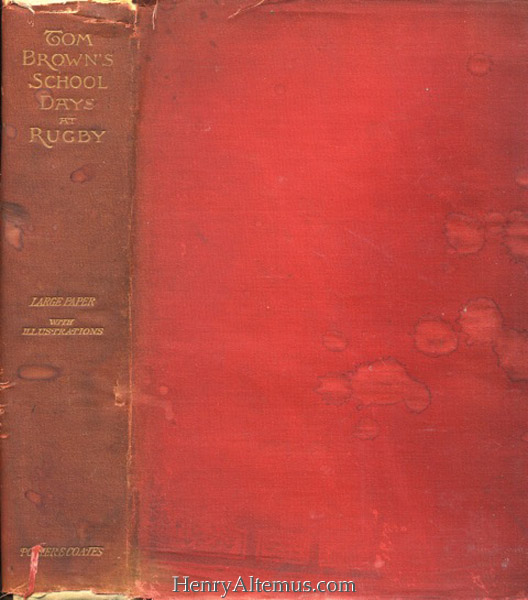
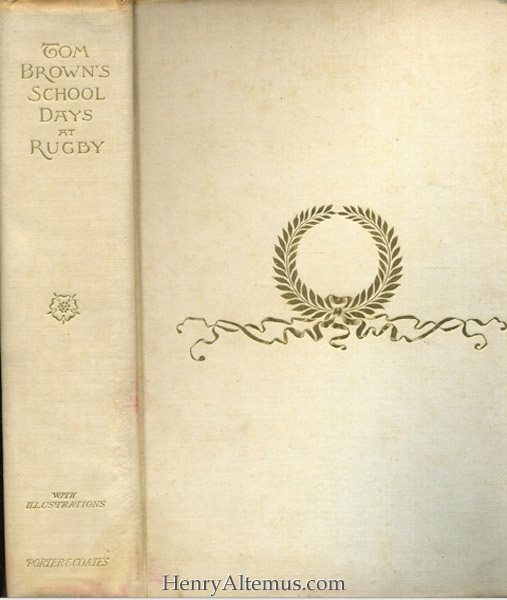
John E. Potter and Company (1883)Philadelphia. Potter published both titles in this 12 mos. format. |
|
|
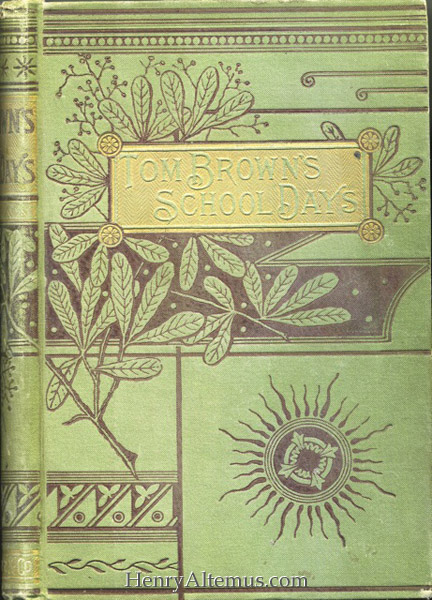
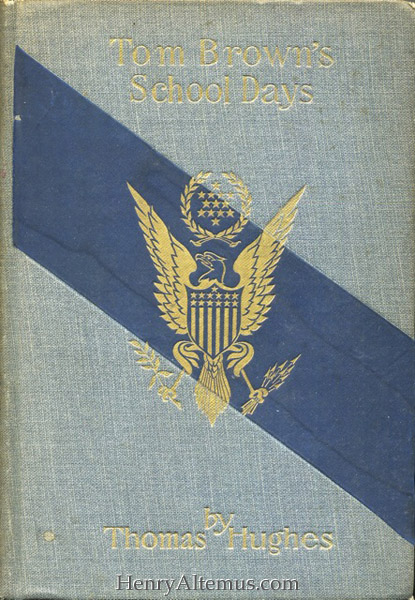
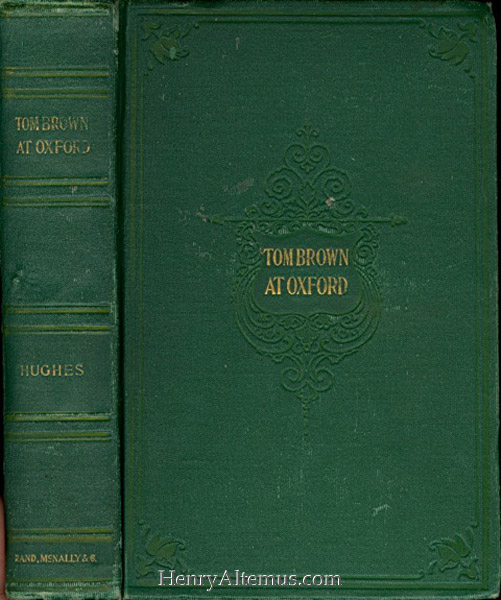
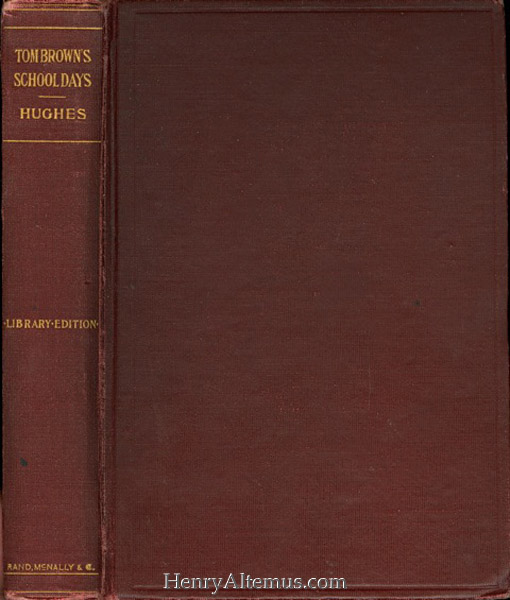
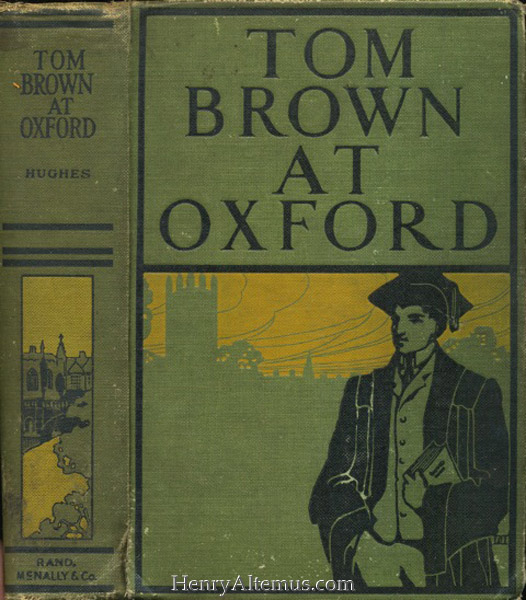
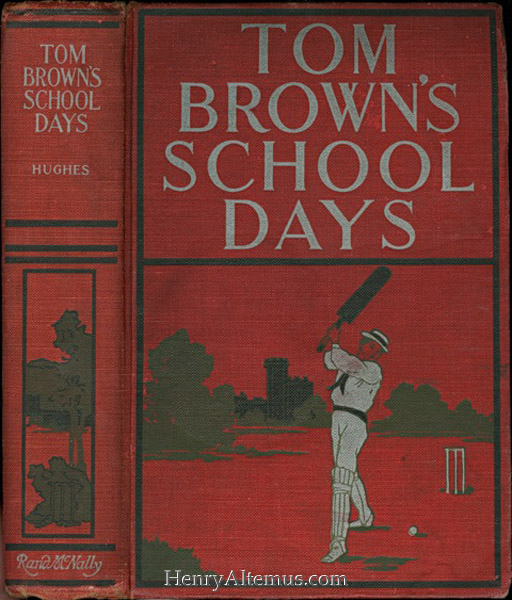
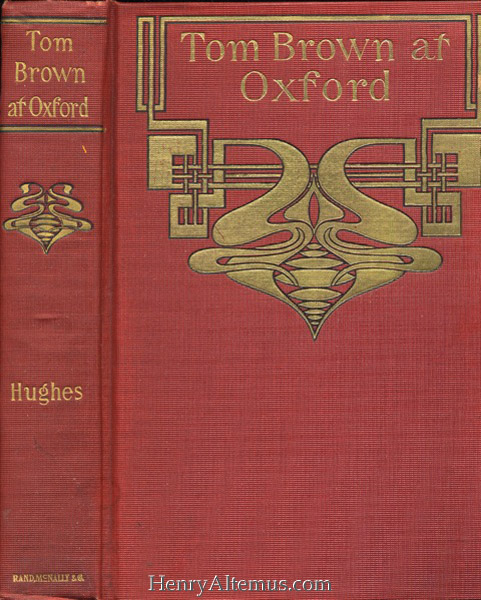
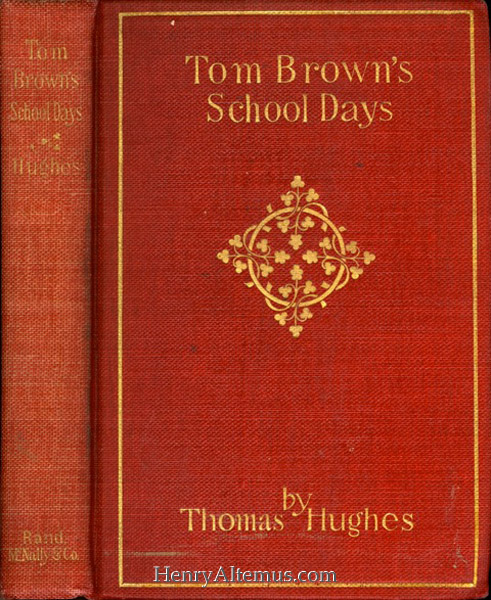
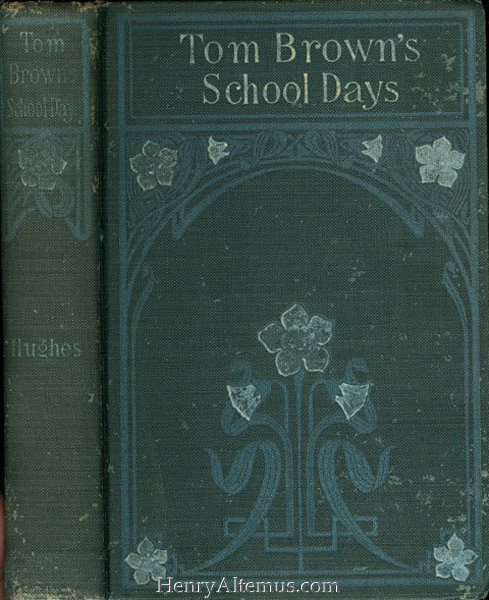
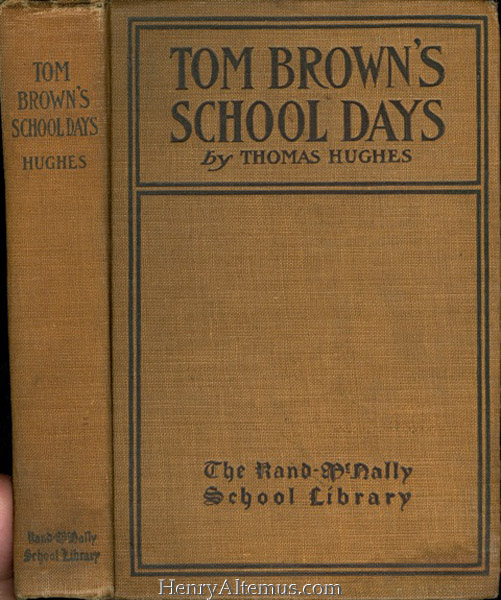
Rand, McNally and Company (Late 1890's)This Chicago publisher succeeded William H. Rand in
1873.Although best known as a map and atlas printer, it
published numerous fiction and non fiction books with the
fiction tales mainly being in series form. It is still
active today. |
||||||||||||||||||||||
|
||||||||||||||||||||||
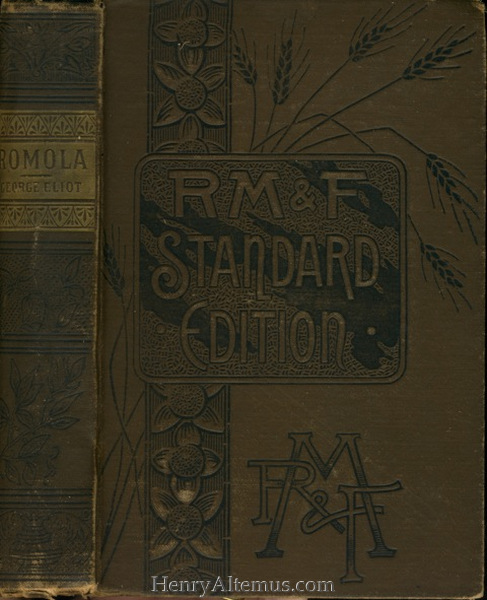
Reid, Murdoch and Fischer (1885-1886)Chicago |
|
Simon Reid and Thomas Murdoch opened their first store in
Dubuque, Iowa. This store was basically a dry goods
business with the idea of supplying western bound
settlers. They moved their establishment to Chicago in
1865 because it was such a major traveler hub. Their first
building burnt down in the Chicago fire of 1871.
Thereafter they relocated to another facility on the
corner of Lake and Market Streets. |
Ross Publishing House (1887-1888)Albany, New York |
School Library Association (1890)I do not have any significant information about this publisher. It printed a number of reprints in and around the 1890 time frame. A Hurst and Company title page has been seen with this publisher's name on the spine. The meaning of this is unclear. |
|
|
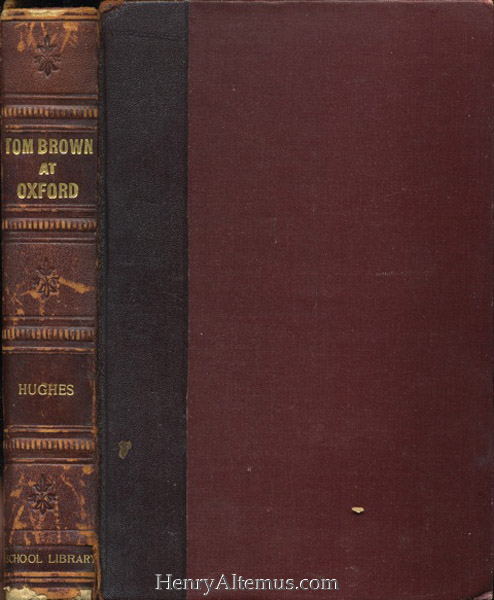
Stitt Publishing Company (1905)New York. Stitt published its list only in 1905 after
succeeding Mershon. |
|
|
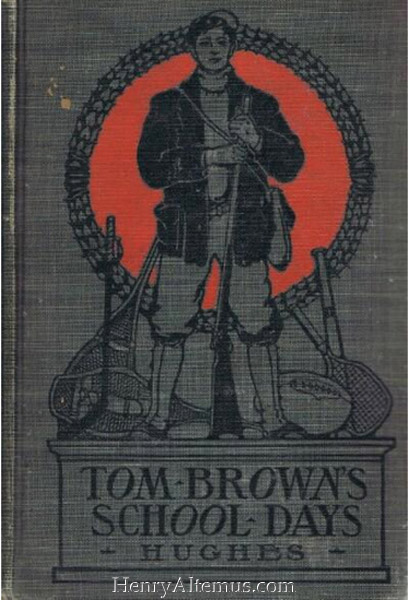
Frederick A. Stokes and Brother (1887-1890)Frederick A. Stokes and Brother published Tom Brown
School-Days as part of its Handy Volume Series. This was
in the mid 1880's. Another format by this publisher was
done as part of the Popular Twelve mo Classics Series. |
Street and Smith |
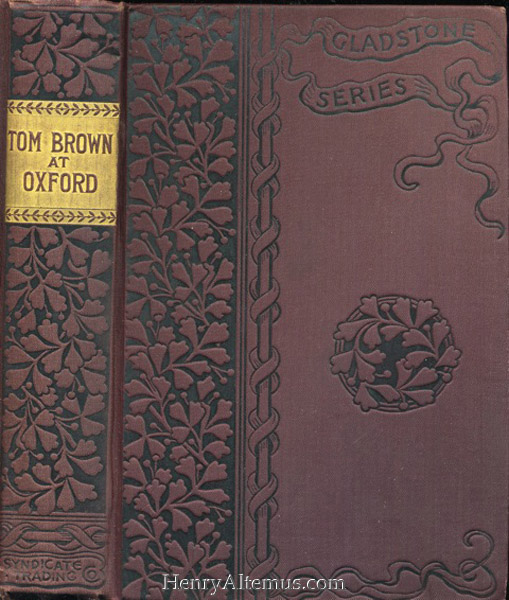
Syndicate Trading Company (1880's)Syndicate Trading Company printed a publisher's series
called the Gladstone Series of which Tom Brown at Oxford
was included. I do not know if School Days was also in
this series. |
|
|
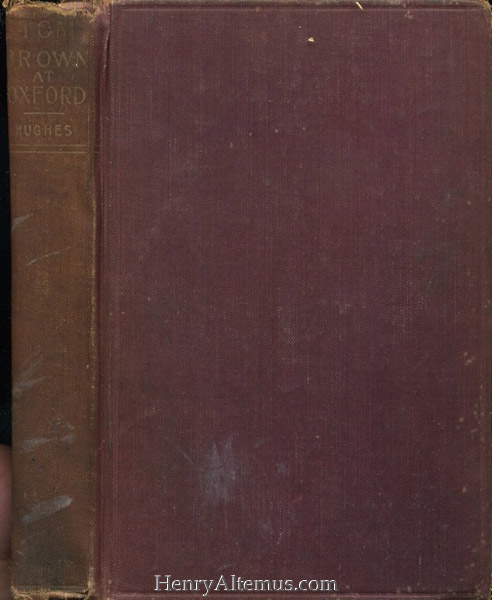
Thompson & Thomas (late 1890's)Thompson and Thomas published both Tom Brown books at the
turn of the century. |
|
|
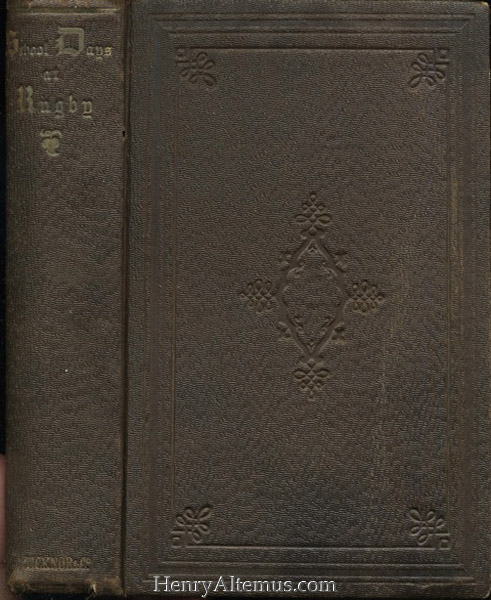
Ticknor and Fields (1857-1869)Boston. Ticknor and Fields was the first American
publisher of Tom Brown's School Days at Rugby. |
||||||||||||||||||||||||||||||||||||
|
||||||||||||||||||||||||||||||||||||
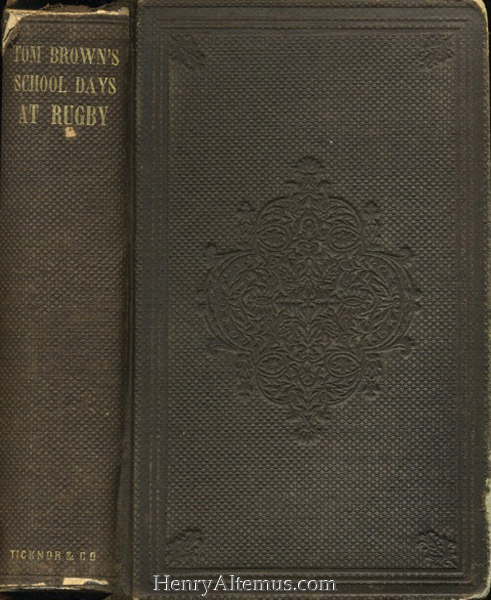
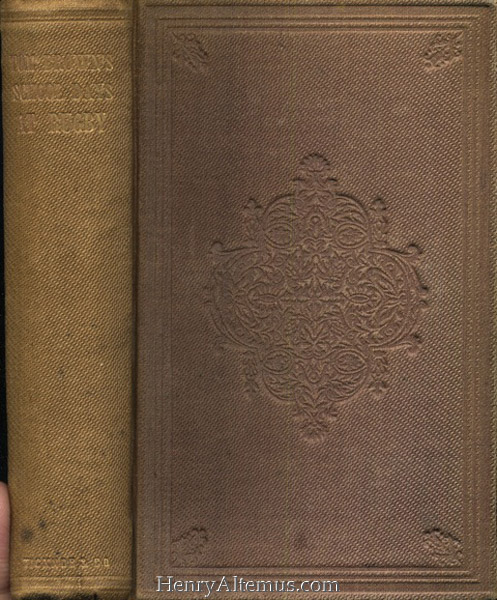
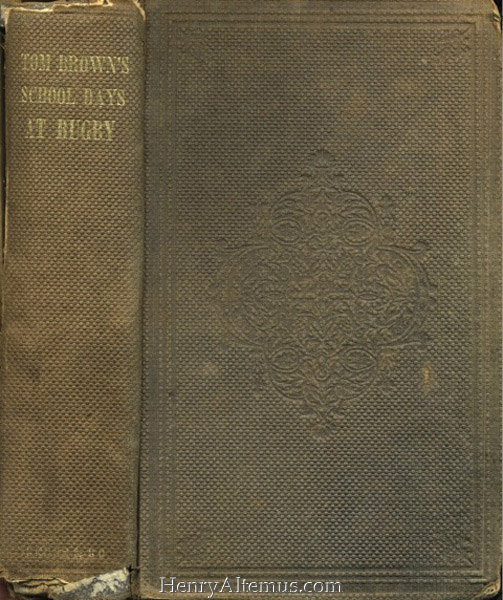
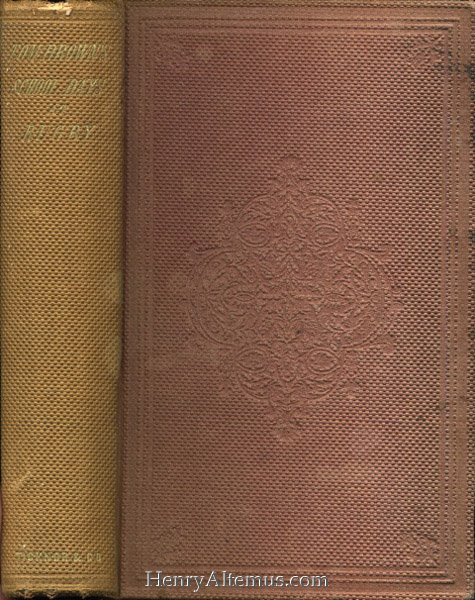
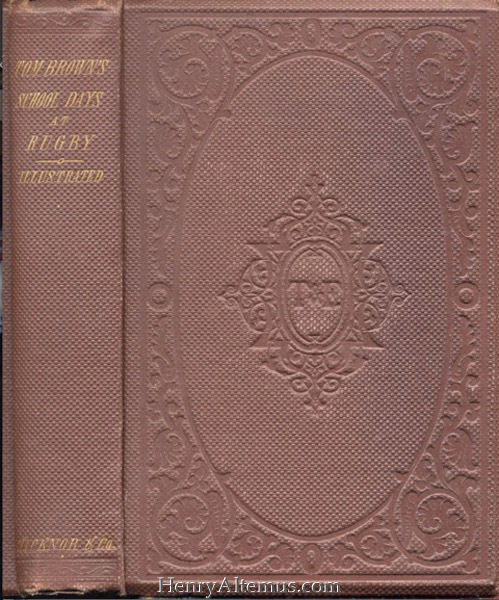
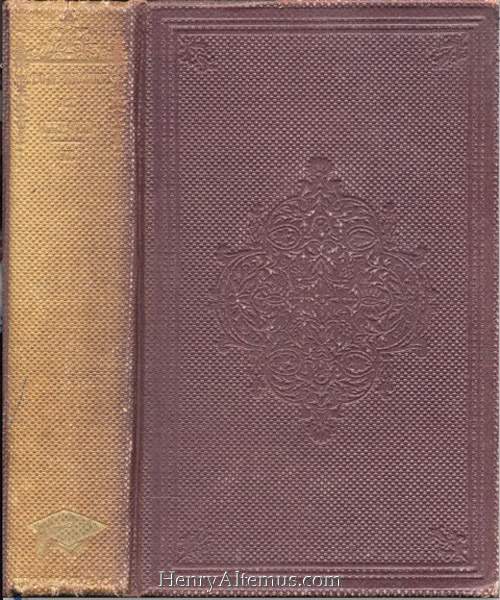
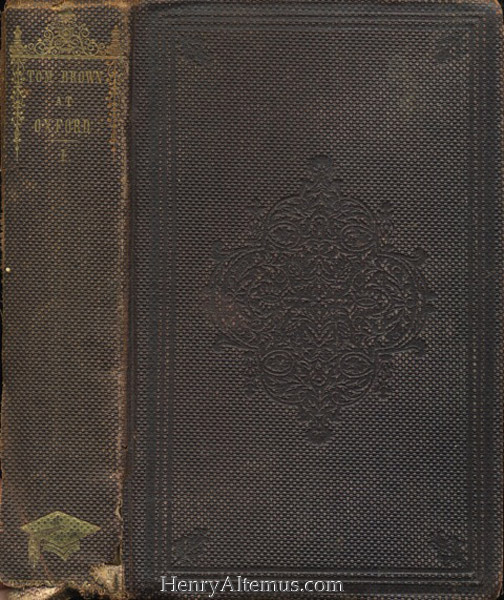
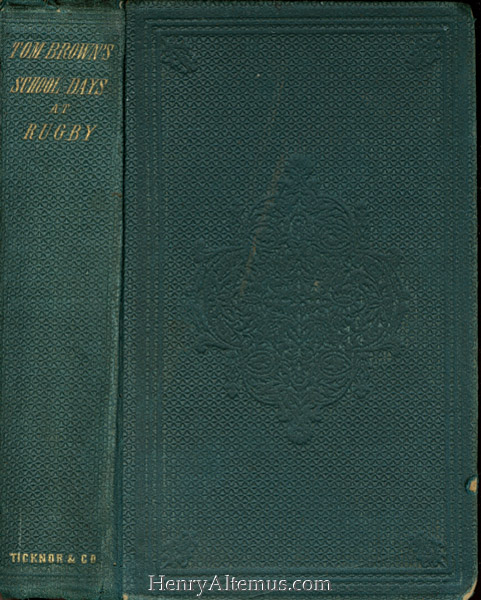
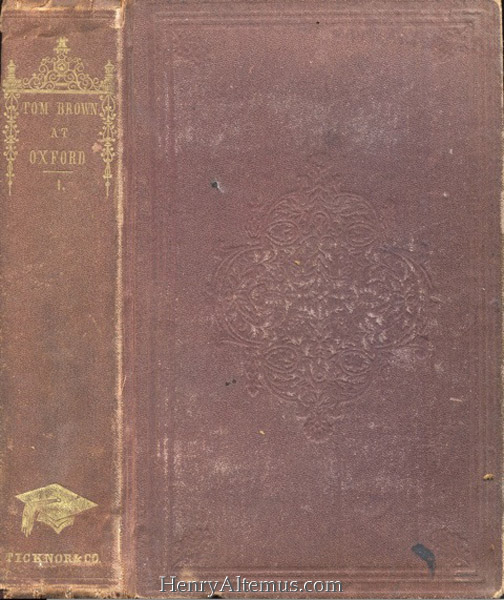
Trade Publishing Co.New York. The title page has the same border that the
Stitt Publishing Company used during 1905- its only year
of publication. Thus it is reasonable to assume that this
company published this book after that. In 1908 The Trade
Publishing Company incorporated in Rahway, New Jersey "to
do a general printing, publishing and stationery
business". Of interest is that this is where the Mershon
Publishing Company was headquartered. Mershon succeeded
Stitt in 1906. Books with Mershon on the spine and the
Trade Publishing Company as the imprint on the title page
have been noted. |
|
|
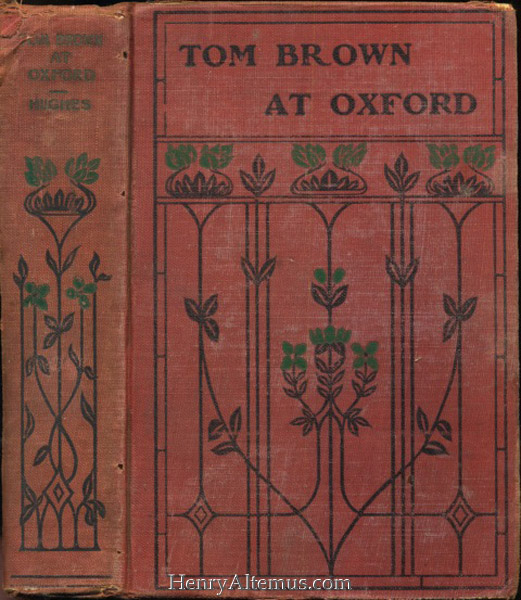
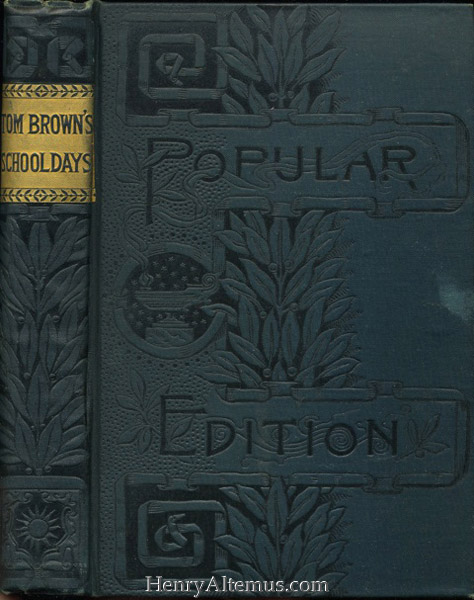
Universal Publishing Company (Late 1880's-1890's)New York. |
|
|
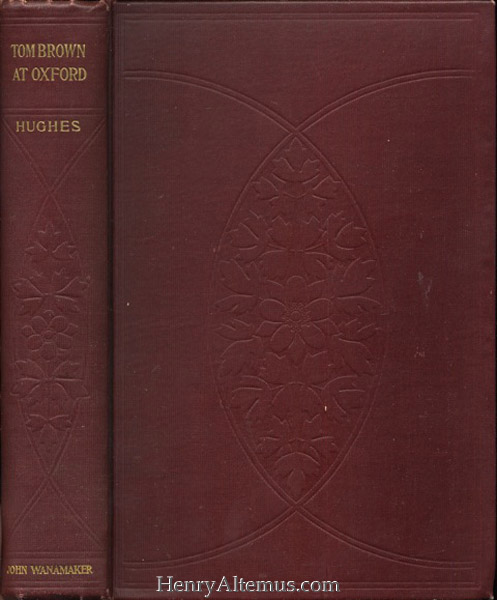
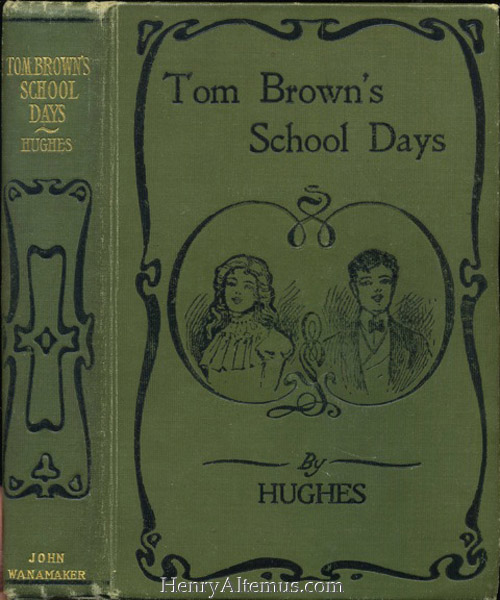
John Wanamaker (1897)Philadelphia and New York. |
||
|
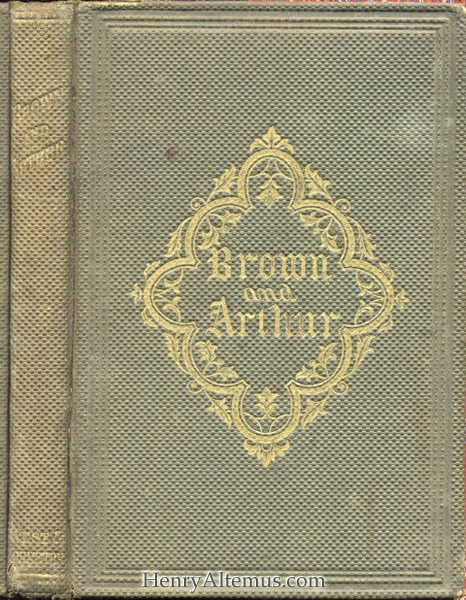
West & Johnston (1861)In 1861 West and Johnston, a Richmond, Virginia publishing house, produced "Brown and Arthur". This book is basically a copy of the second part of School Days at Rugby. Here and there a few words are changed but it is otherwise word for word. It was "Arranged for the Press by a Mother". The introduction makes the publisher's religious slant on things obvious: "the school-room, the study, and the playground, would be made scenes of healthy christian feeling and activity". This book is quite uncommon. |
|
|
White, Stokes and Allen (1883-1887)New York. White, Stokes and Allen (1883-1887) was
succeeded by Frederick A. Stokes and Brother in 1887. |
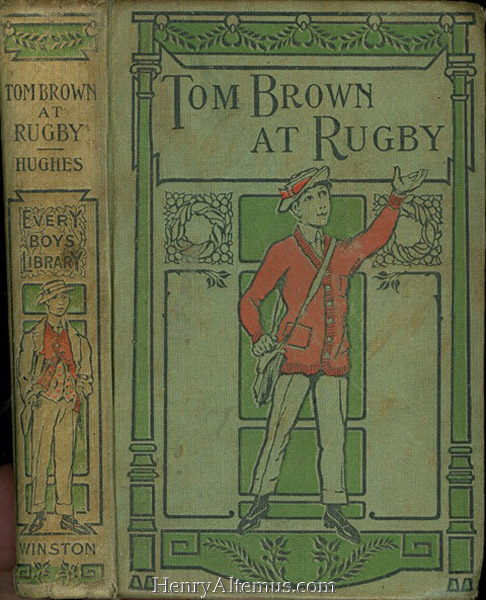
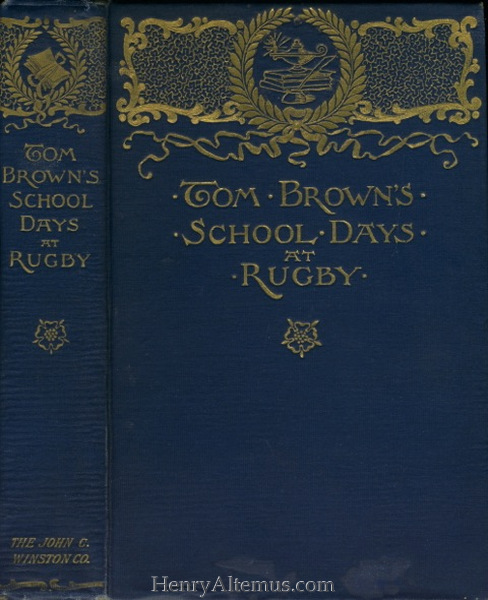
John C. Winston Company (1905)Philadelphia. Winston founded his company in 1884. It
wasprimarily a publisher of Bibles until it bought the
stock of Henry T. Coates and Company in 1904. This
instantly made Winston a major publisher of juveniles. One
year later it bought the stock of William Collins Company,
a major publisher of religious materials. In later years
Winston became a major publisher of textbooks. Winston
died in 1920. |
|||
|
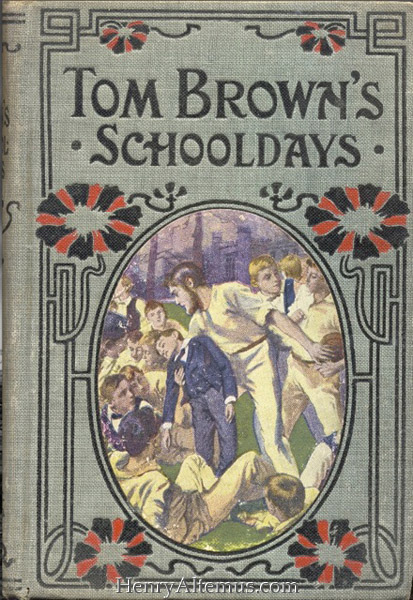
The World Syndicate Publishing Co., Cleveland, New YorkIn 1928 the Commercial Bookbinding Co. bought out the
World Syndicate Publishing Co. and in 1940 changed its
name to the World Publishing Co. |
||
|
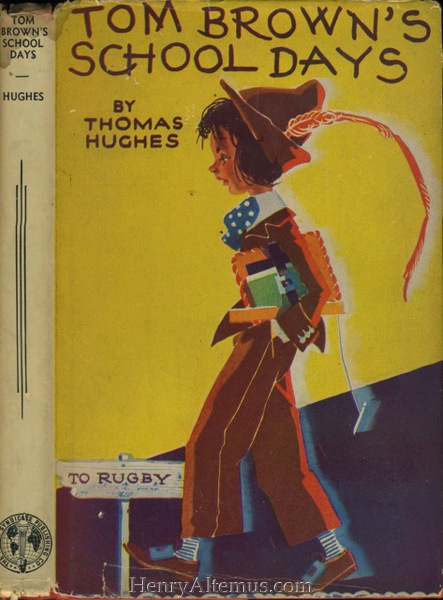
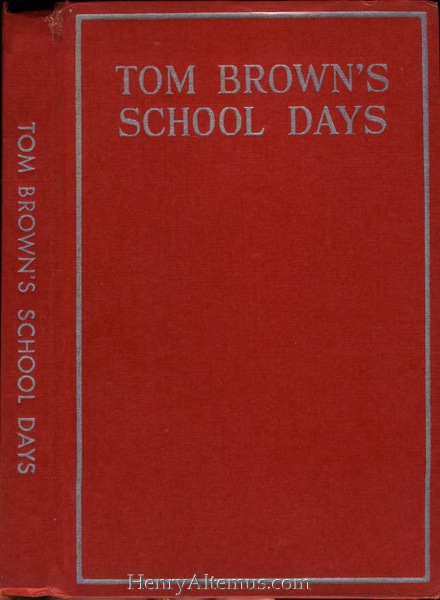
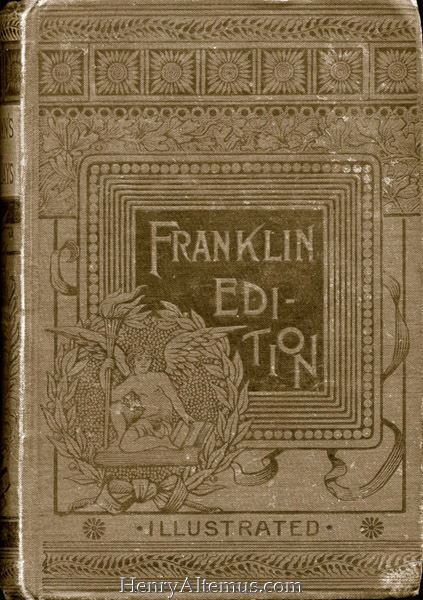
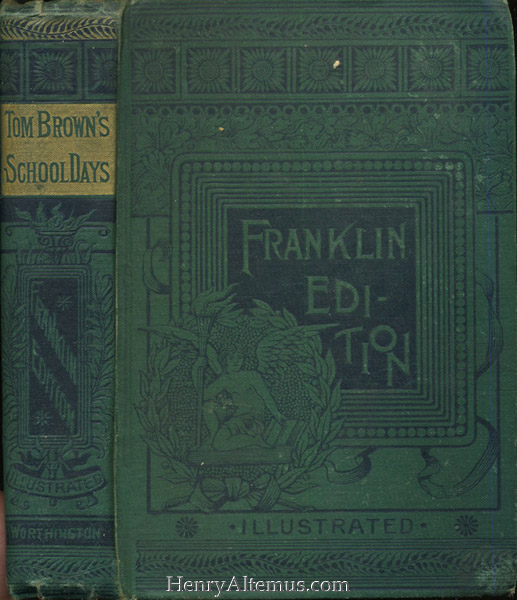
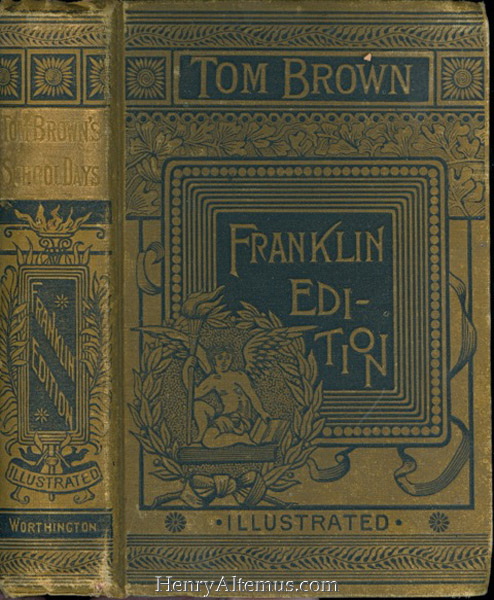
R. Worthington (1874-1893)In 1874 after publishing in Montreal and Boston R. W.
Worthington founded his New York house. His first New York
company was styled in 1874 as R. Worthington and Company.
Worthington struggled with financial difficulties
throughout its life. Early on it printed more elegantly
bound books whereas later by the mid 1880's cheaper books
were the mainstay. Numerous publisher's series comprised
the booklist. |
||||||||||
|
||||||||||